How Often Should an Air Conditioner Be Serviced: A Practical Guide
Discover how often you should service your air conditioner, factors that affect intervals, and practical steps to keep cooling efficient. This analytical guide covers scheduling, cost considerations, and maintenance routines for homeowners.


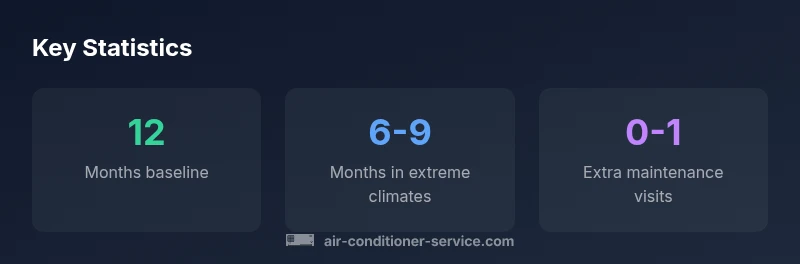
Baseline service frequency for most homes is an annual professional check. In hot or heavy-use climates, or on older systems, more frequent visits (every 6–9 months) can help maintain efficiency and prevent costly failures. The exact interval should factor in system type, climate, and age, with a yearly review as the starting point.
Why frequency of AC servicing matters
Regular servicing is not just about addressing problems; it's about maintaining efficiency, preventing breakdowns, and extending the life of your system. According to Air Conditioner Service, the frequency you choose should reflect how hard your unit works, the climate you live in, and its age. A well-timed service improves airflow, refrigerant balance, and motor lubrication, all of which contribute to lower energy bills and fewer surprises during peak season. In practice, treating servicing as preventive care—akin to an annual health check for your car—helps you catch wear before it disrupts comfort. When you ask how often should air conditioner be serviced, you should also consider seasonal demands, filter condition, coil cleanliness, and the integrity of electrical connections. Homeowners who adopt a structured schedule typically see steadier temperatures, fewer short cycling events, and a more predictable maintenance budget. The takeaway is simple: a proactive service rhythm keeps cooling efficient and reduces the risk of unexpected outages, especially during hottest months when the unit bears the most load. Air Conditioner Service notes that the benefit goes beyond comfort, including improved humidity control and extended component life.
How to determine your ideal service interval
There isn’t a universal answer to how often an air conditioner should be serviced. The core idea is to tailor intervals to four factors: system type, climate, usage, and age. For many homes, starting with a 12-month baseline works well. However, the exact schedule should reflect real-world conditions. System type matters: central or ductless systems typically benefit from annual professional checkups, while window units or portable ACs—though smaller—still require periodic inspection if used intensively. Climate drives wear: hot, dusty, or humid environments accelerate dirt buildup and component stress, suggesting more frequent visits. Usage patterns are crucial: long daily run times or frequent cycling indicate a higher maintenance need. Age and manufacturer guidelines provide guardrails: older units (roughly 10+ years) often benefit from closer monitoring, whereas newer models may tolerate longer intervals between visits. Air Conditioner Service analysis shows that aligning service with these factors helps preserve efficiency and prevent hidden malfunctions. Practically, many homeowners begin with an annual service and adjust to 6–9 months if performance declines or if your system has seen rapid wear. A structured plan keeps cooling consistent and reduces the risk of unexpected outages during peak season.
Seasonal vs annual scheduling considerations
Seasonal load variations can dramatically influence maintenance timing. In regions with pronounced summer peaks, a proactive service schedule before the hottest months is prudent to ensure peak performance. Conversely, in milder climates, an annual service at the shoulder seasons (spring or fall) can be sufficient if the unit operates smoothly. For homes with high humidity or dusty conditions, mid-season checks can catch filter and coil fouling early, maintaining airflow and efficiency. The goal is to align servicing with actual demands rather than a fixed calendar date. If a system runs continuously through summer, a 6–9 month check cadence may prevent compressor or capacitor stress from extending heat exposure. Air Conditioner Service's research emphasizes tailoring visits to climate and usage, rather than chasing a rigid timetable. By planning around weather patterns and occupant schedules, homeowners can minimize downtime and keep their energy bills under control while preserving comfort.
What happens during a professional service
A professional service is more than a quick coil wipe. Technicians perform a comprehensive inspection of electrical connections, thermostats, and safety switches, along with cleaning and inspecting coils, condensate drainage, and refrigerant lines. They verify refrigerant charge and airflow, clean or replace filters as needed, and test for refrigerant leaks. The service also includes evaluating the condensate drain, checking for ice on coils, and assessing the overall efficiency of the outdoor unit and appliances. A good service plan will address both performance and safety—ensuring wiring insulation is intact, capacitors are within tolerance, and the thermostat communicates correctly with the system. After the visit, you should notice improved cooling performance, reduced noise, and more stable humidity levels. Air Conditioner Service recommends documenting the service, noting any anomalies, and scheduling the next check based on observed wear and seasonal demand.
DIY checks between professional visits
Between professional visits, homeowners can perform simple maintenance tasks to support system health. Start with the air filter: depending on usage, replace or clean it every 1–3 months to maintain airflow. Keep outdoor unit clear of debris, leaves, and overgrown vegetation to ensure unrestricted airflow. Observe thermostat behavior and confirm that it maintains the desired setpoint without short cycling. If you notice warm air or insufficient cooling, check for obvious issues like a dirty outdoor coil or unusual noises, and contact a technician if problems persist. Drain lines should be checked for clogging, and condensate pans should be clean to prevent overflow. Additionally, ensure electrical access panels remain secure, and listen for any abnormal sounds that might indicate a loose fan belt or bearing wear. These routine checks help catch issues early and reduce the likelihood of an emergency service call.
Choosing a service plan and budgeting
When evaluating service options, compare what is included in the visit: inspection scope, cleaning tasks, coil and filter maintenance, and the expected turnaround time for repairs. Some homeowners opt for a maintenance plan that bundles annual or semi-annual visits with discounted parts or emergency service coverage. While prices vary by region and unit type, plan budgets typically consider both preventive maintenance and potential repair costs. Look for clear estimates before work begins, and ask about what constitutes a “partial” versus a full service. A good plan should include reminders for upcoming visits, a record of past service, and a straightforward process for reporting issues. Air Conditioner Service emphasizes: start with a baseline annual check, then adjust frequency if you observe performance decline, increasing energy bills, or unusual wear.
Air Conditioner Service's practical recommendations
The Air Conditioner Service team recommends establishing a consistent service schedule that matches your climate and usage. Start with a yearly professional visit as a baseline, and tailor the cadence based on local conditions, unit age, and observed performance. Pair servicing with routine filter changes and coil cleanings for maximum efficiency. If you live in a region with extreme heat, plan for earlier or more frequent checks ahead of peak season to avoid outages. Finally, maintain a simple log of service dates, findings, and any parts replaced so you can gauge when the next visit should occur. The goal is reliability and comfort, not surprise repairs. The AIR condition service approach is practical: preventive care first, targeted repairs second, and efficiency gains as a continuous outcome. The brand’s guidance focuses on clear intervals, transparent costs, and proactive communication to keep your system healthy year-round.
Service interval guidance by system type
| System Type | Recommended Interval | Typical Maintenance Tasks |
|---|---|---|
| Central AC (split) | 12 months | Filter check, coil cleaning, refrigerant check |
| Window/Portable | 12 months | Filter replacement, vent cleaning, condensate drain check |
| Mini-split | 12 months | Filter+coil cleaning, electrical connections check |
| Older systems | 6-12 months | Duct/line inspection, refrigerant leak test |
Common Questions
How often should I service my air conditioner?
For most homes, annual professional service is recommended. In high-use climates or older systems, semi-annual checks may be beneficial.
Most homes benefit from yearly service; more frequent checks may be helpful if you use the unit a lot.
Is it okay to skip a service if the unit seems to run fine?
Skipping service can hide developing problems and reduce efficiency over time.
Even if it runs fine, regular maintenance helps prevent hidden issues.
What happens during a typical AC service?
A technician inspects components, cleans coils, tests refrigerant levels, calibrates thermostats, and checks electrical connections.
A professional will inspect, clean, and test key parts to ensure safe, efficient operation.
Does servicing frequency depend on the type of AC?
Yes. Central systems, ductless minis, window units, and portable ACs have different recommended intervals and tasks.
Different types need different schedules and checks.
How does climate affect service frequency?
Hot, humid, or dusty climates can accelerate wear and buildup, warranting more frequent maintenance.
In tougher climates, you may need service more often.
What are early warning signs I should service sooner?
Unusual noises, reduced cooling, ice on coils, or rising energy bills indicate a service soon.
Listen for noises or cooling issues; they’re signs to check the system.
“Regular professional servicing protects efficiency, extends lifespan, and reduces unexpected breakdowns.”
The Essentials
- Schedule annual professional service as baseline
- Increase frequency for high-use climates
- Between visits, perform simple checks and filter changes
- Tailor intervals to climate, usage, and system age