How to Maintain an Air Conditioner: A Practical Guide
Learn practical, step-by-step tips to maintain your air conditioner. From filters to coils, we cover seasonal routines and safety to keep cooling costs down and comfort up.


You will learn how to maintain your air conditioner to improve efficiency, extend life, and prevent breakdowns. This guide covers routine checks, cleaning, filter care, coil maintenance, refrigerant safety, and when to call a pro. Gather basic tools, set a maintenance schedule, and follow clear step-by-step instructions for best results at home.
What maintenance is and why it matters
Maintenance for your air conditioner means performing a series of checks and light tasks that keep the system clean, efficient, and reliable. When you stay on top of routine care, you reduce energy waste, minimize the chance of mid‑season breakdowns, and prolong the life of critical components like the compressor and fan. According to Air Conditioner Service, regular maintenance helps homeowners save energy, prolong equipment life, and maintain indoor comfort. A well-kept system runs more efficiently, costs less to operate, and responds more quickly to temperature changes. This article explains what to do, why each task matters, and how to build a practical routine that fits a busy home schedule. You’ll learn which tasks to perform monthly, seasonally, and annually, and how to balance DIY steps with professional service when needed.
Why maintenance saves money and improves air quality
When you maintain your AC, you improve energy efficiency, reduce unnecessary wear, and often reduce indoor air quality issues. Air Conditioner Service analysis shows that systems with regular upkeep operate more efficiently and experience fewer unplanned service calls. Keeping filters clean helps reduce particulate buildup in the ductwork, preserving airflow and reducing the workload on the blower motor. A simple monthly check can catch problems early, such as a clogged filter, ice on the evaporator coil, or reduced airflow, each of which can degrade cooling performance. The earlier you catch these signs, the less expensive the fix. The goal is a comfortable home with steady cooling and minimal noise, not a surprise mid-summer outage. In the sections that follow, you’ll find a practical routine that balances do-it-yourself tasks with professional inspections when required.
Tools and safety you’ll need before you begin
Before you touch any parts of the system, gather the essential tools and observe basic safety. You’ll want a clean workspace, protective gloves, and a few common hand tools. Have a flashlight for dim corners and a vacuum with a brush attachment to remove dust from fins and coils. Keep a spray bottle with mild soap solution for cleaning, a soft brush, and a coil-safe cleaner if you plan to wash fins. Replace filters for your system type, and have spare fuses or a screwdriver set for minor electrical checks. Finally, refer to your unit’s manual for any model-specific cautions. Safety first: if you’re unsure about accessing the outdoor disconnect or refrigerant lines, skip the DIY steps and call a professional.
Step-by-step overview to monthly and seasonal maintenance
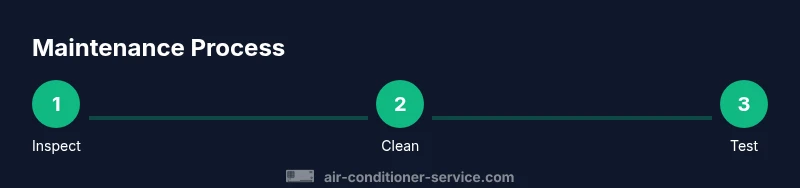
This section outlines the overarching plan you’ll follow during a maintenance session. Start by powering down the system and preparing the workspace (see Step 1). Then perform filter maintenance, coil cleaning, condensate drain checks, and safety inspections in logical order. Use this sequence to minimize rework and ensure nothing is overlooked. Keep a notebook or digital log to record what you did and any observations. Finally, schedule the next maintenance window so the routine becomes a habit.
Cleaning and filter care
Filters are the lungs of your AC system; dirty filters restrict airflow and force the system to work harder. Check the return-air filter monthly; replace disposable filters as recommended by the manufacturer, or clean reusable ones according to their instructions. When you replace a disposable filter, note the size and replacement date in your maintenance log. Gently vacuum dust from the supply vents, and wipe accessible ductwork surfaces with a microfiber cloth. Avoid harsh chemicals near electrical components. Keep the area around the indoor and outdoor units free of debris to prevent obstruction.
Inspecting coils and airflow
Evaporator coils inside the air handler can collect dust and grime, reducing heat transfer. Condenser coils outdoors shed dirt too, especially in dusty environments. Use a soft brush to remove surface dirt and rinse with a garden hose from the inside out, taking care not to bend fins. If you have access to a coil cleaner designed for residential use, apply it per label directions and rinse thoroughly. Ensure airflow isn’t blocked by nearby vegetation and that the fins are straight. A clean coil improves efficiency and reduces energy use.
Drainage, condensate, and moisture management
Moisture that doesn’t drain properly can cause water damage and mold growth. Inspect the condensate pan for cracks and clear the drain line of any clogs. If the line is accessible, you can use a wet/dry vacuum to remove blockages or flush with a mild cleaner following the product directions. Check that the line terminates outdoors with a clear path and that the area below the unit is dry. This simple check helps prevent overflow and protects your home.
Electrical checks and safety devices
While some electrical checks are within DIY scope, avoid touching live wires beyond the basics. Look for loose terminals, wiring protectors, and damaged insulation. If you see scorch marks, buzzing sounds, or smells of burning, shut off power and call a licensed technician. Validate that the outdoor disconnect is accessible and the service panel is clear. If your thermostat is programmable, verify it communicates correctly with the indoor blower.
Thermostat settings and airflow optimization
Programming your thermostat to cycle efficiently can save energy. Confirm the thermostat is set to cooling mode, with a comfortable temperature differential and minimal fan runs. If you have a smart thermostat, review health reports and adjust scheduling to reduce unnecessary cooling during absences. Ensuring proper airflow from registers helps cooling reach every room.
Troubleshooting common issues before calling a pro
Common DIY symptoms include reduced cooling, warm air, or unusual noises. Start with simple checks, such as a dirty filter, blocked outdoor unit, or thermostat miscalibration. If you notice ice on the evaporator coil or refrigerant odor, turn off the system and contact a professional. Document any error codes or blinking lights on the control board.
Creating a maintenance schedule that works
Set a monthly reminder to inspect filters, coils, and ducts. Schedule a seasonal pre‑summer check with a licensed technician, and plan an annual professional inspection. Use a simple checklist or a mobile note to track each task and date. A consistent routine reduces the risk of unexpected breakdowns and keeps energy bills steady.
Final thoughts and best practices
Maintenance is an ongoing responsibility, not a one‑time event. Prioritize safety, follow manufacturer guidance, and avoid attempting refrigerant handling. A well‑planned routine helps you stay cooler, save energy, and extend equipment life. By combining home upkeep with professional care, you protect your investment and enjoy reliable comfort for years to come.
Tools & Materials
- Owner's manual for your AC unit(Keep for model-specific guidance and safety warnings)
- Microfiber cloth(For wiping surfaces and ducts)
- Soft brush and vacuum with brush attachment(Cleans dust from coils and fins)
- Non-abrasive coil cleaner (optional)(Follow label directions; avoid metal parts)
- Mild detergent spray or solution(For cleaning exterior surfaces and grills)
- Replacement disposable air filters(Buy by your system's size; refer to manual)
- Reusable air filters (if applicable)(Have a cleaning plan and replacement schedule)
- Screwdriver set (Phillips and flathead)(For opening panels and securing hardware)
- Non-contact voltage tester(Verify power is off before touching components)
- Safety gloves(Protect hands during cleaning and inspection)
Steps
Estimated time: 1.5-2 hours
- 1
Turn off power and prepare workspace
Shut off power to the air conditioner at the thermostat and outdoor disconnect. Verify with a non-contact tester that no current is present before touching any components. Clear a two‑foot radius around the outdoor unit and lay out your tools in a clean workspace.
Tip: Always double‑check power before you begin any hands-on work. - 2
Check and replace or clean air filters
Locate the return-air filter and assess its condition. Replace disposable filters as recommended by the manufacturer, or clean reusable filters according to their instructions. Record the replacement date in your maintenance log.
Tip: If you have pets or allergies, consider higher‑grade filters and more frequent checks. - 3
Clean evaporator and condenser coils
Gently remove loose dust with a soft brush. If using coil cleaner, apply per label directions and rinse thoroughly. Be careful not to bend delicate fins; keep the outdoor unit clear of nearby vegetation.
Tip: Work from the inside out to minimize recontamination of coils. - 4
Clear the condensate drain line and pan
Inspect the condensate pan for cracks and clear the drain line of obstructions. Use a wet/dry vacuum to remove blockages or flush with a mild cleaner following product directions. Ensure the line exits outdoors with a clear path.
Tip: Overflow can cause water damage; address clogs promptly. - 5
Inspect blower and return ducts
Check the blower wheel for debris and ensure the return duct is free of obstructions. Wipe accessible surfaces with a microfiber cloth. Confirm there is adequate airflow throughout the home.
Tip: A clogged return reduces cooling efficiency quickly. - 6
Check electrical connections and safety devices
Look for loose terminals, worn insulation, and damaged wiring. If you see scorch marks or unusual smells, shut off power and call a technician. Verify the outdoor disconnect and panel clearances.
Tip: Only tighten screws you can reach safely; otherwise call a pro. - 7
Test thermostat and airflow
Ensure the thermostat communicates correctly with the blower. Verify cooling mode, temperature setpoint, and that airflow reaches all rooms without excessive noise. Adjust settings for comfort and efficiency.
Tip: Smart thermostats can reveal inefficiencies through reports. - 8
Inspect refrigerant lines for insulation wear
Look for damaged insulation on refrigerant lines and any signs of moisture or frost near the indoor unit. Do not attempt to recharge refrigerant: refrigerant handling requires a licensed professional.
Tip: If you see ice on coils, turn off and call a pro promptly. - 9
Run the system and observe performance
Turn the system back on and let it run in cool mode for a short period. Listen for unusual noises and feel for consistent airflow. Check for frost on coils and monitor indoor temperature stability.
Tip: A noticeable increase in run time often signals a dirty filter or coil issue. - 10
Document maintenance actions
Record date, tasks performed, and any observations in your logbook. This creates a reliable history for future service and helps track when replacements or professional checks are due.
Tip: Include photos of any concerns for reference. - 11
Seasonal tune-up and pre‑summer checks
Schedule a seasonal pre‑summer inspection with a licensed technician and perform a DIY coarse check mid-season. Use the maintenance log to identify patterns or recurring issues that require professional attention.
Tip: Preventive visits save more money than emergency repairs. - 12
Safety wrap-up and next steps
Conclude the session by returning all tools to their place and restoring safety covers. Recheck all power sources are secure and note the next maintenance window in your calendar.
Tip: Don’t skip safety checks before each future maintenance.
Common Questions
How often should I replace the air filter?
Check the filter monthly and replace disposable filters as recommended by the manufacturer, typically every 1-3 months. If you have pets or allergies, you may need to replace more often.
Check the filter monthly and replace as needed; pets or allergies may require more frequent changes.
Can I clean coils myself?
Yes, you can clean coils with a soft brush and a residential coil cleaner following the product directions. Be careful not to bend the fins. If you’re unsure, consult a professional.
Yes, you can clean coils with care using a soft brush and the right cleaner. If unsure, hire a pro.
What safety precautions should I take?
Turn off power before working on the system, wear protective gloves, and keep children and pets away from the unit during maintenance.
Turn off power, wear gloves, and keep kids and pets away during maintenance.
When should I call a professional?
If you suspect refrigerant leaks, observe ice on the coils that doesn’t clear, hear abnormal noises, or have no cooling, contact a licensed technician.
Call a professional if you suspect refrigerant issues or unusual noises.
How long does a basic maintenance take?
A thorough DIY maintenance session typically takes about 1.5 to 2 hours, depending on system complexity and accessibility.
Expect about 1.5 to 2 hours for a thorough DIY maintenance session.
Is there a recommended maintenance schedule?
Yes. Set monthly feedback tasks (filters, surfaces) and schedule seasonal professional checks, with an annual comprehensive inspection.
Yes—monthly checks, seasonal professional checks, and an annual full inspection.
Watch Video
The Essentials
- Schedule regular checks to prevent breakdowns.
- Prioritize filters and coils for energy efficiency.
- Never open refrigerant lines; consult a pro.
- Keep a maintenance log for tracking.
- Safety first: shut off power before any work.