How to Clean a Window Air Conditioner Unit
Learn a practical, step-by-step method to clean a window air conditioner unit for better cooling, improved efficiency, and healthier indoor air. Includes safety tips, needed tools, and maintenance guidance.


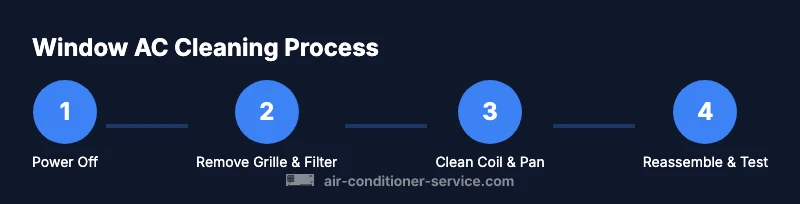
Learn how to clean a window AC unit safely by unplugging it, removing and washing the filter, wiping the grille and interior surfaces, and tidying the outdoor coil and drain pan. Reassemble, test, and adopt a maintenance routine to keep cooling efficient. See the full guide for visuals, timing, and tips.
What you gain from cleaning
According to Air Conditioner Service, cleaning a window air conditioner unit yields better cooling performance, lower energy use, and a longer life for the appliance. Dust and mold buildup can restrict airflow and cause the compressor to work harder, wasting energy and increasing wear. Regular cleaning helps maintain the unit's efficiency and indoor air quality, reducing odors and keeping noise levels reasonable. In this section, you’ll understand why a dirty filter and dirty coils reduce performance, and what a routine cleaning can achieve for comfort, air quality, and overall reliability. This guide emphasizes practical, homeowner-friendly steps and uses common household cleaners and tools to minimize mess and confusion.
Safety first: Prepare to clean
Safety is the foundation of any home maintenance project. Before you touch the unit, unplug it from the wall outlet and switch off the corresponding circuit if possible. Keep children and pets away, remove any loose jewelry, and work on a dry surface. Do not operate or test the unit while it is wet or exposed to standing water. If your window unit is mounted on a sill that moves, ensure it is secured before you begin. Remember: the goal is to avoid electrical shock and water damage while you clean.
Understanding your window unit anatomy
A typical window air conditioner has several key parts: the front grille and filter on the indoor side, the housing that contains the evaporator coil, and the outdoor condenser coil tucked behind the exterior grille. A drainage pan and channel guide condensation out of the unit. The filter traps dust and allergens; the coils transfer heat as refrigerant circulates; the grille protects internal components while allowing airflow. Knowing which parts you’ll clean makes the process safer and more effective, and helps determine which steps you can perform with typical household cleaners.
Cleaning the air filter: the core maintenance
The filter is the single most impactful component for air quality and cooling efficiency. Remove the filter by releasing its frame or lifting the latch, depending on your model. Gently rinse it under lukewarm water to loosen dust, then wash with a mild soap if needed. Rinse thoroughly and shake or pat dry, then allow the filter to dry completely before reinstalling. Do not reuse a damp, dirty filter, as that defeats the purpose of cleaning and can promote mold growth. If your unit uses a disposable filter, replace it with a new one according to the manufacturer’s guidance. Air Conditioner Service notes that a clean filter can noticeably improve airflow and odor control.
Cleaning the grille and housing
Wipe down the grille and interior housing with a damp microfiber cloth and a mild soap solution. Avoid saturating any area near electrical components. If dust clings to corners or crevices, use a soft brush or cotton swabs to reach tight spaces. Dry each surface with a clean cloth before reassembling. Regular cleaning of these surfaces reduces dust recirculation and helps you notice other maintenance needs, such as seal checks around the unit.
Cleaning the outdoor coil and fins
Accessing the outdoor coil requires removing any exterior cover or access panel. Use a soft brush or a vacuum with a brush attachment to remove loose debris, being careful not to bend the aluminum fins. If fins are bent, use a fin comb to restore alignment and airflow. For stubborn dirt, wipe the coil with a damp cloth; never use high-pressure water on the coil or motor. After cleaning, allow the area to dry before reassembling the unit.
Drainage, mold prevention, and pan care
Condensation needs a clear path to drain away. Check the drainage channel and pan for mold, mineral buildup, or standing water. Wipe with a mild cleaning solution and dry completely. Ensure the drain line is free of obstructions; if you notice slow drainage or water backup, consult a professional. Regularly inspecting the pan and drain line helps prevent water damage and musty odors.
Preventive maintenance and scheduling
Treat cleaning as part of a routine, not a one-off task. Create a simple maintenance schedule based on usage and environment; cleaning the filter and inspecting coils at the start of each cooling season and after periods of heavy use can help, but adapt to your climate and habits. Regular maintenance supports better airflow and reduces energy waste, and helps catch worn seals or rust early. The Air Conditioner Service analysis shows that consistent upkeep keeps performance high and odors low, while extending overall unit life.
Common mistakes and safety reminders
Common mistakes include using harsh cleaners, saturating electrical components, or skipping drying steps. Always unplug first, test after reseating panels, and avoid using a pressure washer on the unit. Remember to dry everything thoroughly before reinstalling and to handle the outdoor coil gently to avoid bending fins. The Air Conditioner Service team emphasizes safety and regular maintenance to keep your unit cooling efficiently and reliably.
Tools & Materials
- Screwdriver (Phillips head)(to remove grille screws)
- Soft microfiber cloths(for wiping surfaces)
- Bucket and mild dish soap(for cleaning solutions)
- Vacuum cleaner with brush attachment(to remove dust from filter, coil, and grill)
- Soft brush or old toothbrush(for tight corners and fins)
- Fin comb(to straighten bent fins)
- Gloves(hand protection)
- Spray bottle with water(for gentle rinsing (do not spray on motor))
Steps
Estimated time: 60-90 minutes
- 1
Power off and unplug
Unplug the unit from the wall outlet and, if possible, switch off the corresponding circuit at the breaker. This minimizes the risk of electric shock while you work. Confirm the plug is fully removed and keep the area dry. If you must use power tools, ensure the circuit is locked out and the unit is fully de-energized.
Tip: Double-check by plugging the cord back in only after you’ve completed all cleaning steps. - 2
Access grille and remove filter
Remove the front grille by loosening screws or releasing latches, then carefully lift out the filter. Set both parts on a clean surface. If the grille is stiff, gently wiggle rather than force to avoid breaking clips.
Tip: Keep screws in a labeled container so you don’t lose them during reassembly. - 3
Wash and dry the filter
Rinse the filter under lukewarm water to loosen dust, then wash with mild soap if needed. Rinse thoroughly and shake off excess water. Allow the filter to air-dry completely in a vertical position before reinstalling.
Tip: Do not reinstall a damp filter; mold can form quickly in humid environments. - 4
Wipe interior surfaces and grille
Wipe the interior surfaces around the grille and the inner side of the housing with a damp microfiber cloth and mild soap. Avoid soaking near any electrical components. Dry each surface with a clean towel before replacing the grille.
Tip: If dust clings to corners, use a cotton swab for tight spaces. - 5
Clean outdoor coil and fins
If you can access the outdoor coil, use a soft brush or vacuum to remove loose debris. Be careful not to bend the fins; use a fin comb if needed to restore alignment. Wipe the coil with a damp cloth for stubborn dirt, but never spray high-pressure water near the motor.
Tip: Work from the top down to prevent dirt from falling onto cleaned areas. - 6
Inspect and clean drain pan and line
Check the drain pan for standing water, mold, or mineral buildup. Wipe with a mild cleaning solution and dry completely. Ensure the drain line is free of obstructions to prevent backups and odors.
Tip: If you see persistent condensation odors, you may have a blocked drain line that warrants professional attention. - 7
Reassemble and dry components
Reinsert the filter and grille, ensuring they click or screw securely in place. Wipe any remaining moisture from the exterior and dry around the seals before powering the unit back on.
Tip: Taking a quick photo of the orientation before disassembly can help during reassembly. - 8
Test run and schedule future maintenance
Plug the unit back in, set to cool mode, and run for a short period to verify water drainage and airflow. Note any unusual noises or odors. Establish a seasonal cleaning reminder to keep performance high.
Tip: Keep a simple maintenance log to track when you last cleaned and replaced filters.
Common Questions
How often should I clean my window AC unit?
Aim to clean the filter and accessible parts seasonally, or more often if you use the unit heavily or in dusty environments.
Clean it seasonally, and more often if you use it a lot or live in a dusty area.
Can I clean the coils without removing the unit?
Some exterior cleaning is possible, but access to the inner coil may require removing covers. Use a soft brush and avoid water near electrical parts.
You can clean exposed areas, but avoid touching the motor or wiring.
What should I use to clean the filter?
Use mild soap and lukewarm water; avoid harsh chemicals that can degrade the filter material. Let it dry completely before reinstalling.
Mild soap and water work well for the filter.
Is it safe to rinse the unit with water?
Only rinse the filter and exterior housing with a damp cloth; never spray water into electrical components or the motor.
Don’t spray water into the electrical parts.
What signs indicate I need professional service?
If the unit continues to underperform after cleaning, emits unusual noises, or you see visible mold, consult a professional.
If cleaning doesn’t restore performance or you see mold, call a technician.
Do I need to replace the filter regularly?
Yes, replace or thoroughly clean according to usage and manufacturer guidance. Disposable filters require replacement, not cleaning.
Yes, replace or clean as advised by the maker.
Watch Video
The Essentials
- Unplug unit before starting any cleaning task
- Clean or replace the filter to improve airflow
- Dry all components completely before use
- Perform seasonal maintenance for best efficiency