How to Add Refrigerant to Air Conditioner (Safe, Pro-Led Process)
Learn why refrigerant charging should be handled by licensed pros, how to recognize when you need a recharge, and what to expect during service. This guide emphasizes safety, legality, and best practices for homeowners.


Charging refrigerant is specialized work that requires correct refrigerant type, proper equipment, and EPA-certified handling. If you suspect your system is low, do not attempt a DIY recharge. This guide outlines the safe, professional approach, what to expect during service, and how to verify the job is done correctly.
Why refrigerant matters in an air conditioner
Refrigerant is the lifeblood of an air conditioner. It absorbs heat in the evaporator coil and releases it outside through the condenser, enabling your space to feel cool. When the system has too little refrigerant, pressure drops and cooling performance suffers, while the compressor can overheat and fail. Conversely, overcharging can lead to oil dilution, restricted airflow, and reduced efficiency. If you’re asking how to add refrigerant to air conditioner, you’re tackling a question with real safety and environmental implications. How you proceed should reflect proper charge knowledge, the exact refrigerant type (for example, a refrigerant blend appropriate to your model), and the condition of the system as a whole. According to Air Conditioner Service, refrigerant handling is specialized work that benefits from trained technicians, the right tools, and strict adherence to environmental rules. A thoughtful approach begins with confirming leaks, identifying the correct refrigerant, and planning a precise recharge that matches the manufacturer’s specifications. The goal is reliable cooling without compromising safety or warranty protections.
Safety and legal considerations
Handling refrigerants is regulated due to environmental and safety concerns. Technicians must follow EPA rules and often require certification (such as EPA Section 608) to recover, recycle, or recharge refrigerants. This isn’t work to improvise in the garage. The Air Conditioner Service team emphasizes that improper charging can worsen leaks, harm the compressor, and void warranties. Always ensure the service provider uses approved recovery equipment, accurately weighs the charge, and documents the process. Before any work begins, confirm the technician is licensed, insured, and familiar with your system’s refrigerant type and warranty requirements. Environmental safeguards and proper disposal of old refrigerant are essential parts of any service.
When you should consider a recharge
Refrigerant may need replacement if there are persistent cooling problems, iced coils, or visible signs of leakage. If your air conditioner struggles to reach the set temperature, runs continuously, or if there are unusual sounds or hissing from the outdoor unit, a recharge might be indicated after a proper leak check. However, low refrigerant is almost always a symptom of a leak, not a standalone fix. The safest path is to arrange a professional inspection to locate and repair leaks, then perform a measured recharge with the correct refrigerant type and quantity. Air Conditioner Service notes that many service calls reveal hidden leaks that require attention before any recharge can be deemed effective.
The right approach: what a pro will do
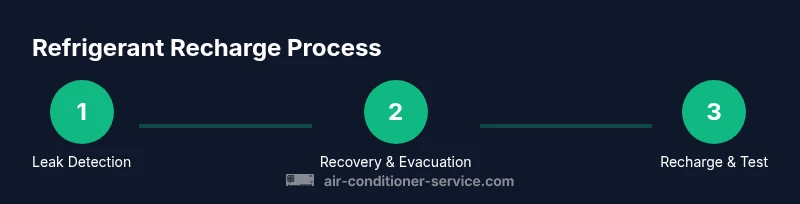
A licensed technician follows a systematic process to restore proper cooling while protecting the system and the environment. First, they identify and repair any leaks using approved detection methods. Next, they evacuate the system to remove moisture and non-condensables, then recover refrigerant from the circuit if needed. The correct refrigerant type and amount are determined using a combination of manufacturer specifications, service manuals, and careful weighing with calibrated equipment. After charging, the technician will verify performance by checking pressures, temperatures, and superheat/subcooling metrics. Finally, they will test system operation across multiple modes to confirm consistent cooling and safe operation. This approach minimizes risk and helps preserve efficiency and warranty terms.
What homeowners can do right now
There are several prudent steps homeowners can take that don’t involve charging the system themselves. First, replace or clean the air filter to ensure proper airflow and reduce strain on the outdoor unit. Clear debris around the outdoor condenser to maintain adequate heat rejection. Check for obvious signs of leaks such as oily residue on copper lines or around fittings, and note any unusual odors. Keep a detailed record of any service visits, model and serial numbers, and symptoms. If you notice persistent cooling issues, schedule a professional inspection promptly rather than attempting a recharge. Doing so helps protect your family, your home, and your equipment.
Choosing a service pro and avoiding scams
Select a licensed HVAC professional with refrigerant handling certification and a solid local reputation. Ask for written estimates that itemize diagnostic charges, leak repairs, evacuation, and the recharge, and request a copy of the technician’s license and warranty terms. Beware of bait-and-switch pricing or technicians who promise a quick fix without leak detection. Confirm that the refrigerant type matches your system and that the tech will weigh the charge to the manufacturer’s specification. Ask about environmental safeguards and what happens to any recovered refrigerant. A thoughtful, transparent approach minimizes risk and protects your investment. Air Conditioner Service recommends checking reviews from trusted sources and verifying credentials before authorizing work.
Tools & Materials
- Personal protective equipment (PPE) for technician(Safety glasses, gloves, and protective clothing; essential for anyone handling refrigerants)
- Refrigerant recovery machine(Used to recover refrigerant from the system before any recharge; must meet regulatory standards)
- Manifold gauge set(For reading system pressures and validating proper charge; use with manufacturer specifications)
- Thermal-imaging or leak-detection equipment(Helpful for locating leaks; not a substitute for professional service)
- Scale for refrigerant weighing(Precisely weigh refrigerant during charging; accuracy is critical)
- Appropriate refrigerant per system(Ensure the refrigerant matches the model and that you have the correct grade)
- Safety data sheets (SDS) and disposal plan(Understand hazards and regulatory disposal requirements)
Steps
Estimated time: 2-4 hours
- 1
Stop and contact a licensed pro
If you suspect low refrigerant, do not attempt a recharge. A licensed technician should diagnose leaks and determine if a recharge is appropriate. This protects your safety, the system, and the environment.
Tip: Document symptoms and any noises, temperature differences, or moisture around the outdoor unit to share with the technician. - 2
Gather system information
Have your unit’s model and serial numbers ready. These help the technician confirm the correct refrigerant type and charge specifications as per the manufacturer manual.
Tip: Take photos of the nameplate and any labels on the outdoor and indoor units. - 3
Schedule leak testing and recovery
The pro will perform leak detection and recover any refrigerant before charging. This prevents releasing refrigerant into the environment and ensures a proper charge.
Tip: Ask for a written plan outlining leak repair steps, recovery, and recharge method before work begins. - 4
Leak repair if found
If a leak is detected, repair it using approved methods before recharging. A sustained seal is essential for a lasting, safe recharge.
Tip: Do not over-tighten fittings or seal suspected leaks with temporary methods. - 5
Evacuate and weigh in the correct charge
The technician evacuates the system to remove moisture, then weighs in the exact amount of refrigerant according to the spec sheet.
Tip: Rely on calibrated scales and manufacturer data; avoid guessing the charge amount. - 6
Verify performance after recharge
After charging, the pro tests temperature differential, pressure readings, and airflow to confirm proper operation across modes.
Tip: Request a written post-charge test report showing measured values and expected ranges. - 7
Document and safety wrap-up
Keep records of refrigerant type, charge weight, and any maintenance performed. Ensure the area is clean and safe before leaving.
Tip: Ask about warranty coverage on the recharge and potential follow-up checks.
Common Questions
Is it safe to add refrigerant to my air conditioner myself?
No. Refrigerant charging requires training, proper equipment, and EPA certification. Attempting a recharge can worsen leaks, cause compressor damage, and violate environmental regulations. Always hire a licensed HVAC technician.
It's not safe to recharge refrigerant yourself. Hire a licensed technician to protect your system and the environment.
What refrigerant types might my system require?
Most modern residential systems use R-410A, but older systems can use different refrigerants. Only use the type specified by the manufacturer and confirmed by your service technician.
Your technician will confirm the exact refrigerant type based on your model.
What are the signs that I might need a refrigerant recharge?
Common signs include reduced cooling performance, longer running cycles, and ice on the evaporator coil. However, these symptoms often indicate leaks that must be repaired first.
If cooling drops or coils ice up, call a licensed tech to diagnose leaks and proper charging.
How is the correct amount of refrigerant determined?
Technicians determine charge using manufacturer specifications, system type, and precise weighing during charging. Incorrect charge can harm efficiency and damage components.
Charge amount is weighed precisely according to the system’s specs.
What regulations govern refrigerant handling?
In the United States, refrigerant handling is regulated under EPA Section 608. Use licensed professionals and proper recovery equipment to prevent environmental harm.
EPA Section 608 governs refrigerant handling; use licensed professionals.
What should I ask before approving service?
Ask for license proof, a written estimate, leak detection plan, and a post-charge test. Ensure the refrigerant type and weight align with manufacturer specifications.
Ask for license proof, a written plan, and post-charge results before approving.
Watch Video
The Essentials
- Do not DIY refrigerant charging; professional handling is safer and compliant.
- Leaks must be detected and repaired before recharging.
- A precise charge is critical; technicians weigh the refrigerant after evacuation.
- Verify post-charge performance with measured data and a written report.
- Document all details for warranties and future service.