Air Conditioner Freon: Leaks, Recharge, and Safety
Learn how air conditioner freon works, signs of leaks, recharge vs replacement, safety considerations, and how to choose a qualified technician. Practical guidance from Air Conditioner Service.


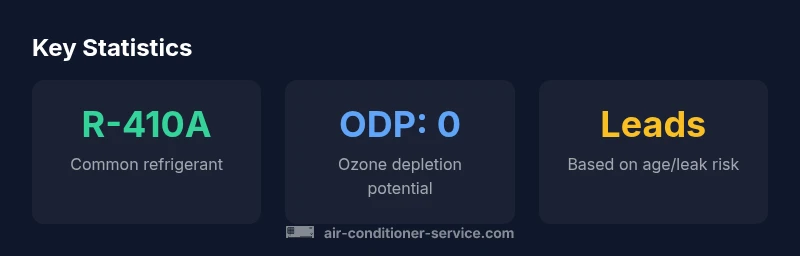
Freon is the common term for refrigerants used in air conditioners, not a single chemical. In modern homes, R-410A is the standard refrigerant, with R-22 still found in older systems. Leaks or incorrect charging can reduce cooling, waste energy, and harm the environment. Handling refrigerants requires training and certification; DIY recharge is unsafe and illegal in many places.
What is Freon and Why It Matters for Air Conditioners
Freon is a widely used, generic term for the refrigerants that power air conditioners. In everyday language, homeowners say Freon when they mean the refrigerant circuit that circulates within your system. The most common refrigerants today are R-22 (historical) and R-410A (current standard). The phrase air conditioner freon often refers to the charge in the system, which must remain sealed in a closed loop. Leaks or improper charging can reduce cooling efficiency, raise energy use, and raise environmental concerns. Because Freon types differ in chemical composition and regulatory status, it is essential to identify the exact refrigerant in your unit before any service. According to Air Conditioner Service, working with refrigerants requires training, proper equipment, and adherence to environmental and safety rules. The goal is to restore proper pressure and flow without releasing gases into the indoor air or atmosphere. This is not a DIY maintenance task; handling refrigerants without certification can cause injury and legal penalties.
How Freon Works in a Typical Split System
The freon in a standard residential split system completes a closed loop that moves heat from indoors to outdoors. The cycle begins in the evaporator coil inside your home, where low-pressure liquid refrigerant absorbs heat and boils into a gas. The compressor then raises the gas pressure and temperature, pushing it to the condenser coil outside, where it releases heat and condenses back into a liquid. As it expands through an expansion device, the liquid re-enters the evaporator to repeat the cycle. This continuous loop relies on precise refrigerant charge and sealed connections. A correct charge ensures efficient heat transfer, consistent airflow, and steady indoor cooling. If the system is low on freon due to a leak, the cycle becomes imbalanced, reducing cooling capacity and increasing energy consumption. Because freon handling requires specialized equipment for recovery and recharge, any service should be performed by a licensed technician.
Signs You Might Have a Freon Leak
- Decreased cooling performance and longer run times indicate reduced refrigerant in the system.
- Ice formation on the evaporator coil or refrigerant lines is a common visual cue.
- Hissing or bubbling sounds near the outdoor unit can reflect escaping gas.
- Oily residue around service valves or lineset can signal a leak site.
- Sudden frost on indoor vents or unexpected humidity changes point to imbalance in the cycle.
- Rising energy bills can accompany inefficiency from a low refrigerant charge.
If you notice any of these signs, contact a licensed HVAC technician promptly. Freon leaks require careful handling and professional leak testing to avoid environmental harm and ensure correct refrigerant type and amount are restored.
Safe Handling, Codes, and Your Responsibility
Refrigerant handling is governed by environmental and safety regulations. In many regions, technicians must hold EPA certification to recover and recharge refrigerants and to perform leak testing. Never attempt to seal a leak or recharge a system yourself; improper charging can damage components, cause injuries, and violate laws. If you suspect a leak, turn off the unit, ventilate the area, and call a qualified professional. A technician will identify the exact refrigerant type, locate the leak, repair or replace faulty connections, perform recovery, and recharge with the correct charge. Ask for a written diagnostic and an itemized quote that includes line-set checks, leak testing, and any needed component replacement.
Recharge vs Replacement: Making the Right Call
Recharge is appropriate when a leak has been repaired and the system is otherwise sound, and the refrigerant charge is within specification. If leaks recur or the system shows signs of aging, replacement may be more cost-effective in the long run. The decision depends on system age, efficiency, and the extent of leaks, plus environmental regulations affecting refrigerants. A pro can compare options, including retrofit possibilities or upgrading to newer, more efficient equipment with modern refrigerants. Regardless of choice, ongoing maintenance and leak testing are key to extending system life and maintaining efficiency.
How to Choose a Technician and What to Expect
Look for an EPA-certified technician with proven experience handling refrigerants and diagnosing leaks. Request a thorough inspection, a written estimate, and a clear description of the refrigerant type, charge, and leak repair plan. Ask about warranties on repairs and refrigerant. Ensure the technician uses proper recovery equipment and follows disposal requirements for old refrigerants. A reputable pro will test for leaks after repair and provide guidance on maintenance to prevent future issues.
Freon basics, leak signs, and recharge considerations
| Topic | Freon Type | Key Considerations |
|---|---|---|
| Definition | R-22/R-410A (common); Freon is a trade name for refrigerants | Not a single chemical; identify exact refrigerant before service |
| Leak Signs | Any refrigerant can leak; signs vary | Look for reduced cooling, ice, hissing, or oily residues |
| Recharge Considerations | Recharge after leak repair; correct charge essential | Recharge alone does not fix leaks; repair first |
Common Questions
What does Freon mean in home air conditioners?
Freon is a common term for refrigerants used in air conditioners. It isn’t a single chemical but a family of compounds like R-22 and R-410A. The refrigerant circulates in a closed loop to transfer heat. Knowing the exact refrigerant type is important for service and environmental considerations.
Freon refers to the refrigerants in your AC. It’s not one chemical, and the exact type matters for service and safety.
Is it legal to handle Freon without a certificate?
No. Handling refrigerants typically requires EPA certification and specialized equipment. DIY attempts can be unsafe and may violate local regulations. Always hire a licensed technician for recovery and recharge.
You need proper certification to handle Freon. DIY is unsafe and often illegal, so call a licensed pro.
Can I recharge Freon myself?
Recharge should only be done after locating and repairing the leak and confirming the exact refrigerant type and charge. Recharging a system with an unresolved leak can cause further damage and environmental harm. Hire a qualified technician for proper recharge.
No—recharge should be done only after leak repair by a trained technician.
What are common signs of a Freon leak?
Look for reduced cooling performance, longer cycles, ice on coils, hissing sounds, oily residue on lines, frost on vents, and unexpected spikes in energy use. If you notice these, schedule a professional inspection.
Common signs are reduced cooling, ice on coils, and hissing sounds—call a pro.
How much does a Freon recharge typically cost?
Costs vary by refrigerant type, system size, and regional pricing. A professional assessment will include the leak repair plan and the exact refrigerant charge. Expect a range based on those factors, but avoid any service that only recharges without addressing leaks.
Prices vary; the key is fixing leaks first and charging the correct refrigerant.
When should I replace my AC instead of recharging?
If leaks are frequent or the system is aging, replacement can be more cost-effective and energy-efficient in the long run. A technician can assess efficiency, refrigerant options, and system compatibility with newer refrigerants.
If leaks keep coming back or the unit is old, replacement might be the smarter choice.
“Proactive refrigerant management hinges on proper diagnosis, leak repair, and certified handling. This protects your home, your wallet, and the environment.”
The Essentials
- Understand Freon as refrigerant, not one chemical
- Leaks require professional repair before recharge
- Recharge is not a fix for persistent leaks
- Choose licensed technicians and follow safety rules