Can You Recharge a Window Air Conditioner: A Practical Guide
Learn whether you can recharge a window air conditioner, why DIY refrigerant charging is risky, and what to expect when hiring a licensed professional for a safe, compliant recharge.


Can you recharge a window air conditioner yourself? Generally, no. Refrigerant handling is regulated for safety and environmental reasons, and improper charging can worsen performance or cause leaks. If you suspect low refrigerant, shut off the unit and contact a licensed HVAC technician to diagnose and recharge using the correct refrigerant and equipment.
Understanding the refrigerant cycle and why DIY recharge is not recommended
According to Air Conditioner Service, window air conditioners rely on a closed refrigerant loop that moves heat from inside your space to the outdoors. The exact amount of refrigerant, the type used, and the operating pressures are chosen for each model and are part of a factory sealed system. When you see not-cooling or unusual noises, it’s tempting to think a quick recharge will fix the problem, but this is rarely the right first step. The cooling circuit is designed to operate within narrow pressure ranges; adding refrigerant without diagnosing the cause can throw the system out of balance and cause internal damage. Refrigerant handling is tightly regulated for safety and environmental reasons, and recovery equipment is required to prevent release into the atmosphere. Even if the unit seems low, the real issue may be a leak, a clogged filter, ice on the coils, or an airflow restriction. A professional will verify the refrigerant type and charge, inspect for leaks, and confirm the system can operate safely after any recharge. If you suspect a problem, stop using the unit, document any symptoms, and contact a licensed technician who can perform a compliant, safe recharge if needed using the correct refrigerant and procedures for your model in 2026.
Signs your window AC may need service
A window unit may seem to “just be weak,” but the root cause can be broader than a poor seal. Common signs of a refrigerant-related issue or insufficient cooling include warm air from the vents, inconsistent cooling between rooms, or cooling that stops before reaching the thermostat set point. Ice buildup on the evaporator coils is another red flag, indicating excess moisture or improper pressure. You might hear a hissing or bubbling sound from inside the cabinet, or notice an oily or refrigerant-like smell near the panel. If your unit runs constantly or cycles on and off more frequently than usual, airflow restrictions may be the primary culprit rather than the refrigerant. Visual signs like oil stains around the service panel or a significant drop in cooling effectiveness on hot days should prompt a professional inspection. Remember: window units are exposed to outdoor elements, and seals can degrade over time, leading to leaks. If you observe any of these signs, especially persistent ice or a hissing sound, arrange a diagnostic with a licensed technician. Air Conditioner Service notes that many cooling problems attributed to low refrigerant are actually caused by leaks, dirty coils, or blocked condensate paths.
What a licensed technician does during a recharge
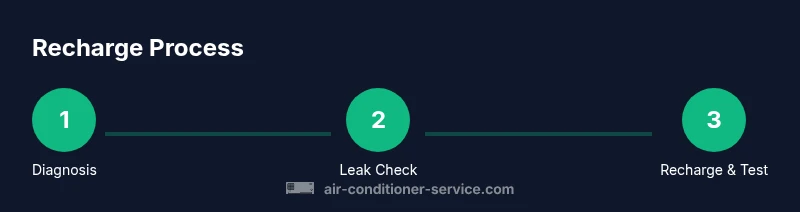
During a professional recharge, a licensed technician will verify the refrigerant type for your model and perform leak testing before any recharge. They use calibrated gauges, recovery equipment, and leak-free connections to recover any existing refrigerant safely. After confirming there is a leak that has been repaired or sealed, the tech evacuates the system to remove moisture and air, then charges with the correct amount of refrigerant to the specified pressure. They then test the system under run conditions, checking the outlet temperature, air flow, and electrical connections. If the unit’s performance remains off after recharge, the tech will investigate other causes such as a failing compressor, a restricted capillary tube, or a clogged coil. The process aims to restore proper cooling while preventing environmental release of refrigerant, which is illegal in many jurisdictions without a license. Expect the visit to take a few hours, depending on the unit’s condition and accessibility.
Safer maintenance tasks homeowners can do now
Before considering refrigerant work, you can take steps to improve efficiency and diagnose non-refrigerant problems. Replace or clean the air filter, ensuring the unit breathes easily, and clean the condenser and evaporator coils if accessible. Make sure the outdoor compressor area is free from debris and that airflow is not obstructed by nearby plants, furniture, or shade. Inspect the window seal and sash for gaps; a loose seal can reduce cooling efficiency and create symptoms that resemble a refrigerant issue. Check the thermostat settings and operation; an improper setpoint or malfunctioning control can make the unit seem weak. Ensure the condensate drain isn’t clogged, as moisture buildup can affect coil performance. These tasks improve cooling and may reduce the need for a recharge by addressing root causes such as airflow and moisture rather than refrigerant volume.
Costs, timing, and alternatives
Because refrigerant handling and recovery require specialized equipment and training, work with a qualified technician. The cost and timing can vary by region, unit size, and the extent of any leak repair. The service may include diagnostic charges, leak repair, evacuation, and recharge, and some situations may require refrigerant replacement or component repair. If a refrigerant leak is found, professionals will address it and recheck the system after recharge. If the unit is old or has multiple failing parts, replacement might be a better long-term option than continuing to recharge a compromised system. Air Conditioner Service recommends considering the overall efficiency, environmental impact, and long-term reliability when weighing options.
How to choose a qualified technician
Start by verifying licensing and any local refrigerant handling requirements; many regions require a contractor to hold EPA Section 608 certification or an equivalent license for refrigerant work. Ask for references and recent customer feedback, and request a written estimate that includes diagnostic steps, leak testing, evacuation, and recharge procedures. Ensure the technician uses approved recovery equipment and follows safe handling practices to minimize refrigerant release and contamination. They should explain the suspected root cause (such as a leak vs. a failed component) and provide a clear plan for repair, replacement, or recharge if appropriate. Finally, confirm that follow-up support is available if cooling performance doesn’t improve after the service.
Preventing refrigerant-related issues in the future
Regular maintenance helps prevent low cooling performance and potential leaks. Schedule at least an annual check that includes a refrigerant test if your unit is older, inspect seals and gaskets around the window frame, and clean or replace filters monthly during the cooling season. Keep coils clean and free of dirt to maintain heat exchange. Make sure the thermostat and wiring are functioning correctly, as electrical problems can mimic refrigerant issues. If you notice a sudden drop in cooling capacity, unusual noises, or frost on the coils, stop using the unit and call a professional promptly to avoid escalating damage. The goal is to address wear-and-tear before it becomes a refrigerant problem.
Realistic expectations: timing, outcomes, and next steps
In most cases, diagnosing a low refrigerant condition requires a site visit by a licensed technician. A typical diagnostic appointment may take 60–120 minutes, depending on accessibility and the complexity of the system. If a leak is found and repaired, the recharge and performance verification will follow, which can add additional time. If the unit needs replacement or major repairs, your technician will outline options and timelines. Any refrigerant-related work should result in improved cooling performance and proper airflow, but it may not restore original performance if other components are worn. Air Conditioner Service emphasizes planning for potential follow-up visits and having a candid discussion about long-term reliability and energy efficiency.
Tools & Materials
- null(No DIY refrigerant charging recommended; use professional service only)
Steps
Estimated time: 2-6 hours
- 1
Schedule a licensed technician
Arrange a diagnostic visit with a trained HVAC professional who can assess refrigerant levels, leaks, and overall system health. This initial step ensures you won’t waste time or risk safety by attempting a recharge yourself.
Tip: Ask for EPA certification verification and request a written estimate before work begins. - 2
Provide model details and symptoms
Have your window unit’s make, model, and age ready, along with a record of symptoms (not cooling, ice on coils, unusual noises). This helps the tech diagnose whether the issue is refrigerant-related or due to another problem.
Tip: Take note of recent changes like cleaning, window seal replacement, or airflow obstruction. - 3
Leak testing and recovery
The tech will perform leak testing and, if refrigerant is present, recover any refrigerant safely using approved equipment. This step prevents accidental release and ensures compliance.
Tip: Do not attempt to seal suspected leaks yourself; only certified equipment should be used. - 4
Evacuation and recharge (if needed)
If a repair is completed and the system is ready, the technician will evacuate moisture and air and recharge with the correct refrigerant type and amount specified for your unit.
Tip: Refrigerant types and charges are model-specific; wrong refrigerant can damage components. - 5
System verification
After recharge, the tech will test airflow, temperature at the outlet, and electrical connections to confirm proper operation.
Tip: Ask for a written test result or a performance verification report. - 6
Follow-up plan
If cooling remains subpar, the technician will propose next steps, such as component replacement or unit option assessment.
Tip: Obtain a plan with expected timelines and any additional costs.
Common Questions
Can I recharge a window air conditioner myself?
No. Refrigerant charging requires specialized equipment and EPA-certified handling. DIY charging can be unsafe, illegal in some areas, and may damage the unit or leak refrigerant into the environment.
No—refrigerant charging should be handled by a licensed technician to ensure safety and compliance.
What are common signs of a refrigerant leak?
Warm air from the unit, ice on coils, hissing sounds, or lingering refrigerant smells can indicate a leak. If you notice these, stop using the unit and contact a pro.
Look for warmth, ice, hissing sounds, and smells—then call a technician.
Will a recharge fix not cooling?
A recharge may restore cooling if the issue is a leak repair and proper recharge. However, other faults like a failing compressor or blocked coils can prevent full recovery.
A recharge can help if leaks were fixed, but other problems may still need attention.
How long does a recharge take?
Time varies with unit accessibility and whether leaks are present. A typical service visit can take a few hours overall, including diagnostic, repair, and verification.
Most jobs take a few hours from start to finish, depending on access and repairs needed.
Is a refrigerant recharge different for window vs central AC?
The refrigerant type and charge depend on the system. Window units are smaller but still require correct refrigerant, seals, and leak checks.
The same safety and accuracy applies, but charges are specific to the unit.
What maintenance can I do to prevent leaks?
Regular cleaning of filters, coils, and keeping seals tight helps prevent conditions that lead to leaks. Schedule annual professional checkups for older units.
Keep filters clean and seals tight; get professional checks annually.
Watch Video
The Essentials
- Never attempt DIY refrigerant charging on a window AC.
- Rely on licensed technicians for leaks and recharge.
- Maintain airflow and clean filters to improve cooling.
- Costs vary; discuss options and follow-up before proceeding.