How to Put Car AC Refrigerant in a Car
A comprehensive, safety-first guide to refrigerant charging for car ACs, covering legal considerations, required tools, step-by-step process, and when to call a professional.


To put refrigerant into a car AC safely, verify legality, identify the correct refrigerant type (R-134a or R-1234yf for your vehicle), and use certified equipment. This quick guide outlines the safe steps and when DIY is appropriate versus professional service. Always consult your vehicle’s service manual and your local regulations before starting.
Why Car AC Refrigerant Charging Requires Care
Car air conditioning systems are sealed, complex assemblies that depend on precise pressures and correct refrigerant mixtures. If you’re researching how to put air conditioner refrigerant in a car, you’re about to learn that small mistakes can waste coolant, damage the compressor, or release harmful fumes. Refrigerants are handled under environmental regulations, and improper charging can lead to leaks and ozone-depleting emissions (or climate impact for newer blends). The recovery, evacuation, and recharge steps require specialized tools and certification in many regions. For homeowners and hobbyists, the goal is not to “game” the system but to understand when DIY is appropriate and when a licensed technician should step in. This article outlines a careful approach that prioritizes safety, environmental responsibility, and vehicle reliability, while clearly noting the limits of do-it-yourself work. Air Conditioner Service emphasizes that proper procedures protect you, your car, and the environment, and that training matters as much as tools.
Understanding Refrigerants and Vehicle Systems
Car AC refrigerants come in a couple of common blends, with R-134a used in older models and R-1234yf in many newer vehicles. Each refrigerant has different pressure ranges and compatibility requirements with lubricating oil and seals. Before attempting any recharge, you should verify the refrigerant type listed on your vehicle’s label or owner manual. Knowing the correct type helps you avoid mixing refrigerants, which can lead to degraded cooling performance or system damage. In addition, the overall system relies on components such as the compressor, accumulator, evaporator, and condenser to regulate pressure and flow. For the question of how to put air conditioner refrigerant in a car, precision matters—incorrect refrigerant type or charge can reduce efficiency and shorten a component’s life. Air Conditioner Service cautions that diagnostics, leak testing, and proper recovery are essential steps in any recharge procedure.
Common Symptoms That Signal Refrigerant Issues
Low or no cooling is the most obvious sign that something is wrong with the car AC refrigerant. You might notice warm air blowing from the vents, longer times to reach cold air, or cycles that run more frequently. Other indicators include hissing noises from under the hood, oily residue around service ports, or a sudden drop in cooling efficiency after a repair. If you observe these symptoms, it could indicate undercharged refrigerant, a leak, or a faulty pressure switch. Remember, diagnosing the root cause is not just about adding refrigerant; it requires confirming that there are no leaks and that the system is sealed. This section helps you recognize when professional testing is warranted and when a basic DIY recharge might be considered under strict safety guidelines.
Safety and Environmental Considerations
Charging a car’s AC refrigerant involves handling pressurized gas and chemicals that can cause frostbite or eye injuries if misused. Always wear safety glasses and gloves, work in a well-ventilated area, and follow local regulations about refrigerant recovery and venting. Do not vent refrigerant to the atmosphere; many blends are greenhouse gases that contribute to climate change. Leaks can harm the environment and require cleanup by certified technicians. Environmentally responsible handling also means using a properly maintained recovery machine to capture refrigerant before adding any new charge. If you’re unsure about the procedure, stop and seek professional service. Air Conditioner Service emphasizes that safety and legality are non-negotiable when dealing with automotive refrigerants.
DIY vs Professional Service: Pros and Cons
DIY refrigerant charging can be educational and cost-saving for small tasks, but it carries risks. Without proper equipment, you might overcharge or undercharge the system, causing inefficient cooling or compressor damage. Licensed technicians have training, leak-detection methods, and recovery systems that minimize environmental impact. The cost of professional service can be justified by the long-term reliability and compliance with environmental rules. In many jurisdictions, handling refrigerants requires credentials and documentation. This section helps readers weigh the advantages of DIY versus professional service and understand when it’s prudent to call a pro.
How Refrigerant Charging Works in Theory
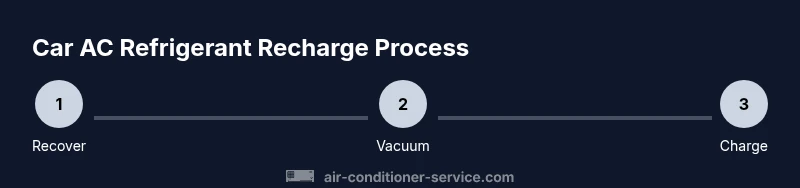
Charging a car AC system is a matter of restoring the correct amount of refrigerant and ensuring proper system pressure. The process typically involves recovering any existing refrigerant, evacuating moisture with a vacuum pump, and then adding refrigerant to a specified weight or pressure. The exact amount depends on vehicle make, model, and the service manual. The charging procedure must be tracked with a calibrated scale and gauges to verify the High and Low side pressures. Understanding the theory behind the charging process helps you evaluate performance after the work is done and ensures the system operates within its design parameters.
What If the System Leaks? Next Steps
If a leak is suspected, do not simply keep adding refrigerant. Leaks waste refrigerant, can damage the environment, and mask other mechanical issues. The correct course is to perform a leak test using UV dye or electronic detectors, repair the leak, and then recheck pressures after a proper evacuation. Leaks often occur at connections, hose fittings, or the valve cores. If you cannot locate or repair the leak, professional service is required. Air Conditioner Service recommends pursuing a fix that restores integrity before recharging the system.
Authority Sources and Further Reading
For authoritative guidance on refrigerant handling and automotive air conditioning, consult:
- EPA Section 608: https://www.epa.gov/section608
- OSHA safety guidelines: https://www.osha.gov
- NIST standards and safety references: https://www.nist.gov These sources provide regulatory context, safety considerations, and standards relevant to car AC refrigerant handling.
Tools & Materials
- Certified refrigerant (R-134a or R-1234yf)(Use the refrigerant type specified for your vehicle; do not mix types.)
- Refrigerant recovery machine(Required to capture existing refrigerant before charging.)
- Manifold gauge set with hoses(For reading high- and low-side pressures during charging.)
- Vacuum pump(Evacuates moisture and tests for leaks; run for at least 15-30 minutes.)
- Leak detector (UV dye kit or electronic detector)(Helps locate leaks before and after charging.)
- Safety glasses and gloves(Personal protection essential when handling refrigerants.)
- Vehicle service manual or OEM specification(Identify the correct charge amount and procedure for your model.)
- Recharge scale or calibrated can tap(Accurately measure refrigerant added to the system.)
- UV dye (optional)(Optional for leak tracers and longer-term diagnostics.)
Steps
Estimated time: 90-180 minutes
- 1
Prepare and verify safety
Put on PPE, review the vehicle’s refrigerant type, and ensure you have a well-ventilated workspace. Confirm that the vehicle's battery is disconnected and the engine is off before starting. Read the service manual for the exact specifications and local regulations.
Tip: Double-check the exact refrigerant type for your model to avoid cross-contamination. - 2
Set up the recovery and diagnostic gear
Connect the recovery machine and manifold gauges per manufacturer instructions. Ensure hoses are rated for refrigerant service and that there are no kinks or leaks in the lines. Calibrate the scale and confirm the gauges read correctly at ambient temperature.
Tip: Confirm the system’s stated capacity before recovery begins. - 3
Recover existing refrigerant
Use the recovery machine to extract existing refrigerant from the system into an approved container. Do not release refrigerant to the environment. Record the recovered amount for compliance and future service references.
Tip: If the system will not recover, stop and consult a professional. - 4
Evacuate the system
Attach the vacuum pump and evacuate the system for 15-30 minutes or as specified in the OEM manual to remove moisture. Hold a deep vacuum and monitor the system for pressure rise during a leak test.
Tip: Moisture in the system can cause corrosion and poor lubrication; do not skip this step. - 5
Charge with the correct refrigerant
Add refrigerant through the designated port using the calibrated scale to reach the manufacturer’s specified charge. Monitor High- and Low-side pressures during charging and stop if readings deviate from the expected range.
Tip: Never exceed the recommended charge; overcharging can damage the compressor. - 6
Test operation and verify leaks
Run the engine and turn on the AC to verify cooling. Recheck pressures and inspect for leaks with a detector or dye. If temperatures don’t improve, reassess the system and consider additional checks.
Tip: Listen for abnormal compressor noise and watch for unusual temperature changes. - 7
Document service details
Record refrigerant type, amount charged, readings, and any findings. Update maintenance logs and note any follow-up actions required by the OEM guidelines.
Tip: Documentation helps future maintenance and compliance audits.
Common Questions
Is it legal to recharge car AC refrigerant at home?
Legality varies by location; many places require a technician certification for handling refrigerants. Always check local regulations before attempting a recharge at home.
Check your local regulations first; many areas require technician certification for refrigerants.
What refrigerant types are used in cars?
Common automotive refrigerants are R-134a for older vehicles and R-1234yf for newer ones. Use the type specified on your vehicle’s label or in the service manual.
Most cars use either R-134a or R-1234yf; verify your model’s specification.
Do you need a license to handle refrigerants?
In many regions, yes. Handling refrigerants often requires credentials and proper recovery equipment to prevent environmental harm.
Yes, in many places you need credentials to handle refrigerants and proper equipment.
How can I tell if my system has a leak?
Look for oily residues near service ports, hissing sounds, or use a UV dye or electronic detector during inspections. A true leak will require repair before recharging.
Check for oil residue, listen for leaks, and use a detector to confirm.
Can a low refrigerant charge cause not-cooling?
Yes. A low charge reduces cooling efficiency and can strain the compressor, potentially leading to premature failure if not corrected.
Low charge reduces cooling and can hurt the compressor.
What should I do if cooling isn’t improved after charging?
If cooling remains poor, stop and recheck for leaks, blockages, or faulty components. A professional diagnostic may be needed.
If it doesn’t improve, recheck for leaks or call a pro for a deeper diagnostic.
Is there a safe DIY approach for leaks?
DIY leak repair is not advised for complex systems; leaks should be addressed by a trained technician with proper equipment and documentation.
Leak repairs should be handled by a trained technician.
How often should I service my car’s AC?
Regular checks during maintenance intervals help prevent refrigerant loss and maintain cooling performance.
Service checks during regular maintenance help keep the AC performing well.
Watch Video
The Essentials
- Verify legal requirements before charging.
- Use the correct refrigerant type for your vehicle.
- Leak testing is essential before and after charging.
- Professional service may be required for leaks or complex systems.