How to Clean an Air Conditioner Drain Pan: Step-by-Step
Learn practical, safe methods to clean your air conditioner drain pan, prevent leaks, and extend your AC system's life with a clear step-by-step guide.


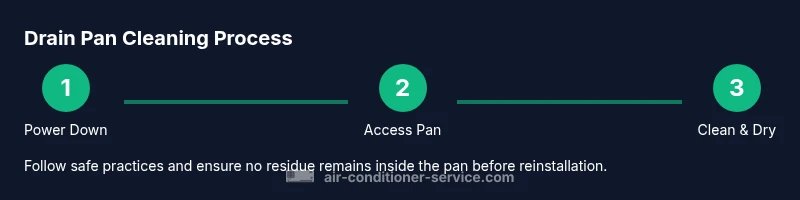
To clean the air conditioner drain pan, power off the system, remove the pan, discard standing water and debris, scrub with mild soap and warm water, rinse thoroughly, and dry completely before reinstalling. Inspect for cracks or corrosion and replace if damaged; ensure the pan and drain line are properly sloped to prevent future overflow.
What is a clean air conditioner drain pan and why it matters
The drain pan in an air conditioner sits beneath the evaporator coil and collects condensate produced as warm air passes over the cooling coils. Over time, this water can become a breeding ground for algae, mold, and mineral buildup, leading to odors, clogs, and even water damage if the pan overflows. Keeping the drain pan clean reduces the chance of leaks, protects your ceilings and floors, and helps maintain indoor air quality. According to Air Conditioner Service, a clean drain pan is a fundamental part of routine AC maintenance and a key guard against moisture-related problems. A well-maintained drain pan also supports the overall efficiency of the system by ensuring water drains correctly rather than pooling around the coil.
Common drain pan issues homeowners encounter
Most problems with the drain pan come from long-term moisture exposure and debris accumulation. Clogged or partially blocked drain holes can cause water to back up and overflow. Rust and corrosion reduce pan integrity, while cracks or warping create hidden leaks. Algae growth and mineral deposits often build up on the pan surface, leading to musty odors and discolored condensate. In some homes, a leaking drain pan is a symptom of a larger drainage issue, such as a clogged drain line or improper slope. Regular inspection helps catch these issues before they escalate.
Safety and preparation before cleaning
Before you touch any part of the AC system, power down to prevent shock or motor startup. Turn off the circuit breaker for the indoor unit, and if accessible, switch off the outdoor condenser as well. Remove any nearby valuables and ensure the area is dry. Wear gloves and eye protection, and have towels or a bucket ready to catch spills. If your unit uses a condensate pump, disconnect power to the pump to avoid electrical hazards.
Drain pan design and location: where to access it
Drain pans live under the evaporator coil in the air handler cabinet. They can be made from metal or rigid plastic, and some units use a secondary overflow tray. Access usually requires removing an access panel or a small service door; in some installations, the pan is partially hidden behind insulation. The exact location varies by model, so consult the owner's manual for diagrams. Identifying the correct pan is essential to avoid accidental damage when cleaning.
Inspection and basic maintenance you can perform
Start by visually inspecting the pan for cracks, bulges, rust, or loose fittings. Check the drainage hole or weep hole for obstructions. Look for mineral buildup and mold along the edges. While cleaning, avoid harsh scrubbing that could scratch coatings. Performing a light wipe with a soft cloth will help remove surface grime without risking damage. If you notice persistent drips after cleaning, the underlying line or pump may require attention.
Cleaning methods and solutions that work safely
Mix a mild dish soap solution with warm water for routine cleaning. Use a soft brush or microfiber cloth to scrub the pan gently, paying attention to corners and drain holes. For tougher buildup, a diluted white vinegar solution can help dissolve algae without harsh chemicals. Rinse thoroughly with clean water and dry completely to prevent new mold growth. Avoid bleach or strong solvents that can corrode metal or plastic and always ventilate the area while cleaning.
Preventive maintenance to extend pan life
Schedule a seasonal check of the drain pan and condensate line, and keep the area around the pan clear of debris. Ensure the drain line slopes slightly downward toward the sewer or condensate pump, typically about a quarter-inch per foot. Install or replace a small screen or filter at the pan inlet if your model supports it to reduce debris. Use a silicone-based sealant around the panel edges to prevent moisture intrusion. Regular cleaning limits mineral buildup and reduces the risk of clogs.
When to replace the drain pan and call a pro
Pan replacement is recommended when you detect cracks that extend through the wall, severe rust, or warped shapes that compromise drainage. Visible corrosion or deformation cannot be safely repaired; installing a new pan restores proper drainage and prevents leaks. In these cases, contact a licensed HVAC technician to ensure proper fit and compatibility with your unit. If you’re unsure, a professional inspection can confirm whether cleaning or replacement is needed.
Quick-reference checklist and troubleshooting
- Power off the system before handling the pan.
- Remove and clean the pan, then reinstall correctly.
- Inspect the drain line for clogs and test drainage with a small amount of water.
- Dry the area completely and watch for leaks over the next 24 hours.
- Schedule preventive maintenance to avoid future issues.
Tools & Materials
- Non-scratch scrub brush(Soft bristles prevent scratching metal or plastic pans)
- Mild dish soap(Dawn or similar gentle detergent)
- White vinegar(Optional for disinfecting algae buildup)
- Warm water(For soap mix and rinsing)
- Gloves(Protect hands from grime and cleaners)
- Bucket(Catch water and debris when pan is removed)
- Rags or microfiber towels(Drying and surface blotting)
- Screwdriver or socket wrench(Remove access screws if needed)
- Shop vacuum (optional)(Remove standing water quickly if pan is heavy)
Steps
Estimated time: 60-90 minutes
- 1
Power down and locate drain pan
Turn off the circuit breaker for the indoor unit and, if accessible, the outdoor condenser. Open the front panel to locate the evaporator coil and the drain pan beneath it. Confirm you have a safe path to remove the pan without disturbing wiring.
Tip: Label panels before removal and have a helper ready if the pan is heavy. - 2
Disconnect power to condensate pump (if present)
If your system uses a condensate pump, unplug the unit from its outlet and secure any cords so they cannot be disturbed during cleaning. This reduces the risk of accidental startup while you work.
Tip: If you cannot access the pump, skip to the next step and proceed with caution. - 3
Remove the drain pan
Carefully unclip or unscrew the pan from its mounting. Support the pan with both hands and tip it slightly to drain any remaining water into a bucket. Place the pan on a towel to prevent spills.
Tip: Have a second person assist if the pan is full or awkward in shape. - 4
Empty and inspect the pan
Pour out the contents and inspect for cracks, rust, or warping. Check the drain hole for obstructions. Note any damage that would require replacement rather than cleaning.
Tip: If you see cracks, mark the area for replacement rather than repair. - 5
Clean the pan
Create a warm soapy solution and scrub the interior with a soft brush, focusing on corners and the drain opening. Wipe down the exterior to remove dust buildup.
Tip: Avoid abrasive cleaners that could scratch or dull the surface. - 6
Rinse and dry
Rinse thoroughly with clean water to remove soap residue. Dry completely using towels, then let it air-dry for a few minutes to ensure no moisture remains before reinstalling.
Tip: Moisture left in crevices can promote mold growth. - 7
Inspect and clean the drain line
Check the drain line or tube for clogs. Clear any blockages with a flexible brush or compressed air if available. Ensure the line is clean before reattaching the pan.
Tip: Never force a clogged line; persistent clogs require a professional cleaning. - 8
Reinstall the pan and reconnect components
Place the pan back in position, ensuring it sits correctly and aligns with the drain, then resecure mounting screws. Reconnect the condensate pump wiring if applicable and ensure all panels close securely.
Tip: Double-check that there are no kinks in the drain line after reinstalling. - 9
Test drainage and operate system briefly
Turn the power back on and run the system for a short period to observe condensate flow into the pan or drain line. Watch for leaks around the pan edges and connections.
Tip: If you see unexpected leaks, pause and recheck pan seating and line connections. - 10
Document and schedule maintenance
Record the cleaning date and any observations. Set reminders for seasonal drain pan checks and routine maintenance to prevent future issues.
Tip: A simple maintenance log helps you stay on top of AC care.
Common Questions
How often should I clean the drain pan?
Aim for a monthly visual check and cleaning if you notice algae, odor, or standing water. In dusty or humid environments, more frequent checks may be helpful.
Check and clean the drain pan monthly, or sooner if you notice odors or standing water.
Can I use bleach to clean the drain pan?
Bleach can be corrosive to some pans and may leave harmful residues. Use mild soap and white vinegar for disinfecting, and rinse thoroughly.
Bleach is not recommended for routine drain pan cleaning; use mild soap and vinegar, then rinse well.
What if the drain pan is cracked or rusted?
Damaged pans should be replaced. A cracked or heavily corroded pan can leak and cause water damage, negating the benefits of cleaning.
If the pan is cracked or rusted, replace it rather than trying to patch it.
Is it necessary to disconnect power before cleaning?
Yes. Always turn off the circuit breaker for the indoor unit and, if accessible, the outdoor unit to prevent shock or accidental startup.
Always power off the system before cleaning to stay safe.
How can I tell if the drain is clogged?
Look for standing water in the pan after a cycle, unusual odors, or water backing up into the evaporator tray. A clogged line often requires professional cleaning.
If you see standing water or bad smells, the drain line might be clogged.
Watch Video
The Essentials
- Inspect the drain pan during regular AC maintenance.
- Use mild cleaners to avoid damage and ensure thorough drying.
- Ensure proper pan slope and clean drain line to prevent overflow.
- Replace damaged pans promptly to prevent leaks.