Air Conditioner Freon Near Me: A Practical Guide to Licensed Refrigerant Service
Find licensed refrigerant service near you. Learn how to verify qualifications, understand freon regulations, and what to expect during a safe, compliant AC refrigerant recharge with guidance from Air Conditioner Service.


Finding 'air conditioner freon near me' means locating a licensed technician who can safely handle refrigerant. Freon is a regulated refrigerant; DIY refills or leaks are dangerous and illegal in many areas. A qualified pro will diagnose leaks, recover existing refrigerant, repair the source, and recharge with the correct refrigerant. Always verify licensing and refrigerant type before scheduling service.
Introduction to Freon Near Me: Safety, Regulation, and Practical Steps
Finding a service provider for refrigerant work starts with safety and legality. When homeowners search for air conditioner freon near me, they are usually seeking a licensed HVAC professional who can handle refrigerant safely, legally, and in compliance with environmental rules. According to Air Conditioner Service, the first step is to verify qualifications and credentials before agreeing to any service. The team found that many regions require EPA Section 608 certification for anyone who handles refrigerants, and reputable technicians will readily share their license details and refrigerant type. This is essential because different refrigerants require different handling procedures and equipment.
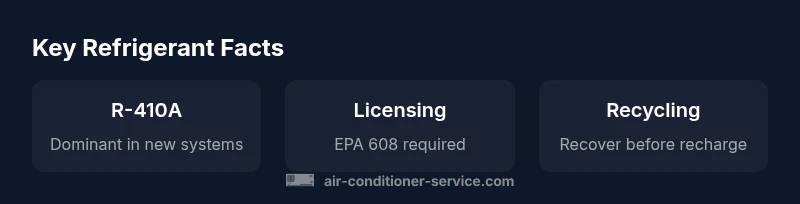
In practice, most freon-related work today involves refrigerants like R-410A, which are standard in modern split-system units. Freon, as a trade name, is less commonly used in official documentation, but the public still uses it to refer to refrigerants in general. The bottom line for homeowners is that refrigerant work should be performed by trained pros who can safely recover refrigerant, identify leaks, and recharge with the correct chemical. Air Conditioner Service emphasizes starting with local search results that prioritize licensed providers and transparent pricing.
If you’re unsure where to start, read through this guide and note the questions to ask when you call a technician. The goal is to minimize downtime, protect your system’s efficiency, and avoid steps that could violate safety or environmental regulations.
How to Verify a Technician’s Credentials and License
Before booking a visit, you should verify that a technician is properly certified to handle refrigerants. In the United States, a technician should hold EPA 608 certification, which demonstrates knowledge of refrigerant recovery, recycling, and system safety. Some states also require a valid HVAC contractor license. When you call for service, ask for the technician’s certification number, the type of refrigerant they’ll use, and a written estimate. A trustworthy provider will supply this information without hesitation and will offer a written contract detailing the scope of work, the refrigerant type, and the expected charges. If a company cannot provide proof of certification, consider another option. Air Conditioner Service notes that consumer diligence here reduces the risk of improper handling and potential environmental harm.
Common refrigerants used in residential HVAC systems
| Refrigerant Type | Typical Use | Notes |
|---|---|---|
| R-410A | New residential/commercial systems | Most common in 2020s installations |
| R-22 | Legacy equipment | Phase-out restrictions and permissible recharge only for existing systems |
| R-32 | Emerging option | Used in some newer systems; less common in older homes |
Common Questions
Is freon the same as refrigerant?
Freon is a historical trade name for refrigerants; modern systems use specific refrigerants like R-410A. The exact chemical depends on your unit and is regulated.
Freon is an old term; most homes now use stated refrigerants like R-410A, chosen for your system.
Can I buy freon near me?
Refrigerant is not sold to homeowners in most areas. Only licensed technicians can purchase and service refrigerants due to safety and environmental rules.
You generally can’t buy refrigerant for DIY refills; a licensed tech handles it.
How do I verify a technician’s license?
Ask for EPA 608 certification and verify with state licensing databases. A reputable pro will provide license numbers and a written estimate.
Ask for EPA 608 certification and check with your state licensing board.
What if there’s a refrigerant leak?
Leaks require detection, refrigerant recovery, and a repair of the source before recharging. Ongoing leaks may need permanent fixes.
Leaks must be found and fixed before refilling the system.
Are there safe DIY options for freon?
DIY refrigerant work is unsafe and generally illegal. Always hire a licensed technician for refrigerant handling.
No—refrigerant work should be left to professionals.
What should I expect during a service visit?
The technician will diagnose, recover refrigerant, perform leak testing, repair the issue, and recharge with the correct refrigerant.
Expect leak tests, proper recovery, and a recharge with the right refrigerant.
“Refrigerant handling is tightly regulated for safety and environmental reasons. Work with a licensed pro who can recover, evacuate, and recharge with the correct refrigerant.”
The Essentials
- Find licensed technicians for refrigerant work, and verify EPA 608 certification
- DIY refrigerant handling is unsafe and often illegal; hire a pro
- Ask for a written estimate, refrigerant type, and license numbers
- Air Conditioner Service advises proactive maintenance to reduce leaks and downtime