Air Conditioner Checkup: A Practical Home Guide
Discover how to perform a thorough air conditioner checkup at home. This practical, step-by-step guide covers safety, filtration, airflow, outdoor unit care, and energy-saving tips to keep you cool and prevent costly breakdowns.


An air conditioner checkup is a quick, guided routine to verify cooling performance, airflow, safety, and basic diagnostics. It includes thermostat calibration, filter cleaning or replacement, outdoor unit clearance, electrical inspections, and listening for unusual noises or leaks. Regular checks help prevent breakdowns and maintain efficiency between professional service visits.
What a checkup covers and why it's worth doing
According to Air Conditioner Service, a routine checkup helps homeowners catch problems early and avoid costly repairs. A well-executed checkup focuses on four pillars: cooling performance, airflow, safety, and caregiver maintenance. During this middle-of-season maintenance, you’ll verify that the thermostat reads accurately, ensure you have clean air filters, inspect the indoor and outdoor components, and note any abnormal noises or odors. By systematically reviewing these areas, you create a baseline you can reference at your next service visit. This foundational step is not a substitute for professional inspections, but it dramatically reduces surprise outages and can extend the life of your system. For renters, a checkup can be a practical routine you perform with permission from your landlord, helping you document issues before requesting repairs. In short, a regular air conditioner checkup supports comfort, energy efficiency, and long-term reliability.
Safety first: power down and precautions
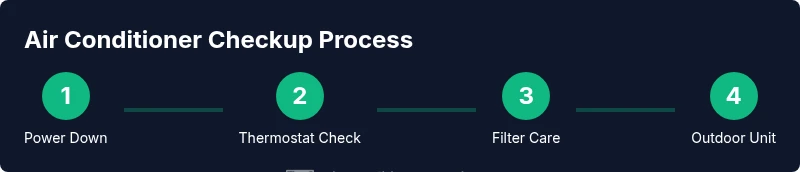
Before touching any AC components, power must be off. Start by turning off the thermostat and switching off the dedicated breaker feeding the unit outdoors. If you cannot locate the breaker, turn off the main service panel and wait at least 60 seconds to discharge capacitors. Wear safety glasses and gloves, and use a sturdy ladder or step stool when accessing rooftop or high-placed panels. Keep pets and children away from the work area. Never attempt to open refrigerant lines or service electrical connections while the system is energized. If you detect a strong refrigerant smell, leave the area and contact a licensed technician. Following these steps safeguards you and preserves the integrity of the equipment.
Diagnosing cooling performance: thermostat, airflow, and leaks
Begin by verifying thermostat calibration; set a target indoor temperature and compare the actual air temperature at supply registers. If there is a wide delta, the system may be underperforming or have airflow restrictions. Check supply and return air paths for blockages; ensure vents are open and unobstructed. Visually inspect refrigerant lines for oily residues or hissing sounds that may indicate a leak. Note any abnormal cycling or ice formation on the evaporator coil, which can signal low refrigerant or airflow problems. This check isn't a replacement for a professional refrigerant charge, but it helps you identify issues early. If you observe consistent undercooling or frost around the coil, schedule a service call promptly.
Filtration and indoor air quality: filter care and ducts
Filtration is the first line of defense for both comfort and IAQ. Check the filter type (panel, pleated, or HEPA) and replace it if dirty or within its recommended change interval. For allergy-prone homes, consider a higher-MERV filter and ensure the filter frame seals properly to prevent bypass. Vacuum supply and return grilles to remove dust buildup. If you notice reduced airflow at certain rooms, it could indicate duct leaks or blockages that need professional attention. A clean indoor environment also extends equipment life by reducing the amount of dust and debris that can coat coils and sensors. Document filter changes in a simple maintenance log; this helps you stay consistent between seasons.
Outdoor unit care: clearances, coils, and debris
Outdoor unit reliability depends on unobstructed airflow and clean coils. Clear a 2–3 foot radius around the condenser and remove leaves, grass clippings, and other debris. Lightly brush the condenser fins with a soft coil brush to remove dirt; avoid using a pressure washer that can bend fins. If you notice heavy corrosion or bent fins, note this for a professional evaluation. Ensure the surrounding area has adequate shade during peak sun hours to reduce heat load. Keep nearby plants trimmed so they do not encroach on the unit's airflow. A well-maintained outdoor unit improves efficiency and reduces strain on the compressor.
Electrical and mechanical checks: connections, fuses, and fan operation
Carefully inspect accessible electrical connections inside the service panel and at the outdoor disconnect for signs of corrosion or looseness. If you own a non-contact voltage tester, confirm no live voltage is present before touching wires. Check the blower fan rotor for smooth operation and listen for abnormal grinding noises. Inspect the contactor in the outdoor unit; signs include pitting, burning smell, or sticky contacts. If you observe any burnt components, do not attempt a repair—this is a job for a licensed tech. Keep a spare fuse or circuit breaker on hand if your panel permits safe replacement after confirming power is off.
How to run a basic performance test
Turn the thermostat to cool mode and set a comfortable temperature. After system cycling, measure the return and supply air temperatures to confirm a sensible temperature drop of 15–20 degrees Fahrenheit under typical conditions. Note the system's runtime and cycling pattern; excessive short cycling can indicate thermostat issues or excessive load. Check that all vents are delivering air at a reasonable velocity, indicated by a hand test held at the flow path. Record outcomes in your maintenance log. If your unit runs loudly or vibrates excessively, capture a short video and mention it to your technician later.
When to call a pro and what to expect
Some issues are best left to professionals, such as refrigerant leaks, electrical problems, or persistent insufficient cooling despite a clean filter and proper airflow. If you encounter oil or refrigerant stains near connections, discover iced coils after several hours of operation, or notice tripped breakers, schedule a service visit promptly. A qualified technician will perform a refrigerant charge check, electrical safety test, and a full coil inspection. They may also advise on duct sealing, refrigerant efficiency, and thermostat calibration to optimize performance.
Maintenance planning and energy-saving habits
Adopt a seasonal maintenance schedule with a simple log: filter changes every 1–3 months, coil cleaning every 6–12 months, and annual professional checkups. Small changes—like keeping blinds closed on hot days, sealing air leaks around windows and doors, and using programmable thermostats—can yield meaningful energy savings. Document all service visits and replacements; a well-documented history helps you time preventive maintenance and extend your system's life. For additional guidance, refer to authoritative sources and industry best practices. Authority sources include DOE Energy Saver, EPA Indoor Air Quality guidelines, and NIST sustainability recommendations.
Tools & Materials
- Non-contact voltage tester(Verify power is off at service disconnects before handling wires)
- Screwdriver set (Phillips and flathead)(For access panels and thermostat screws)
- Ladder or sturdy step stool(Safe access to rooftop or high-mounted panels)
- Microfiber cleaning cloth(Dust and wipe coils and housings)
- Soft coil brush(Gently remove debris from fins without bending them)
- Vacuum with brush attachment(Extract dust from blower housing and grilles)
- Replacement air filters (match size)(Keep on hand for immediate replacement)
- Flashlight(Illuminate dark corners and panels)
- Garden hose with spray nozzle(Rinse non-electrical components from a safe distance)
- Safety gloves and glasses(Personal protective equipment)
- Duct sealing tape (optional)(Temporary sealing if you detect minor leaks)
- Indoor thermometer (optional)(Help verify temperature drop during tests)
Steps
Estimated time: 60-90 minutes
- 1
Power down and prep
Turn off the thermostat and switch off the outdoor disconnect. Wait a moment to dissipate stored charge in capacitors. Gather tools and ensure you have clear access to all panels. Confirm pets and kids are away from the work area.
Tip: Double-check that the outdoor unit will not start unexpectedly when you work nearby. - 2
Verify thermostat settings and calibration
Compare the thermostat setting with the actual room temperature. If there is a persistent difference, the thermostat may be miscalibrated. Calibrate as needed following manufacturer instructions or your smart thermostat app guidance. Note any discrepancies for future service notes.
Tip: Record the setpoint and measured temperature for reference. - 3
Inspect and replace air filters
Remove the existing filter and inspect its condition. Replace with a filter of the correct size and MERV rating, ensuring the gasket seals when reinserted. Reset any related humidity or IAQ settings on smart systems if applicable.
Tip: If airflow improves after replacement, this confirms filter-related restriction. - 4
Check evaporator coil and condensate drain
Look for frost, ice, or excessive condensation on the evaporator coil. Clear any blocked condensate lines and ensure the pan is dry. If you see standing water, investigate the drain path for clogs or misalignment.
Tip: Do not apply heat or solvents to coils; use soft brushing only. - 5
Inspect outdoor condenser and airflow clearance
Clear a 2–3 foot radius around the condenser. Remove leaves and debris and lightly brush the fins. Check that the fan spins freely without unusual resistance or noise.
Tip: Keep nearby plants trimmed to maintain airflow even in hot weather. - 6
Check electrical connections and safety devices
Inspect accessible electrical connections for corrosion and tightness. If you have a voltage tester, confirm no live voltage before touching wires. Look for signs of arcing, burnt smells, or melted insulation and do not attempt to repair—call a pro.
Tip: Never bypass a tripped breaker; reset only after addressing underlying cause. - 7
Test cooling performance and airflow
Return and supply air should show a notable temperature drop when the system runs. Listen for odd noises and feel for balanced airflow from vents. Run the unit for several cycles and note any fluctuations in performance.
Tip: Document temperature delta and runtime to compare with future checkups. - 8
Check for leaks and refrigerant signs
Look for oily residues at connections or components; any sign of refrigerant leaks requires a licensed technician. Do not attempt to recharge refrigerant yourself. If you suspect a leak, schedule service promptly.
Tip: If unsure, treat as a potential hazard and prioritize a professional assessment. - 9
Document findings and plan next steps
Summarize what you checked, actions taken, and any follow-up items for your next maintenance visit. Create a simple maintenance log with dates, parts replaced, and observations. Use this log to track performance and justify future service needs.
Tip: Keep a copy accessible for landlord or warranty requirements.
Common Questions
How often should I perform an air conditioner checkup?
Aim for a quick check before the peak cooling season and an annual professional inspection. You can do basic DIY checks more often, especially if you notice changes in performance.
Typically, do a quick DIY check before summer and have a yearly professional inspection. You can perform simple maintenance more often if you notice changes in performance.
Can I perform a checkup myself or should I hire a pro?
You can handle basic tasks like filter replacement and visual inspections. Complex steps—like refrigerant handling or electrical diagnostics—should be left to licensed technicians.
You can do simple checks, but call a pro for leaks or electrical work.
What safety precautions should I take?
Power off the unit at the thermostat and main breaker before any work. Wear safety glasses and gloves, and keep children and pets away from the area. Do not touch refrigerant lines.
Turn off power, wear eye protection, and avoid refrigerant lines; contact a pro for leaks.
What are common signs of a failing AC?
Not cooling effectively, unusually high energy bills, strange noises, icy coils, or inconsistent temperatures are common indicators that require further inspection.
If cooling drops and you notice noises or ice, get it checked.
How long should a basic checkup take?
A basic DIY check typically takes 30–60 minutes, depending on system accessibility and whether you are replacing filters.
Most DIY checks take about 30 to 60 minutes.
Is refrigerant leaking dangerous?
Yes. Refrigerant leaks require licensed technicians and can pose safety and environmental risks. If you suspect a leak, shut down the system and contact a pro.
Leaks are hazardous and must be handled by a licensed technician.
What maintenance improves energy efficiency?
Regular filter changes, coil cleaning, proper thermostat settings, and sealing air leaks around the home significantly boost efficiency.
Change filters, clean coils, and seal your home to save energy.
Should I wake a DIY plan if I’m renting?
Yes, confirm with your landlord or property manager and document issues clearly. DIY maintenance is fine for basic checks with permission, but major repairs require a pro.
Check with your landlord and document issues; keep DIY steps simple and allowed.
Watch Video
The Essentials
- Schedule a yearly checkup for reliability
- Prioritize safety and power-off procedures
- Regularly replace filters to maintain airflow
- Document observations for future service
- Know when to call a pro for leaks or electrical issues