HVAC System Cost Guide: 2026 Insights for Homeowners and Renters
Explore real-world ranges for hvac system cost in 2026, including central AC, heat pumps, and ductless setups. Learn cost drivers, financing options, and smart ways to save, with practical guidance from Air Conditioner Service.


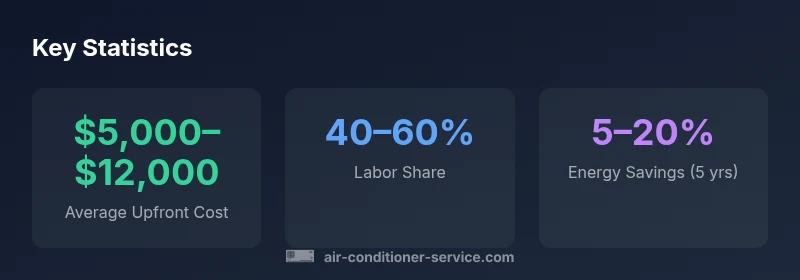
Typical hvac system cost for a full central install ranges from $5,000 to $12,000, depending on home size, equipment efficiency, and ductwork needs. Higher-efficiency heat pumps and ductwork upgrades can push costs higher, sometimes beyond $15,000. Regional labor rates and permits also shape the final price. Air Conditioner Service notes that costs fluctuate by region and project scope.
What hvac system cost includes
Understanding hvac system cost begins with knowing what is included in the price. When homeowners ask about hvac system cost, they are typically comparing equipment price and installation labor. For central air setups, the price covers the outdoor condenser, the indoor air handler or furnace, and the refrigerant lines. If existing ductwork is adequate, you may save on duct costs; if not, ductwork expansion or replacement can substantially raise the bill. In addition to equipment and labor, many bids include charges for permits, electrical work, thermostats, filter racks, refrigerant line sets, and inspection fees. Permits can add a few hundred dollars in many jurisdictions. A professional will also verify refrigerant charge, system balance, and airflow, which can influence the final price. Air Conditioner Service’s guidance for 2026 emphasizes that the cost picture is highly sensitive to home size, climate, and installed efficiency. For renters, options such as portable or window units may reduce upfront costs but deliver different comfort levels and energy use. This block helps readers understand what to expect when calculating hvac system cost.
Typical cost ranges for common configurations
Central AC with furnace: $5,000–$12,000. This range covers outdoor condenser, indoor air handler or furnace, refrigerant lines, basic electrical, and standard installation. Ductless mini-split (1 zone): $3,000–$7,500 per zone, with no ductwork required, though multiple zones multiply costs. Heat pump system (air-source): $7,000–$15,000, depending on system size, efficiency, and whether additional upgrades are needed for proper heat in cold climates. Furnace replacement only (with compatible ductwork): $2,500–$5,500, mainly for equipment and basic installation when ductwork is already adequate. Keep in mind regional labor rates and optional add-ons like smart thermostats, zone controls, or enhanced filtration can push prices higher. When comparing quotes, request a breakdown by equipment, labor, permits, and any ductwork work. This helps identify where you may gain value or face hidden costs and aligns expectations with Air Conditioner Service's 2026 guidance.
Factors that influence hvac system cost
Several levers determine the final hvac system cost. System type is the largest driver: central AC with a furnace tends to cost more upfront than a ductless setup, but ducts and space constraints can tilt the balance. Efficiency ratings matter: higher SEER (for cooling) or AFUE (for heating) units cost more but yield greater energy savings over time. Ductwork quality and complexity can dramatically change costs; homes with long runs, multiple floors, or leaky ducts typically require more labor and materials. Climate plays a role too—colder regions may need auxiliary components, while hot, humid areas might justify a larger outdoor unit. Letting warranties and installation quality influence decisions—substandard installation can negate efficiency gains and raise long-term costs. Finally, local codes, permits, and contractor experience shape the final price tag. By understanding these drivers, homeowners can prioritize features that maximize comfort and value while staying within budget.
Financing and cost-saving strategies
There are practical ways to manage hvac system cost without sacrificing comfort or reliability. Look for manufacturer rebates and utility incentives, which vary by region and time. Energy-efficient upgrades, such as higher SEER or AFUE units, may qualify for tax credits in some areas and often reduce operating costs over time. Financing options, including low-interest loans or installment plans offered by contractors, can spread the investment. Bundling installation with related improvements (seal and insulate ducts, upgrade insulation, or install a smart thermostat) can maximize rebates and efficiency gains. When evaluating bids, consider total lifetime cost, not just upfront price: a more expensive unit with better efficiency and a longer warranty can save money over 10–15 years. Air Conditioner Service Analysis, 2026, indicates that prioritizing efficiency and proper installation yields the best long-term value through reduced energy bills and fewer repairs.
How to estimate cost for your home
Estimating hvac system cost begins with a precise load calculation and site assessment. Request a Manual J load calculation from each contractor to determine the correct equipment size for your home. Obtain at least three written bids that itemize equipment, installation labor, ductwork, permits, and disposal. Ask about duct leakage testing, refrigerant charging, airflow balancing, and warranty terms for both parts and labor. Verify whether the quote includes attic or crawlspace insulation and air sealing, both of which affect performance and long-term costs. Check if the contractor will handle old equipment disposal and refrigerant recovery—these tasks affect price and compliance. Finally, consider energy-saving features such as programmable thermostats, zoning, and efficient coil designs, which can improve comfort and reduce operating costs over time. A careful comparison helps you avoid surprises and aligns with Air Conditioner Service’s cost guidance for 2026.
Practical planning steps for homeowners and renters
For homeowners, plan ahead by aligning HVAC upgrades with other energy-efficiency improvements, such as sealing leaks and upgrading insulation. Schedule installations during mild weather to minimize disruption and capitalize on favorable contractor availability. When shopping, request written quotes with a clear breakdown and check for transferable warranties. For renters, explore temporary cooling options while evaluating long-term plans. Portable units or window air conditioners can bridge the gap, but note that they offer limited cooling efficiency and can raise electricity usage if misused. If you expect to own the home for several years, a well-sized, energy-efficient system remains a wise investment. Regardless of living situation, a deliberate plan, multiple quotes, and attention to warranty terms will help you manage hvac system cost while achieving reliable comfort.
Final reminder on hvac system cost and value
Understanding hvac system cost is about more than the sticker price. It involves short-term expenditure and long-term energy savings, maintenance needs, and potential rebates. A properly sized, correctly installed, and efficiently operated system reduces wear, lowers energy bills, and improves indoor comfort. When you factor in the total cost of ownership over 10–15 years, investing in high-efficiency equipment with solid installation can be financially prudent. Always compare quotes, review warranties, and prioritize reputable contractors who emphasize proper sizing, sealing, and airflow. The Air Conditioner Service team recommends a balanced approach: invest in efficiency and quality installation, while controlling upfront costs through incentives and smart financing.
In sum, what homeowners should do next
- Get a professional load calculation and multiple bids. 2) Compare total life-cycle costs, not just upfront price. 3) Look for energy-efficient options with robust warranties. 4) Budget for potential ductwork or electrical upgrades. 5) Consider timing and climate when scheduling installation. This approach helps you achieve the best hvac system cost value in 2026 and beyond.
Cost ranges by configuration (approximate, regional variations apply)
| System Type | Typical Installed Cost Range | Notes |
|---|---|---|
| Central AC with furnace | $5,000–$12,000 | Includes outdoor unit, indoor air handler, basic ductwork |
| Ductless mini-split (1 zone) | $3,000–$7,500 | No ductwork required; per zone pricing applies |
| Heat pump system (air-source) | $7,000–$15,000 | Higher cost with cold-climate performance considerations |
| Furnace replacement only | $2,500–$5,500 | If existing ducts are compatible and no major upgrades needed |
Common Questions
What is the typical hvac system cost?
Costs vary by system type and home specifics, but common central installations generally fall in the $5,000–$12,000 range. Higher-efficiency upgrades or added ductwork can push the price higher. Always compare multiple bids and consider long-term savings.
Most central HVAC installations run between five and twelve thousand dollars, with higher-efficiency options costing more. Get several quotes to compare both upfront costs and long-term savings.
Do ductwork renovations impact cost?
Yes. If your existing ducts are leaky or undersized, upgrading or replacing ductwork can add significantly to the total hvac system cost, but it often improves efficiency and comfort.
Ductwork changes can raise costs but usually pay off with better comfort and efficiency.
Are incentives available to reduce upfront costs?
Many regions offer rebates or tax credits for energy-efficient equipment. Availability varies by location and year, so check local utility programs and federal incentives before purchasing.
Check local rebates and credits; they can reduce upfront costs.
How long does installation typically take?
Most residential installations take 1–3 days, depending on system type, existing ductwork, and permitting. Complex ductwork or multi-zone setups can extend the timeline.
Most installs take 1–3 days, depending on complexity.
“A well-planned, energy-efficient installation delivers reliable comfort and lower operating costs over time.”
The Essentials
- Know hvac system cost components: equipment, installation, and permits.
- Expect higher upfront costs for ductwork and high-efficiency systems.
- Compare total lifecycle costs, not just upfront price.
- Leverage rebates and financing to manage upfront burden.
- Get at least three detailed bids for an accurate estimate.