How to Fit an Air Conditioner in a Window: Step-by-Step Guide
Master window AC installation with our step-by-step guide. Learn sizing, mounting, sealing gaps, and testing to ensure safe, efficient cooling in minutes.


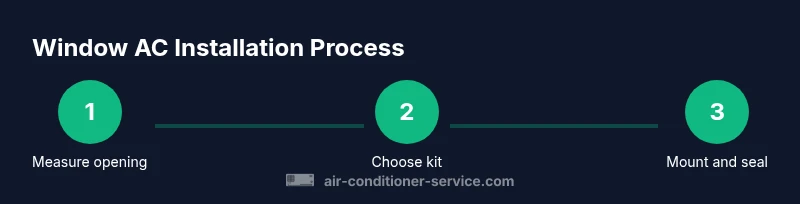
According to Air Conditioner Service, this step-by-step guide teaches you how to fit an air conditioner in a window safely and correctly. You’ll assess window size, prepare the opening, install brackets, mount the unit, seal gaps, and test operation. You’ll need a helper, a proper window kit, a level, screwdriver, and safety gloves.
Why Window-Fit Requires Care and Preparation
Fitting an air conditioner in a window is a practical DIY task, but it comes with safety and performance considerations. A poor fit can create air leaks, reduce cooling efficiency, and place unwanted stress on the window frame. This section explains why careful preparation matters, how the right window kit and accurate measurements prevent common problems, and how following best practices supports long-term reliability. According to Air Conditioner Service, many failures stem from undersized brackets, mismatched sash, or gaps that let warm air bypass the unit. With a thoughtful plan, you’ll improve comfort and keep your home safer while you work.
Choose the Right Window Kit and Unit Size
Your window kit is more than a few brackets; it’s a complete enclosure that includes brackets, side panels, fastening screws, and weatherstripping designed to fit your window type and equipment. Start by measuring the window opening and comparing it against the AC’s width and depth as specified by the manufacturer. Avoid adapters that compress the unit or block airflow. Air Conditioner Service notes that a properly sized kit not only holds the unit securely but also minimizes energy loss by sealing gaps effectively. If your window is nonstandard, look for a universal kit with adjustable panels and an extended sill plate.
Preparing the Window and Surroundings
Clear the work area, remove the window screen, and set up ample space for lifting the unit. Remove any fragile blinds or curtains that could snag the unit during installation. Wear protective gloves and keep children and pets away from the workspace. Check the window sash for smooth operation and confirm that the track slides freely. This prep stage helps prevent pinch points and makes subsequent steps safer and faster.
Attaching Mounting Brackets and Testing Alignment
Follow the kit instructions to attach mounting brackets to the window sash. The brackets should be positioned to balance the AC’s weight and align with the screw holes on the unit. Use a level to ensure the brackets are straight, since an off-kilter unit will tilt, leak, or strain the sash over time. Tighten screws securely without overtightening, which could strip the wood or plastic components. Air Conditioner Service reinforces that precise alignment reduces tilting and improves seal integrity.
Inserting the AC and Aligning Level in the Window
With a helper, lift the AC unit and place it into the window opening. Center the unit in the sash so its front edge is evenly exposed on both sides and the cable exits on the correct side. Use a level again to verify the unit sits straight from front to back. If the unit appears tilted, adjust the brackets or add shims until it’s level. Proper alignment helps ensure efficient cooling and avoids stress on the window frame.
Installing Side Panels, Flange, and Sealing Gaps
Install the side panels and any flange pieces that come with the kit to fill the gaps between the unit and the window frame. Use weatherstripping or foam insulation to seal small gaps around the unit’s sides and top. The goal is to minimize airflow losses and reduce the chance of leaks when doors or windows are opened and closed. Always follow the kit’s instructions for the recommended sealant type and application method. The result is a clean, tight fit that improves energy efficiency.
Final Fastening, Testing, and Safety Checks
Secure all screws, ensure the unit remains level, and recheck that the window sash operates smoothly. Reconnect any power cord, plug in the unit, and run a quick cooling test to listen for vibrations or unusual noises. Check for visible gaps around the perimeter and verify that weatherstrips stay in place during operation. A stable, sealed installation helps prevent water intrusion and drafts.
Safety Tips and Common Mistakes to Avoid
Always wear protective gloves and lift with proper posture; window ACs are heavy and awkward to handle. Do not force the sash closed if the unit protrudes; instead, adjust the mounting hardware or use longer brackets. Avoid cheap, ill-fitting kits that force the unit and create air leaks. If you’re renting or have a nonstandard window, consult a professional to avoid property damage or safety issues.
Maintenance and Aftercare: Keeping Your Window AC Running Well
Periodically inspect the seal around the unit, clean or replace filters as recommended, and check the power cord for wear. Keep the window opening free of debris that could affect airflow, and recheck alignment after a heavy wind or exterior impact. Regular maintenance protects performance and prolongs the life of your installation.
Tools & Materials
- Window air conditioner installation kit(Includes mounting brackets, side panels, screws, weatherstripping)
- Tape measure(Measure window width and unit width; record in inches)
- Level(Ensure brackets and unit sit perfectly horizontal)
- Screwdriver set (Phillips and flat-head)(Typically size #2 Phillips; have flat-head for brackets)
- Utility knife(Trim foam or tape as needed)
- Foam insulation or weatherstripping(Seal gaps around sides/top for efficiency)
- Protective gloves(Protect hands from sharp edges)
- Helper or second person(Window ACs are heavy; one person rarely suffices)
- Masking tape(Optional for temporary hold and alignment)
Steps
Estimated time: 60-90 minutes
- 1
Measure window opening and unit width
Take precise measurements of the window opening and compare them to the AC's width and depth. Record any obstructions and ensure there is space for the mounting brackets. Confirm the sash can fully open and close with the unit in place.
Tip: Double-check manufacturer specs for the exact dimensions and clearance. - 2
Gather tools and prepare the area
Lay out all tools and kit components. Clear the floor and remove the window screen. Have a helper ready to assist with lifting and alignment, reducing the risk of injury.
Tip: Preassemble parts on a flat surface to speed up the process. - 3
Remove obstacles and prep sash
Take down any blinds or curtains that might snag the unit. Inspect the sash tracks and ensure they slide smoothly. Wipe away dust and debris to allow the brackets to seat properly.
Tip: If the sash sticks, apply a small amount of silicone spray to the tracks. - 4
Attach mounting brackets
Position brackets on the sash at the manufacturer-recommended spots. Use a level to confirm straight alignment. Secure firmly without overtightening to avoid damage.
Tip: If bolts require pilot holes, drill small guides first. - 5
Place the AC into the window
With a helper, lift the unit and guide it into the window opening. Center it in the sash and ensure the power cord exits the correct side. Check alignment front-to-back and adjust with shims as needed.
Tip: Keep the cord away from the edge to prevent pinching. - 6
Install side panels and seal gaps
Attach side panels and any flange pieces. Apply foam insulation or weatherstripping to seal gaps. Ensure a tight fit without compressing the unit.
Tip: Follow kit instructions for the specific sealant recommended. - 7
Final fastening and safety check
Tighten all screws, verify level, and recheck sash operation. Plug in the unit and run a test cycle to listen for vibrations. Look for gaps that widen with movement.
Tip: If vibrations persist, re-check bracket alignment and tighten accordingly. - 8
Test operation and finish
Run the unit on cool for several minutes to confirm proper airflow and cooling. Inspect for any leaks around the perimeter and ensure weatherstripping remains intact during use.
Tip: Document the setup in case you need to reinstall elsewhere later.
Common Questions
What window types are compatible with window AC installation?
Most standard double-hung or sliding windows can accept a window AC with a proper mounting kit. Nonstandard openings may require a universal kit or professional help. Always check the manufacturer's guidelines for your specific unit.
Most standard windows work, but check your unit's guidelines first and consider professional help for nonstandard openings.
Do I need a window kit for a secure fit?
Yes. A window kit provides brackets, side panels, and seals that keep the unit stable and prevent air leaks. Using the wrong kit can cause unsafe operation and reduce efficiency.
Yes. A proper window kit is essential for stability and efficiency.
Can I install without professional help?
Many homeowners install window AC units themselves using a ready-made kit. Ensure you follow the instructions, have a helper, and observe safety practices. If you lack space or confidence, seek assistance.
DIY is possible with help and careful attention to safety.
How do I seal gaps around the unit?
Use foam insulation or weatherstripping around the sides and top of the unit. Avoid over-compression; seal evenly to prevent air leaks while allowing normal sash movement.
Seal gaps with appropriate foam or weatherstripping, not too tight.
Is window AC installation safe for renters?
Renters can install window AC with consent from the landlord and using a reversible kit that won’t damage the window frame. Avoid permanent alterations.
Check lease terms and use non-permanent methods.
What if the window doesn’t close fully after installation?
Reassess bracket placement, level, and side panels. If the unit still prevents closing, remove it and adjust or consult a professional.
Adjust brackets or seek professional help if the sash won’t close.
Watch Video
The Essentials
- Measure carefully before buying a kit.
- Use the correct window kit with mounting brackets.
- Seal gaps to prevent energy loss.
- Keep the unit level for efficiency and safety.
- Test operation and safety after installation.