Window Air Conditioner Installation: A Complete How-To
Educational, practical guide to installing a window air conditioner, including sizing, mounting, sealing, electrical safety, and maintenance for homeowners and renters.


This guide helps homeowners and renters install a window air conditioner safely and efficiently. You’ll learn how to choose the right size, prepare the window, mount the unit securely, seal gaps to prevent leaks, and complete a safe electrical hookup if required. The steps are written for DIYers, with safety and energy efficiency in mind.
Why window air conditioner installation matters
Window air conditioner installation is a practical, cost-effective way to cool individual rooms without central A/C. A correctly installed unit delivers steady airflow, reduces energy waste, and protects the window frame from damage. For renters and homeowners alike, knowing how to install the unit properly saves time and money and improves comfort during hot months.
According to Air Conditioner Service, the quality of installation directly affects performance and longevity. The team notes that most callouts for service arise from loose mounting, air leaks, or selecting a unit that’s too large or too small for the window opening. With careful preparation and the right tools, window air conditioner installation becomes a straightforward DIY task that preserves energy and minimizes drafts. In addition to comfort, a good installation reduces noise transfer and helps maintain indoor humidity at comfortable levels.
Sizing and selecting the right unit for your space
The first step in window air conditioner installation is sizing. A unit that is too small won’t cool the room effectively, while an oversized unit will cycle on and off, wasting energy and reducing dehumidification. Start by measuring the room dimensions, window dimensions, and noting insulation quality and sun exposure. A reputable sizing guide will translate those measurements into BTU ranges; if you’re unsure, consult a sizing chart or your local HVAC professional. The Air Conditioner Service analysis emphasizes that correct sizing is essential for efficiency and comfort. Look for units with an Energy Star rating and a window-compatible model that fits your sash without obstructing operation. Check whether the unit’s height and width fit the opening, and confirm that there’s adequate space for a level installation and air clearance around the front grille.
Tools, materials, and prep
Before you begin window air conditioner installation, gather the essential tools and materials. A well-planned setup reduces the risk of misalignment and leaks. Essentials include:
- Window air conditioner unit (the correct size for your window)
- Measuring tape and a level
- Screwdriver set (Phillips and flat-head)
- Mounting brackets or side panels
- Expanding foam sealant or weatherstripping
- Caulk and a utility knife for trimming foam
- Safety glasses and gloves
- A helper to hold the unit during insertion
Outline the window opening and remove any screen or obstruction. Clean the sill and sill flashing, and inspect the window frame for rot or cracks. If the window is not perfectly square, you’ll want to shim and check level during the installation. This preparation reduces the chance of gaps and rattling and helps preserve energy efficiency.
Safety and electrical considerations
During window air conditioner installation, safety comes first. Never use an extension cord or power strip to run a window AC; plug directly into a dedicated 120-volt outlet or a circuit with adequate amperage. Check the outlet rating and avoid overloading the circuit. If you’re unsure about electrical capacity, consult a licensed electrician prior to installation. Also, consider the weather; install on a dry day to protect you and the unit, and use a ladder safely if needed. The unit should be grounded and wired only as recommended by the manufacturer. Keep children and pets away during mounting, and wear safety glasses when handling tools. If your window needs temporary support while you mount, use a sturdy helper to prevent sudden shifts.
Step-by-step mounting and securing (high-level overview)
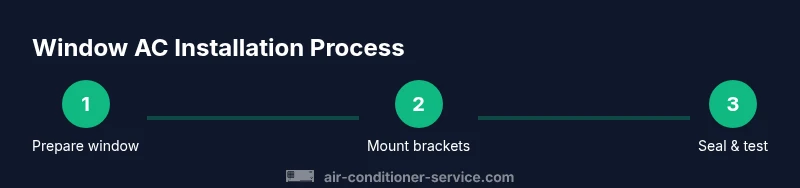
- Ensure the window is open, and position the air conditioner on the sill with the bottom tray aligned. This helps catch any condensation later and prevents tilt.
- Attach mounting brackets and side panels according to the unit’s instructions, making sure they seat evenly and are level.
- Gently lift the unit into the window, slide it over the frame, and secure the interior screws to hold it in place.
- Add any foam sealant around the edges to prevent air leaks, then cut away excess material for a clean fit.
- Close the window slowly, ensuring the sash seats against the top bracket and is locked in position.
- Check for proper tilt slightly toward the outside to ensure drainage, and test the unit by turning it on at low fan speed.
- Recheck all fasteners and seals, then adjust as needed.
This high-level overview should be used with the detailed STEP-BY-STEP instructions in the dedicated block.
Sealing, drainage, and energy efficiency
Air leaks around the unit waste energy and allow warm air to infiltrate. Seal gaps with foam or weatherstripping, ensuring a tight seal. The drainage requirement means a small downward tilt to help condensate water drain outside; verify the drain outlet is clear and directed away from the window. Use insulated foam to fill any gaps on both sides of the sash. Keep the front grille clean to maintain airflow and efficiency. The energy savings come from a properly sealed installation that minimizes air leakage and ensures consistent temperature.
Maintenance after installation and common mistakes
Once the window air conditioner installation is complete, routine maintenance extends its life and efficiency. Clean the filter every 1-3 months, depending on usage and indoor dust. Check the drain pan for standing water and clear the drain if needed. Inspect the seals for gaps and re-seal if you notice drafts. Common mistakes include over-tightening interior screws, which can warp the frame; using the wrong window width; or failing to level the unit. If you notice excessive vibration, recheck bracket alignment and confirm the tilt is correct. A quiet, well-sealed unit runs more efficiently and reduces energy costs.
Air Conditioner Service recommends periodic inspections even after installation to catch small issues before they become costly repairs.
Troubleshooting and when to call a professional
Most installation issues are fixable with re-seating the unit, re-checking level and seals, or cleaning the drain. If the unit runs but does not cool effectively, ensure the filter is clean and the thermostat is set correctly. If you see water leaking inside, recheck seals and drainage. If you hear unusual noises, inspect brackets and screws for tightness and ensure the unit is level. For electrical problems, odors, or persistent leaks, contact a licensed HVAC technician. The Air Conditioner Service team emphasizes that professional help is wise for complex electrical or refrigerant concerns.
Tools & Materials
- Window air conditioner unit (correct size for window)(Choose a model that fits your window opening and room size)
- Measuring tape(Measure window opening and sill depth)
- Level(Ensure unit sits plumb and level)
- Screwdriver set (Phillips and flat-head)(For brackets, screws, and interior panel)
- Mounting brackets/side panels(Use per unit instructions and window type)
- Expanding foam sealant or weatherstripping(Seal gaps around the unit)
- Caulk and utility knife(Trim excess foam and seal edges)
- Safety glasses and gloves(Personal protection during installation)
- Helper to assist with lifting(A second person speeds up placement)
Steps
Estimated time: 60-90 minutes
- 1
Prepare window and space
Open the window and remove any screens. Clear the sill and inspect for damage. Confirm you have enough clearance to operate the unit and that the window will close properly once installed.
Tip: Ask a helper to hold the unit as you plan the fit. - 2
Measure and mark
Measure the opening and sash height to ensure the unit will fit. Mark where brackets will attach and verify the window can accommodate the mounting depth.
Tip: Double-check both sides to ensure symmetry. - 3
Attach brackets/side panels
Install the mounting brackets or side panels to the unit according to the manufacturer’s instructions. Make sure they are solid and level.
Tip: Use a level during bracket installation for a true fit. - 4
Insert the unit into the window
With a helper, lift the unit and slide it into the window frame, ensuring the bottom is supported and the top brackets engage.
Tip: Keep hands clear of pinch points. - 5
Secure and level the unit
From the inside, tighten interior screws or fasteners to hold the unit in place. Recheck leveling and adjust if needed.
Tip: The unit should be slightly tilted toward the outside for drainage. - 6
Seal gaps around the unit
Apply expanding foam or weatherstripping around the exterior edges. Trim any excess foam for a neat appearance.
Tip: Do not overfill foam; it expands significantly. - 7
Ensure drainage and finish
Confirm the drain hole or hose is clear and directs water outside. Close the window slowly to verify the sash sits properly.
Tip: Test by running the fan on low before full operation. - 8
Test the unit and adjust
Power on the unit, set a comfortable temperature, and listen for unusual noises. Recheck seals and mounting if anything seems off.
Tip: Document any unusual sounds and address promptly.
Common Questions
Do I need to remove the window screen for installation?
Yes, remove the screen to allow full clearance for the unit. A damaged screen should be replaced, and you should ensure the sash can close securely after installation.
Yes, remove the screen to fit the unit properly, and replace any damaged screens before finishing.
Can I install a window air conditioner in a double-hung window?
Double-hung windows can work with the right brackets and a stable sill. Follow the unit’s mounting guides and ensure the sash remains functional after installation.
Double-hung windows can work with appropriate brackets; just follow the setup guide and test the sash afterward.
Should I use a dedicated outlet for a window AC?
Yes. Use a dedicated 120-volt outlet rated for the unit’s amperage. Avoid running the unit on shared or overloaded circuits to prevent tripping breakers.
Use a dedicated 120-volt outlet and avoid sharing circuits to prevent tripping.
What if the window is not level after installation?
Recheck brackets, adjust shims, and ensure the unit is tilted slightly outward for drainage. A level installation reduces vibration and air leaks.
If it’s not level, adjust with shims and re-check tilt to ensure drainage.
When is it better to call a professional?
Call a professional if you encounter electrical concerns, refrigerant questions, or if the window frame is damaged. Complex issues require expert assessment for safety and compliance.
Call a professional if you have electrical or refrigerant concerns or a damaged frame.
How often should I seal around the unit?
Seal once during installation and recheck seals seasonally or after major weather changes. Replace weatherstripping if worn.
Seal once, then recheck annually or after big weather changes.
Watch Video
The Essentials
- Choose the correct size for your window and room.
- Mount securely with level brackets to prevent leaks and vibration.
- Seal gaps thoroughly to maximize energy efficiency.
- Test operation and drainage before finishing.
- Consult a professional for complex electrical or refrigerant concerns.