Replace Air Conditioner Unit Cost: A Practical Budget Guide for 2026
A data-driven, practical guide to replace air conditioner unit cost, covering cost ranges, hidden fees, saving strategies, and contractor considerations for homeowners in 2026.


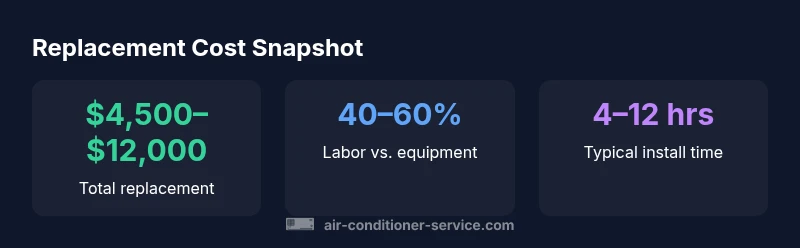
Typical total costs to replace an air conditioner unit range from $4,500 to $12,000, depending on system type, efficiency, and installation complexity. Central systems and high-efficiency models push toward the upper end, while smaller upgrades sit toward the lower end.
What determines replace air conditioner unit cost
The cost to replace an air conditioner unit is driven by three broad categories: equipment price, installation costs, and ancillary charges. Equipment price varies by system type (central, ductless mini-split, or window/through-wall), efficiency (SEER rating), size (tons or BTUs), refrigerant type, and brand. Higher-efficiency units typically cost more upfront but can reduce energy bills over time. Installation costs depend on labor rates in your area, the complexity of the project (for example, whether ductwork exists or must be modified, electrical upgrades are needed, or a new thermostat is installed), and permitting requirements. Ancillary charges include old equipment disposal, refrigerant handling, and potential duct cleaning or system balancing. According to Air Conditioner Service, the final price reflects both equipment choice and the local labor market, so variability is normal between regions and contractors. A well-done load calculation helps prevent oversizing and under-sizing, which can affect both comfort and cost.
Central AC vs. ductless vs. window: cost differences
Choosing between central air, a ductless mini-split, or a window unit fundamentally shifts the replacement cost. Central air generally commands the highest installed price due to equipment size, ductwork, and refrigerant lines running through the home; typical ranges place central replacement in the middle of the overall spectrum. Ductless mini-splits offer flexibility and energy efficiency, with costs increasing as the number of indoor zones rises. Window units are the most affordable replacement option but are best suited for smaller spaces or supplemental cooling. When budgeting, consider not just the sticker price but also long-term energy savings, potential rebates, and warranty terms, which Air Conditioner Service analysis suggests can tilt the overall value in favor of a higher upfront investment for some homes.
Hidden costs and how to estimate total project cost
Bottom-line estimates often miss factors that quietly inflate prices. Permits (where required) add a processing fee; electrical upgrades (breaker panels or wiring), new condensate and drainage considerations, and thermostat upgrades can add to the bill. Ductwork modifications or repairs to accommodate a larger or differently shaped system can substantially increase labor time. Refrigerant charges, system evacuation, and refrigerant type (R-410A, for example) influence both price and compliance costs. Disposal of the old unit and any required attic or crawlspace work can add hours to the project. To estimate accurately, request itemized quotes that separate equipment, labor, permits, and disposal, and ask for a written explanation of any blended line items.
How to save on replacement costs
Smart budgeting starts with shopping around and timing. Get at least three written quotes from licensed contractors and compare not just price but scope, warranty terms, and recommended equipment. Consider scheduling replacement in shoulder seasons to avoid peak demand pricing. Look for rebates or tax incentives for high-efficiency models, and factor in long-term energy savings when evaluating upfront costs. If your current unit has minor issues (refrigerant leaks, capacitor failures), weigh those repair costs against a full replacement. Homeowners who choose to bundle upgrades (like thermostat modernization or air handler upgrades) can sometimes secure bundled discounts. Finally, verify that the contractor dimensions the system correctly to avoid future inefficient operation that drives up energy bills.
Step-by-step approach to get an accurate quote
Begin with a professional load calculation (Manual J) to determine correct system size, then request a complete written proposal. A good quote includes equipment model numbers, SEER ratings, warranty details, installation scope, ductwork or electrical changes, permit fees, and disposal costs. Obtain quotes from at least three contractors and ask for side-by-side comparisons. Before signing, confirm the expected timeline, the installation plan (including any duct modifications), and post-installation testing procedures. Finally, verify that the quoted price remains valid for a reasonable window and that any change orders are documented in writing.
Myths and misconceptions about replacement costs
One common myth is that the most expensive unit automatically delivers the best comfort. In reality, efficiency and proper sizing matter more than sticker price alone. Another misconception is that all local permits are optional; some jurisdictions require them and failing to obtain permits can lead to delays or fines. Some homeowners assume that extended warranties always justify higher costs, but coverage varies by component and service interval. Finally, many believe that a single upfront payment covers all future maintenance—this is rarely the case. A transparent, detailed quote and a clear maintenance plan help avoid surprises.
What to include in a formal replacement quote
A robust quote should specify the exact equipment model, SEER rating, and efficiency data; the total installed cost broken down into equipment, labor, permits, and disposal; the expected timeline and any permits required; warranty coverage with terms for parts and labor; and post-installation testing and commissioning steps. It should also outline any recommended upgrades (electrical panel, ductwork, or thermostat) and their implications for cost and energy performance. If a contractor proposes a multi-day installation, request a contingency plan outlining how any delays would be handled and priced.
Maintenance and long-term costs after replacement
A new system’s long-term cost is shaped by maintenance practices. Regular filter changes, coil cleaning, and annual professional inspections help sustain efficiency and prevent component wear. A well-maintained system typically experiences fewer refrigerant issues, less frequent compressor problems, and longer life expectancy, which lowers long-term replacement risk. Budget for routine maintenance as part of a total cost of ownership evaluation, and explore extended warranties or service plans that cover major components. Consistent maintenance reinforces energy savings and can improve overall comfort in the home.
Planning your replacement timeline: practical next steps
Start with a 30- to 60-day plan that aligns with your climate, budget, and home needs. Create a shortlist of licensed contractors, gather three written quotes, and review warranties carefully. Use a checklist to compare equipment recommendations, installation scope, and post-install testing. If timing is flexible, aim to schedule during the off-season to potentially reduce costs and minimize disruption. After installation, document all warranties and keep a maintenance log to support future service decisions and potential resale value.
Replacement cost ranges by system type
| System Type | Typical Cost Range | Key Considerations |
|---|---|---|
| Central AC (2-4 ton) | $4,500–$12,000 | Ductwork, larger scale install, higher up-front cost |
| Ductless mini-split (1-3 zones) | $3,000–$15,000 | Per-zone pricing; multiple indoor units may raise cost |
| Window/Through-wall unit | $200–$800 | Low upfront cost; limited cooling for larger homes |
| Thermostat & controls (optional) | $100–$500 | Smart controls can improve efficiency |
Common Questions
What is the typical cost to replace an air conditioner unit?
Replacement costs vary by system type and efficiency, but most homeowners should expect a price range of several thousand dollars. Always get an itemized quote that separates equipment from labor and permits.
Costs vary by system type and efficiency; obtain at least three itemized quotes to compare equipment, labor, and permit fees.
Should I replace or repair my current AC?
Repairing a failing unit can be cost-effective if the damage is minor and the expected remaining life is substantial. If the unit is old, inefficient, or requires frequent repairs, replacement often offers better comfort and energy savings.
If the unit is old or unreliable, replacement may offer better long-term comfort and savings.
Do I need permits to replace an AC unit?
Permit requirements vary by locality; many jurisdictions require permits for outdoor condenser work and electrical adjustments. Your contractor should confirm and handle the permitting process as part of the project.
Check local rules—your contractor should handle permitting if required.
How long does replacement take?
Most replacements take a day or two, depending on system type and any required duct or electrical work. Complex installs can extend to several days.
Usually a day or two, but complex jobs may take longer.
Are there rebates or tax credits for replacement?
Rebates and credits depend on the model, efficiency, and location. Check federal and state programs as well as utility rebates; your installer can help identify eligible options.
Look for rebates or tax credits based on high-efficiency models in your area.
How should I finance replacement costs?
Many contractors offer financing or work with third-party lenders. Compare interest rates, terms, and any prepayment penalties, and consider long-term savings when evaluating monthly costs.
Ask about financing options and compare terms to fit your budget.
“A well-sized, properly installed system yields the best value, balancing up-front cost with ongoing energy savings and reliable comfort.”
The Essentials
- Get multiple quotes to compare total cost.
- Consider long-term energy savings alongside upfront price.
- Ask for itemized quotes and clear warranties.
- Include permits and disposal in your budget.
- Plan replacement timing to balance price and disruption.