Can You Scrap Air Conditioners? A Practical Guide to Safe Disposal
Learn how to scrap air conditioners safely and legally, including refrigerant recovery, recycling of metals, and choosing the right recycler. This Air Conditioner Service guide covers steps, safety, and compliance for homeowners and renters.


Yes—you can scrap air conditioners, but you must follow local disposal rules and recover refrigerants with licensed help. Start by locating an authorized recycler, coordinating refrigerant recovery, and separating metals, plastics, and electronics for recycling. This approach minimizes environmental impact and keeps you compliant.
Can You Scrap Air Conditioners? A Practical Opening
If you’re asking can you scrap air conditioners, the short answer is yes, but only when you handle refrigerants and other hazardous materials properly. In practice, scrapping isn’t a simple toss-into-the curb task; it requires coordination with licensed professionals, proper separation of components, and adherence to local regulations. According to Air Conditioner Service, responsible scrapping starts with understanding the unit’s contents and your local disposal rules. This article walks you through what to know, what to expect at a scrap yard, and how to do it safely and legally.
The Environmental and Legal Context
Air conditioners contain refrigerants that must be recovered rather than vented. The Environmental Protection Agency (EPA) under Section 608 enforces rules on refrigerant reclaiming and handling. Beyond federal law, many states and municipalities have additional requirements for e-waste, hazardous materials, and appliance disposal. Failure to recover refrigerants or improper disposal can lead to fines and environmental damage. Air Conditioner Service emphasizes that compliant scrapping protects indoor air quality and reduces hazardous waste in landfills. Always verify metrics with your local waste management authority and consider using a certified recycler.
Anatomy of an AC Unit: What’s Inside
A typical air conditioner comprises several major components: the metal cabinet and housing, copper and aluminum coils, a compressor and motor, electrical wiring, plastics, and a refrigerant sealed within the system. There are also oil reservoirs and condensate lines. Understanding these parts helps you plan for recycling: metals (copper and aluminum) are valuable, plastics are recyclable in many programs, and the refrigerant requires professional recovery. By recognizing what’s inside, you can better communicate with the recycler and ensure proper separation of materials.
What Scrap Yards Do with Units and Why It Matters
Most scrap yards classify AC units as appliances with recoverable refrigerant and recyclable metals. Reputable facilities separate the copper and aluminum for metal recycling, reclaim plastics where possible, and ensure refrigerants are recovered by licensed technicians. If a yard simply dumps a unit without proper recovery, it jeopardizes the environment and could violate regulations. The right yard will provide documentation showing refrigerant recovery and metal recycling, helping you retire the unit responsibly and ethically.
Legal Requirements You Must Follow
Before attempting any scrapping, verify whether your area requires licensed refrigerant recovery. In many places, venting refrigerants is illegal and hazardous to health. You may need a Certificate of Recovery or similar documentation from a licensed technician or recycler. Some jurisdictions require the unit to be visually tagged as a completed appliance recycling job, with a record of the materials recovered. Air Conditioner Service stresses that compliance isn’t optional—it protects you, neighbors, and the environment.
How to Find a Reputable Recycler Near You
Start by searching for licensed appliance recyclers or authorized e-waste facilities. Local government websites, waste management providers, and environmental nonprofits often publish recommended lists. When you call, ask about refrigerant recovery, certification, and whether they offer pickup services. A reliable recycler will provide a written estimate, explain what materials they recycle, and issue a receipt or certificate confirming responsible disposal. This step is essential to ensure your unit is scrapped legally and sustainably.
Preparation: Tools, Space, and Documentation
Prepare your workspace in a clean, dry area with a clear path to transport. Gather PPE such as gloves and safety glasses, along with basic hand tools for disconnecting non-refrigerant parts. Have a dedicated container for any residual fluids and a sturdy, lockable pallet or dolly for transport. Collect any receipts, warranties, or proof of purchase to help track the disposal process. Keeping organized records simplifies compliance and gives you peace of mind.
The Step-By-Step Scrapping Process (Overview)
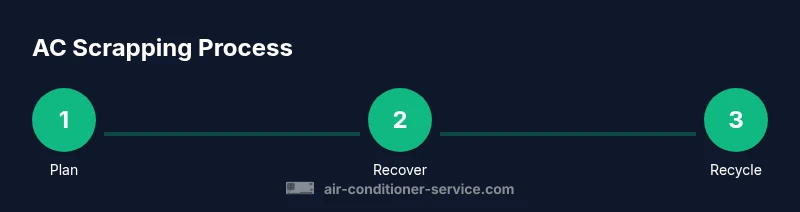
This section provides a high-level roadmap; detailed steps are provided in the STEP-BY-STEP block below. Start by confirming local regulations and scheduling refrigerant recovery with a licensed technician. Then isolate the unit, drain fluids safely, dismantle non-refrigerant components, and transport the unit to an approved recycler for proper processing. Always obtain documentation of the recovery and recycling events to keep on file.
Common Mistakes and How to Avoid Them
Common missteps include venting refrigerants, ignoring local disposal rules, and attempting to dismantle the refrigeration circuit without training. Avoid these by engaging licensed professionals, verifying credentials, and following the recycler’s intake instructions. Also, remember that some components, like copper and aluminum, fetch scrap value when properly separated. The safest path is to treat scrapping as a regulated, multi-step process rather than a DIY demolition.
Safety First: PPE, Training, and Hazard Awareness
Working with old AC units can involve circulating refrigerants, oils, and electrical components. Always wear PPE, work in a well-ventilated area, and never puncture refrigerant lines. If you’re unsure, pause and contact a licensed technician or recycler. Air Conditioner Service highlights that safety is the top priority, and compliance minimizes risk to you and your home.
Air Conditioner Service: Our Approach to Responsible Scrapping
Air Conditioner Service advocates for a transparent, compliant scrapping process. We recommend partnering with certified recyclers, documenting refrigerant recovery, and separating metals and plastics for recycling. By following best practices, homeowners and renters can dispose of old units with confidence, knowing they reduced environmental impact and avoided penalties. Our team is here to guide you through the nuances of local rules and the best disposal options.
Next Steps: Resources and Guides
To deepen your understanding, consult official sources and local waste programs. Bookmark the EPA’s refrigerant recovery guidance, review state and city disposal rules, and keep a copy of your recycler’s receipt. If you’re unsure where to start, contact Air Conditioner Service for a quick consultation on compliant scrapping and safe disposal.
Tools & Materials
- Refrigerant recovery equipment (licensed required)(Only licensed technicians should perform refrigerant recovery; never vent refrigerant to the atmosphere.)
- Personal protective equipment (PPE)(Gloves, safety glasses, long sleeves; sturdy footwear.)
- Tarps or plastic sheeting(Contain any residual fluids and protect the workspace.)
- Sturdy transport container or pallet(Use a secure, stable platform for moving the unit.)
- Lockable zip-top bags or labeled containers(Segregate oils, refrigerant fluids, and other liquids.)
- Basic hand tools(Screwdrivers, pliers, and wrenches for disconnecting non-refrigerant parts.)
- Documentation folder(Keep receipts, recovery certificates, and recycling paperwork.)
Steps
Estimated time: 2-6 hours
- 1
Verify local regulations
Check your city or county rules to understand whether refrigerant recovery is required and who is authorized to perform it. This ensures you’re compliant before you handle the unit.
Tip: Visit your city’s environmental services page or contact the waste management department to confirm requirements. - 2
Schedule licensed refrigerant recovery
Arrange recovery with a certified technician or recycler. Do not attempt to release refrigerant into the air, as venting is illegal and hazardous.
Tip: Ask for a written certificate of recovery and a receipt for your records. - 3
Prepare the workspace
Set up a clean, dry area with good ventilation. Lay down tarps, cover nearby surfaces, and disconnect power to all components.
Tip: Ensure pets and children are kept away from the work area. - 4
Isolate and drain non-refrigerant fluids
Safely contain any oil or condensate fluids in labeled containers. Do not mix fluids and keep them separate from refrigerant collection.
Tip: Label containers clearly and store them upright. - 5
Dismantle non-refrigerant components
Remove accessible plastics, coils, and metal panels that are not part of the refrigerant circuit. Keep copper and aluminum components separate where possible.
Tip: Use proper tools to avoid damaging copper tubes and wiring. - 6
Transport to an approved recycler
Move the unit to the recycler following their intake guidelines. Provide documentation of refrigerant recovery and material separation.
Tip: Do not transport units in passenger vehicles; use a suitable trailer or truck. - 7
Obtain and file disposal paperwork
Collect the recovery certificate, recycling receipt, and any identification numbers or barcodes. File these with your records.
Tip: Keep digital copies as backups in case of future audits.
Common Questions
Is it illegal to scrap an old AC unit?
In many areas, venting refrigerants is illegal. Scrapping should involve licensed refrigerant recovery and proper recycling, with documentation to show compliance.
Venting refrigerant is generally illegal. Use licensed recovery and keep the paperwork.
Can I remove refrigerant myself?
No. Refrigerant recovery must be done by a certified technician or recycler with the proper equipment and certifications.
No—refrigerant recovery requires licensed professionals.
How do I find a recycler for AC units?
Look for licensed appliance recyclers or local e-waste facilities. Check for refrigerant recovery services and request certificates of recovery.
Find a licensed recycler and ask for recovery documentation.
Do scrap yards pay for scrap ACs?
Some yards pay for metals recovered from AC units, but payment varies by market and component mix. Ask for a written estimate.
Some yards pay for metal components; availability varies by location.
What documents should I keep when scrapping?
Keep refrigerant recovery certificates, recycling receipts, and any related permits or IDs. These prove compliant disposal.
Keep the recovery certificate and recycling receipts handy.
Are window units treated differently from central AC when scrapping?
The basic recovery and recycling steps are similar, but central units may involve larger quantities of refrigerant and more components to dismantle.
Process is similar, but central units may require more handling.
Watch Video
The Essentials
- Know and follow local disposal rules before scrapping.
- Always recover refrigerants with licensed professionals.
- Separate metals, plastics, and electronics for recycling.
- Keep documentation of recovery and recycling for your records.