24 Hour Air Conditioner Repair Near Me: Quick Emergency Guide
Need urgent cooling? Learn how to handle a 24 hour air conditioner repair emergency with safety checks, what to expect from technicians, and how to choose a trustworthy service near you.


During a heatwave or a midnight breakdown, a 24 hour AC repair service aims to restore cooling fast while keeping you and your family safe. This guide helps you triage the emergency, understand typical service steps, and locate a trusted provider nearby. Air Conditioner Service shares practical, doctor-level guidance to get cooling back on and avoid scams.
What '24 hour air conditioner repair near me' means
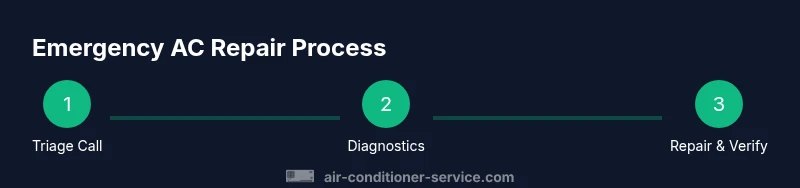
Emergency availability around the clock is the core of 24 hour AC repair. It does not guarantee instant cooling, but it does promise rapid triage, dispatch, and service when you need cooling most. According to Air Conditioner Service, the most urgent issues include a complete loss of cooling in extreme heat, electrical safety concerns such as burning smells or buzzing noises, or a refrigerant-related risk that could threaten indoor air quality. Understanding what constitutes an emergency can help you communicate symptoms clearly and prevent miscommunication during a stressful moment. A reputable 24 hour provider will typically start with a triage call to confirm your location, describe the symptoms, and assess safety risks before dispatching a technician. Be aware that after-hours visits may include diagnostic fees or surcharges, and parts availability can affect the immediate fix. Your goal is to restore safe, effective cooling while protecting indoor air quality and equipment.
Safety first: immediate precautions
When a heat emergency hits, safety is non-negotiable. Power down the thermostat and, if safe, switch off the circuit breaker feeding the outdoor condenser to prevent electrical hazards. Keep children and pets away from the unit and any exposed wiring. Do not attempt refrigerant handling, condenser cleaning with water, or any repairs that involve climbing on roofs or lifting heavy equipment without proper training and equipment. If you smell gas, hear sizzling, or notice visible scorch marks, evacuate the area and call local emergency services. After you’ve secured safety, document what happened and prepare to share symptoms and observations with the technician. This simple triage helps the technician diagnose the issue faster and reduces the time the system spends offline.
Common emergency AC problems late at night
Emergency calls often involve not turning on at all, weak or no cooling, or unusual noises from the outdoor unit. Ice forming on refrigerant coils can be a sign of airflow restriction or low refrigerant, while a frozen outdoor coil can lead to compressor damage if left unaddressed. Water leaks near the indoor air handler may indicate a condensate drainage problem, and a burnt smell or popping sounds could indicate electrical faults. Air Conditioner Service analysis shows that while many issues look urgent, the fix may range from a simple thermostat recalibration to a failed capacitor or a refrigerant leak requiring a licensed tech. Identifying symptoms early helps the tech bring the right parts and minimize downtime.
How emergency technicians triage and diagnose
On arrival, technicians perform a rapid safety check, verify power status, and gather symptom details. They will visually inspect the outdoor unit, ductwork, and indoor components, and may perform diagnostic tests with specialized tools. Expect the tech to confirm whether the system is under warranty, whether a diagnostic fee applies, and what the expected repair timeline will be. In some cases, the problem is identified quickly and a replacement component can be installed on the same visit; in others, they’ll arrange for a parts-pickup and return visit. Always ask for a written diagnosis and a clear estimate before approving repairs.
What to expect during a 24/7 repair visit
A typical 24/7 repair visit starts with arrival and safety confirmation, followed by a diagnostic assessment. After identifying the root cause, the technician will explain the repair options, required parts, and expected downtime. If parts are in stock, a repair can be completed during the same visit; otherwise, a follow-up visit will be scheduled. Your invoice may include a service call fee, labor, and parts, with potential after-hours surcharges. Request a written estimate and document any warranty coverage. For ongoing reliability, consider booking a preventive maintenance plan after the emergency repair to minimize future breakdowns.
DIY checks you can perform safely while waiting
While waiting for a professional, you can perform a few safe checks to potentially improve airflow or confirm obvious problems. First, ensure the thermostat is set to 'cool' and the temperature is appropriate for your room. Replace or clean the air filter if it’s visibly dirty (power off before touching). Check the outdoor unit for debris and clear a few feet of clearance around it. Ensure the outdoor fan is free to rotate and listen for unusual sounds once power is restored. Do not touch electrical components or attempt refrigerant work. Keep a log of symptoms and times to share with the technician.
How to choose a reputable service provider for 24-hour repairs
Reliability matters more than price for emergency work. Look for licensed HVAC professionals with a local presence and clear emergency response policies. Seek contractors who provide written estimates, transparent diagnostic fees, and a warranty on parts and labor. Check for complaint history and customer reviews, and confirm that after-hours service is genuinely available for your area. Ask about guarantees on diagnostic accuracy, response times, and what happens if a replacement part is back-ordered. A trusted provider will offer a clear plan, including maintenance recommendations to avoid future emergencies.
Cost considerations and avoiding scams
Emergency HVAC work often carries a premium due to after-hours availability and rapid dispatch. Avoid cash-only transactions and insist on a written estimate before any work begins. Beware of pressure to approve unnecessary work or high-priced add-ons. Ask for a breakdown of diagnostic fees, labor rates, and parts costs. If a quote seems unusually high or vague, get a second opinion from another reputable 24-hour provider. Reputable companies will explain what the repair entails, why it’s needed, and how to prevent recurrence through maintenance.
Post-repair maintenance to reduce future emergencies
After a successful repair, schedule a preventive maintenance visit to catch issues before they become emergencies. Regular filter changes, coil cleaning, and refrigerant leak checks help sustain efficiency and comfort. Consider upgrading to a programmable thermostat and ensuring proper insulation in your home to maximize cooling effectiveness. Maintaining a service history also helps when warranties are involved and can improve the speed of future emergency responses. Air Conditioner Service recommends routine seasonal checks to minimize downtime when the next heat wave arrives.
Tools & Materials
- Non-contact voltage tester(Essential for safe electrical checks near the unit; verify power without making contact.)
- Flashlight or headlamp(Provide hands-free lighting for outdoor units and attic spaces.)
- Gloves (lab or HVAC-grade)(Protect hands when inspecting wiring and contacts.)
- Screwdriver set (Phillips and flat-head)(Useful for opening service panels safely when power is off.)
- Multimeter(Optional for basic voltage checks when safe to do so with power off.)
- Notebook and pen(Record symptoms, times, and technician notes for reference.)
- Ladder or step stool(Only if you are comfortable and the unit is safely accessible.)
Steps
Estimated time: Total time varies; initial triage by homeowner 15-30 minutes, call-to-service 30-60 minutes, diagnostic and repair 1-4+ hours depending on parts and accessibility
- 1
Assess safety and secure the area
Turn off power to the AC at the thermostat and the main breaker if safely accessible. Move people and pets away from the unit. If you smell gas or see scorch marks, evacuate and call emergency services. Document what you notice for the technician.
Tip: If you’re unsure about electrical safety, wait for the professional rather than attempting to reset breakers. - 2
Gather triage details and contact a 24/7 service
Note the exact symptoms, outdoor unit status, and recent changes (dust, weather, or power interruptions). Have your address ready and confirm after-hours pricing policies before dispatch.
Tip: Provide photos or videos of the outdoor unit if you can safely capture them. - 3
Check basic, safe checks you can perform
With power off, inspect the air filter and replace if dirty; verify thermostat settings; ensure the outdoor unit is free of debris and has clear airflow. Do not touch refrigerant lines or electrical wiring.
Tip: Document the filter condition and any blockages around the outdoor condenser. - 4
Communicate symptoms clearly to the technician
Describe noises, odors, and timing of the failure. Mention if the system ever turns on briefly, and whether the thermostat is reaching setpoints.
Tip: Be honest about any temporary DIY attempts to avoid misdiagnosis. - 5
Prepare for technician arrival
Clear access to the outdoor unit and indoor air handler; keep a list of questions about warranties, part availability, and expected downtime.
Tip: Ask for a written diagnostic and a stepwise repair plan including costs. - 6
Review the repair and follow-up care
After service, test the system if permitted by the technician and check that airflow is strong and consistent. Schedule preventive maintenance and document the work for future reference.
Tip: Ask about maintenance intervals and how to spot early warning signs.
Common Questions
What qualifies as a 24 hour AC repair emergency?
An emergency typically includes complete loss of cooling in extreme heat, a safety risk (electric smell, smoke, buzzing), or a refrigerant-related concern affecting indoor air quality. If you’re unsure, contact a licensed technician for a triage call.
emergencies include no cooling in extreme heat, electrical hazards, or refrigerant concerns; call for triage if unsure.
Will there be an after-hours surcharge?
Many providers add a small after-hours surcharge to cover after-hours labor. Request a written estimate before any work begins and confirm all charges up front.
Yes, there can be after-hours charges; ask for a written estimate first.
How long does an emergency repair usually take?
Duration depends on the problem and parts availability. Some issues are resolved on the first visit, others require a parts pickup and a follow-up visit.
Times vary based on parts and problem; some fixes are same-day, others need a follow-up.
Should I attempt DIY fixes during an emergency?
Safe DIY steps are limited to basic checks like thermostat settings and changing a dirty filter. Do not attempt refrigerant work or electrical repairs.
Limit DIY to safe checks; avoid refrigerant handling and electrical repairs.
What should be included in a written estimate?
The estimate should include diagnostic fees, labor, parts, warranty details, and a clear scope of the work. It should also note any after-hours charges.
Expect a breakdown of diagnostic fees, labor, parts, and warranties.
Can a 24-hour service handle refrigerant leaks?
Licensed technicians can address leaks, but many jurisdictions require a certified refrigerant technician. They will advise on safety and repair options.
Refrigerant leaks require licensed techs; they’ll advise on options and safety.
What maintenance helps prevent future emergencies?
Seasonal tune-ups, filter changes, and coil cleaning reduce failure risk. A maintenance plan can extend the life of your system and improve efficiency.
Regular tune-ups and cleanings prevent many emergencies.
How can I verify a technician’s credentials?
Check license status with your state or local authority, read reviews, and ask for proof of insurance and warranty terms before work begins.
Check license, insurance, and warranty terms before hiring.
Watch Video
The Essentials
- Identify true emergencies to avoid unnecessary calls.
- Prioritize safety before attempting any checks.
- Document symptoms to aid fast triage and diagnosis.
- Expect after-hours surcharges but insist on a written estimate.
- Schedule preventive maintenance after an emergency repair.