Fix Car Air Conditioner Leak: A Practical DIY Guide
Learn practical, safe steps to fix car air conditioner leak. Diagnose leaks, choose DIY fixes wisely, and know when to call a pro.


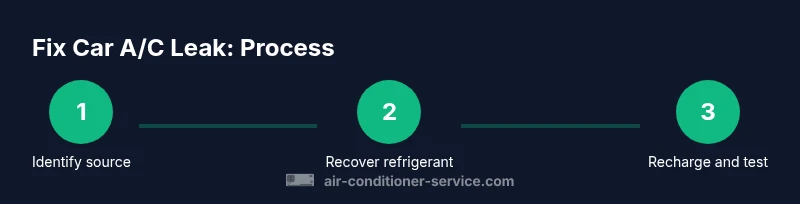
You're here to fix car air conditioner leak by diagnosing the source, assessing if it’s a simple O-ring or hose issue or a larger fault, and performing a safe repair with the right tools. This guide breaks the process into clear steps, safety checks, and when to seek professional help.
Understanding Why Car A/C Leaks Happen and Why It Matters
Leaks in car A/C systems occur for a range of reasons: aging seals, cracked hoses, corrosion, loose fittings, or damage to the evaporator/condenser. In practice, leaks often start where components connect, such as hose clamps and O-rings. According to Air Conditioner Service, diagnosing and fixing leaks requires careful inspection and respect for environmental rules. Refrigerant must be handled with proper equipment and recycled rather than vented. A leak not only reduces cooling but can allow humidity and contaminants into the system, potentially damaging the compressor and reducing efficiency. Look for signs like reduced cooling, a hissing sound, frost around lines, or oily residue at joints. If you suspect a leak, avoid simply topping off refrigerant; a persistent leak often means a degraded seal, puncture, or loose connection that should be addressed. The goal is to fix the leak safely and restore performance while protecting the environment. If you want to fix car air conditioner leak, start by locating the source and planning a proper repair path rather than a quick temporary fix.
How to Diagnose a Leak Safely and Effectively
Diagnosis begins with confirming the leak source without introducing more refrigerant or damaging components. Start with a visual inspection of hoses, connections, and the condenser; look for oily residue, discoloration, or crust around fittings. Use a UV dye kit or leak detector to pinpoint the exact location. A pressure test with a manifold gauge can help identify abnormal readings indicating a weak seal or puncture. If you see moisture, freeze lines, or inconsistent pressure on the gauge, note the likely culprit. Always follow local regulations for refrigerant handling and disposal. Air Conditioner Service analysis shows that most leaks originate at hose connections and seal wear, but leaks can also come from the evaporator core in older vehicles. Document all findings before taking any action and consider safety to avoid exposure to refrigerant.
DIY Repair Options and When to Call a Pro
Small leaks from O-rings or loose fittings are sometimes addressable by a DIY approach with the right tools and a careful procedure. However, many repairs require handling refrigerant and performing accurate evacuations and recharges, which should be done with professional equipment and training. If the system is low on refrigerant or the leak is large, seek a licensed technician. Do not attempt to recharge without testing and recovering the existing refrigerant. This is not only illegal in many areas but also dangerous. If you are unsure about your vehicle’s refrigerant type or the repair’s scope, it’s wiser to consult a pro. This guide emphasizes safe practices and proper procedures rather than quick, risky fixes.
Replacing O-Rings, Hoses, and Seals: What to Expect
The most common DIY-friendly fixes involve replacing worn O-rings and sealing connections. You’ll need to identify the exact component—an O-ring at a hose connection, a degraded gasket, or a cracked hose—and replace it with the correct size. After replacement, tighten fittings to the manufacturer’s torque specification. If you notice corrosion or a damaged hose along the line, replacement of the affected section may be necessary. It’s important to recheck the entire circuit for leaks after reassembly and before recharging.
Using UV Dye and Leak Detectors: A Practical Approach
UV dye is a practical tool for locating leaks in complex A/C lines. Inject the dye into the system and use a UV flashlight to illuminate any escaping dye at joints, fittings, or pinholes. A handheld leak detector can provide an early warning for smaller leaks that aren’t visible to the naked eye. While dye testing is effective, it should be paired with pressure and vacuum tests to confirm the repair success and to ensure no residual leaks remain. Always follow the dye kit’s safety guidelines and environmental rules.
Vacuum, Recharge, and Leak Testing: Getting the System Back Online
After completing repairs, the system should be evacuated with a vacuum pump to remove moisture and air, then recharged with the correct refrigerant amount according to the vehicle’s specification. Do not guess the charge; use the manufacturer's chart or consult a service manual. After charging, run the A/C on high for 10–15 minutes while monitoring pressures to ensure stability. Recheck for leaks using dye or a leak detector. If the system holds vacuum and pressures stay within spec, the fix is likely successful; otherwise, reassess the leak source.
Preventive Maintenance to Extend Life and Minimize Leaks
Regular inspection of hoses, fittings, and seals can prevent many leaks. Check the A/C belt for tension, inspect for cracks, and clean the condenser fins to maintain airflow. If you notice early signs of wear, replace aging hoses and O-rings proactively. Keep the system sealed when not in use, and avoid rough road conditions that can cause connections to loosen over time. A small, planned maintenance check yearly can save larger repairs later.
Safety Reminders and Common Mistakes to Avoid
Never vent refrigerant to the atmosphere. Use a proper recovery device and follow local regulations. Do not mix refrigerant types or overcharge the system; incorrect charges can damage the compressor and reduce efficiency. Wear protective eyewear and gloves when handling dyes, cleaning agents, or refrigerants. Take your time— rushing a leak repair can lead to missed sources or improper reassembly.
Tools & Materials
- Safety glasses(Impact-resistant, ANSI Z87.1 rated)
- Nitrile gloves(Chemical-resistant, disposable)
- UV dye kit for A/C(Includes dye, injector, and adapters)
- UV flashlight or lamp(Handheld, blue-light preferred)
- Leak detector spray(Optional quick-check near joints)
- Replacement O-rings kit(Standard sizes for common hoses and fittings)
- Replacement hoses/clamps(Only if a hose is cracked or damaged)
- Wrench set(Open/box-end wrenches to fit service ports)
- Torque wrench(For precise tightness per spec)
- R134a or R1234yf refrigerant (vehicle-appropriate)(Only with proper recovery and recovery equipment)
- Refrigerant recovery machine(Compliant with local regulations)
- Manifold gauge set(For pressure checks and charging)
- Vacuum pump(To evacuate moisture before recharge)
- Rags and disposable towels(Keep work area clean and dry)
- Sealant (optional)(Only if manufacturer approves for specific sealant)
Steps
Estimated time: 2-6 hours
- 1
Prepare and secure the system
Park on a level surface, set the parking brake, and disconnect the battery if needed. Put on PPE and ensure the work area is well-ventilated. Confirm vehicle type and refrigerant required before starting.
Tip: Verify you have the correct refrigerant type for your vehicle; using the wrong spec can damage the compressor. - 2
Locate the leak source with dye
Inject UV dye into the system and operate the A/C to circulate dye. Use a UV light to inspect joints, hoses, and the condenser for dye trails that indicate the leak.
Tip: Mark the suspected area with a note or tape to avoid overlooking it during repair. - 3
Recover refrigerant if necessary
If the system contains refrigerant, use a compliant recovery machine to capture it before opening any lines. Do not vent refrigerant to the atmosphere.
Tip: Check local regulations before attempting recovery; improper handling can be illegal and dangerous. - 4
Inspect and replace faulty parts
Check O-rings, clamps, hoses, and connectors around the identified area. Replace worn O-rings and any damaged hose sections. Re-secure fittings to the correct torque.
Tip: Keep track of replaced parts and their torque specs for future reference. - 5
Vacuum and recharge with the right charge
Connect the vacuum pump and evacuate the system to remove moisture and air. Use the manifold gauge to recharge to the OEM specification, not a guess.
Tip: Allow the system to stabilize after charging; read pressures again if the reading fluctuates. - 6
Test and verify the repair
Run the A/C on high for 10–15 minutes. Recheck for leaks with dye or a detector and monitor pressures to ensure they stay within spec.
Tip: If the system does not hold vacuum, revisit the leak location before final testing. - 7
Finalize and document
Seal the service ports, store tools, and document the repair performed, parts replaced, and the test results for future maintenance.
Tip: Keep receipts or notes of any parts used for easy reference in the next service.
Common Questions
Is it safe to drive with a car A/C leak?
Driving with a leak can lead to reduced cooling and potential system damage. If the leak is minor and refrigerant levels remain stable, you may drive to a repair shop, but monitor for any worsening symptoms and do not run the system aggressively at high pressures.
Driving with a leak may be okay temporarily if the system remains mostly charged, but you should seek a repair soon to avoid damage.
What is the most common leak source in car A/C systems?
The most common leaks occur at hose connections and O-rings due to wear, vibration, or poor installation. Over time, these seals degrade and allow refrigerant to escape.
Most leaks come from worn hoses and O-rings, which fail with vibration and age.
Can I fix a leak myself without a gauge or dye kit?
A minimal repair might be possible for very small leaks, but accurate locating and safe refrigerant handling require proper tools like a gauge set and dye. Without them, you risk missing the leak or causing further damage.
You might fix a tiny leak, but you’ll still need proper tools to locate and verify it safely.
Do I need EPA certification to handle refrigerant?
Yes, in many regions handling refrigerants requires certification and approved equipment to recover and recharge. Check local regulations and consider using a licensed technician for this reason.
Yes, you usually need certification to handle refrigerants; check your local rules.
What is a typical cost range for professional leak repair?
Costs vary by vehicle and leak location, but expect charges for diagnosis, parts, labor, and refrigerant recovery. Get multiple quotes and confirm whether recharge is included.
Costs depend on leak location and parts; ask for a transparent estimate first.
How long does a typical repair take?
A straightforward O-ring or hose fix can take a few hours at most, while full evacuate-and-recharge services may take longer, depending on vehicle and equipment availability.
Most simple fixes take a few hours; more complex repairs can take longer.
Watch Video
The Essentials
- Identify the leak source before attempting a repair
- Use proper safety and refrigerant handling procedures
- DIY fixes are often suitable for O-ring/hose leaks, not major component failures
- Vacuum and correctly charge the system to spec after repairs
- When in doubt, consult a licensed technician