When to Replace an Air Conditioner Capacitor: A Practical Guide
Discover signs of capacitor failure, how to test and replace safely, and practical timing guidance to know when to replace an air conditioner capacitor. Includes cost considerations and proactive maintenance tips.


A capacitor should be replaced when the AC won’t start or run with weak cooling, the outdoor unit clicks or hums but doesn’t start, or you notice a swollen, blistered, or leaking component. If testing shows the capacitance is out of spec or the device is physically damaged, replacement is advised. Age and heat accelerate capacitor wear, so consider replacement after several hot seasons or mid-life operation.
Understanding the role of capacitors in an AC system
The air conditioner relies on electrical capacitors to start the compressor and run the fan motors. The question when to replace air conditioner capacitor comes up often as systems age and endure seasonal heat, humidity, and electrical fluctuations. This section explains what a capacitor does, the two common types you might encounter (start and run), and how aging affects performance across the cooling system. By understanding the basics, homeowners can better identify whether symptoms point to a failing capacitor or a more serious motor issue. Expect explanations of how capacitance ratings (µF) relate to starting torque and running efficiency, and why a physical sign like swelling is a red flag that warrants replacement.
Air conditioners use capacitors to provide a surge of energy that helps the compressor and fan motors start. When a capacitor loses capacitance or fails completely, the motor may struggle to start, run weakly, or stall. A test with a multimeter or a dedicated capacitor tester can reveal whether the component is within factory-spec tolerance. If you notice a pop, crackling, or a strong burnt-chemical smell near the outdoor unit, stop and assess safety first. These signs can indicate a failing capacitor or other electrical issues that require professional attention.
Signs of a Failing Capacitor
Early signs can be subtle. A capacitor might show a slow or reluctant start, a unit that trips breakers after starting, or a faint buzzing from the outdoor cabinet when power is applied. The fan motor running hot or producing unusual noises can also indicate insufficient energy to start or sustain rotation. In some cases, the unit will run briefly and then shut off, a symptom sometimes mistaken for refrigerant issues or thermostat problems. Physical signs—bulging, swelling, or leakage on the capacitor’s housing—are clear indicators that it must be replaced immediately. If you observe any of these conditions, do not continue to run the system; shutoff power at the disconnect and consult a professional.
Other telltale indicators include inconsistent cooling, longer cycling times, or a noticeable drop in efficiency. In some homes, a failing capacitor can contribute to higher energy use and wear on the compressor. Regular checks during seasonal maintenance can help catch these issues early. Air Conditioner Service analysis indicates that many capacitor-related problems are due to heat exposure and aging, not a one-off incident, making proactive replacement a prudent consideration for mid-life units.
Testing and Verifying Capacitor Health
Testing a capacitor requires careful handling and the right tools. Before any measurement, ensure the system is fully powered down and the disconnect switch is de-energized. A multimeter with a capacitance setting can measure whether the capacitor’s microfarad value falls within the manufacturer’s tolerance range. If the reading is significantly lower or higher than the rated value, or if the capacitor shows physical damage, replacement is recommended. In some cases, technicians use a dedicated capacitor tester to verify both capacitance and leakage resistance. For safety, never touch capacitor terminals while testing and always discharge the capacitor before handling.
When replacing, match the exact µF rating and voltage rating of the original component. Using an undersized capacitor can prevent the motor from starting, while an oversized one can place undue stress on the start winding. If the unit has both a start capacitor and a run capacitor, tests should confirm which part is failing. A professional can also perform a “live” test of the system (on a safe, isolated circuit) to confirm proper operation after installation. Regular maintenance and testing help extend capacitor life and reduce surprise outages.
Replacement Timing: Factors That Influence the Decision
There isn’t a single age threshold that dictates replacement. The decision hinges on symptomatology, test results, and environmental exposure. Frequent heat exposure, high humidity, or periods of heavy cycling can accelerate capacitor wear. If a capacitor begins to fail, you may see repeated start attempts, longer run cycles, or a temporary loss of cooling efficiency. In budgetary terms, replacing a failing capacitor promptly can prevent further stress on the compressor, potentially reducing the risk of a larger, costlier failure.
From a practical standpoint, many homeowners opt to replace after diagnosing clear signs of degradation or after a service technician confirms that the capacitor is out of spec. Regional climate, usage patterns, and the presence of prolonged heat waves all influence timing. Air Conditioner Service recommends a proactive approach: if you’re mid-life on your unit and observe start delays, unusual noises, or frequent cycling, plan a capacitor check as part of preventive maintenance. This can minimize downtime and keep your system operating efficiently.
Step-by-Step Replacement Overview (High-Level) and Safety Considerations
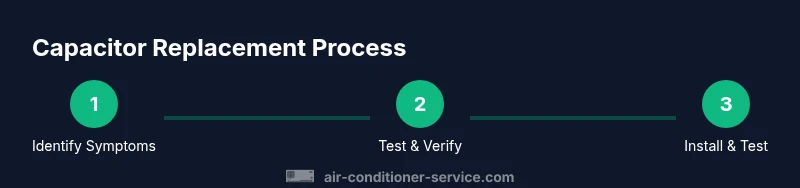
Replacing a capacitor is a common DIY task for homeowners who are comfortable with basic electrical work, but it carries risks if performed incorrectly. This section provides a high-level overview of the process to help you decide if professional help is warranted. It covers selecting the right replacement, safely isolating power, disconnecting the old unit, installing the new capacitor, and verifying that the system runs as expected. Remember: incorrect wiring, using the wrong µF rating, or failing to discharge the capacitor can cause electric shock or damage to the compressor. Always prioritize safety and consult a pro if you’re unsure. In many cases, the cost of a quick professional replacement is justified by the protection it affords to your equipment and household safety.
Cost Considerations and Safety Warnings
Costs for capacitor replacement vary by region, system type, and whether the work is done by a professional or DIY, but adequate planning helps avoid surprises. Professional replacement typically includes parts, labor, and diagnostic checks, with total costs falling within a broad range depending on local market rates. It’s important to factor in the cost of a new capacitor with the correct µF rating and voltage. While DIY can save on labor, mistakes can be costly, particularly if wiring is incorrect or if the capacitor is reinstalled improperly. Always observe lockout/tagout procedures, wear appropriate PPE, and never work on energized circuits. If any doubt remains about your ability to perform the task safely, hire a licensed technician. Routine preventive maintenance that includes capacitor checks can reduce the risk of unexpected failures when temperatures rise.
Prevention and Maintenance to Extend Capacitor Life
Preventive maintenance is the best defense against premature capacitor failure. Regular inspections during off-season maintenance help you spot swelling, leaks, or corroded terminals early. Keep connections clean and tight, ensure adequate ventilation around the outdoor unit, and verify that the unit isn’t exposed to direct water spray or excessive dust. If your system experiences frequent cycling or you notice degrades in pressure or airflow, schedule a technician visit to inspect the electrical components, including the capacitor and start relay. By prioritizing routine maintenance, you can extend capacitor life and improve overall system reliability, which is especially important in hot climates where the unit works hardest.
A Practical Wrap-Up: When to Replace and What to Expect
In summary, you should consider replacement when you observe start failure, unusual noises, frequent cycling, or physical signs of capacitor damage, and tests confirm out-of-spec capacitance. Replacements should use identical ratings to avoid motor damage. The decision to DIY or hire a pro hinges on your comfort with electrical work and the availability of proper safety precautions. Air Conditioner Service emphasizes that the goal is reliable start-up and efficient operation, not just a quick fix. With proper testing, correct part selection, and careful installation, you can restore performance and extend the life of your AC without unnecessary downtime.
Tools & Materials
- Safety gloves (insulated)(Class-rated for electrical work; ANSI/OSHA-compliant)
- Voltage tester(Non-contact or contact-type to verify power is off)
- Multimeter with capacitance setting(Capacitance measurement (µF) plus resistance check)
- Replacement capacitor(Same µF rating and voltage as the original part; e.g., 5 µF, 370V)
- Screwdrivers (insulated)(Flathead and Phillips; use insulated handles)
- Pliers(Needle-nose can help with removed wires)
- Electrical tape or wire nuts(For secure wire connections and insulation)
- Labeling materials (masking tape, marker)(Label wires before disconnecting to simplify reassembly)
- Container or bag for old capacitor(Dispose properly per local regulations)
Steps
Estimated time: 45-60 minutes
- 1
Power down and isolate
Shut off the outdoor unit’s disconnect switch and, if accessible, the main breaker. Confirm no voltage is present with a tester before touching any wiring.
Tip: Use lockout/tagout to prevent accidental re-energizing. - 2
Locate the capacitor and verify ratings
Open the outdoor electrical panel or access cover to locate the condenser capacitor. Note the µF value and voltage rating printed on the case.
Tip: If the rating is unclear, photograph the label before disconnecting wires. - 3
Discharge the capacitor safely
Carefully discharge using a resistor or a discharge tool by bridging the terminals. Do not use metal objects that can arc.
Tip: Discharging avoids dangerous shocks and protects the wiring. - 4
Disconnect leads and remove old capacitor
Label each lead, then loosen and remove the wires from the capacitor terminals. Remove the mounting hardware and lift the capacitor out of its housing.
Tip: Keep track of which wire goes to which terminal and the orientation of the casing. - 5
Inspect and prepare the new capacitor
Check the new capacitor for any signs of damage. Confirm it matches the original specifications and dimensions to fit the enclosure.
Tip: If the old capacitor is swollen, do not reuse any components from it. - 6
Install the new capacitor
Place the capacitor in the housing, reconnect leads to the correct terminals, and secure with mounting hardware. Re-check the connections for tightness.
Tip: Ensure the leads are not stretched or pinched and that insulation is intact. - 7
Reconnect power and test
Restore power, switch on the unit, and observe start-up behavior and cooling performance. Listen for normal operation and check for irregular noises.
Tip: If the unit still won’t start, power down immediately and call a professional. - 8
Secure and clean up
Close all housings, replace any covers, and tidy the work area. Dispose of the old capacitor per local regulations.
Tip: Take a quick photo of the setup for future reference.
Common Questions
What does an AC capacitor do?
The capacitor provides the surge of energy needed to start the compressor and run the fan motors. It helps with starting torque and running efficiency.
The capacitor gives the motor a quick energy boost to start and keeps it running smoothly.
How can I tell if my AC capacitor is failing?
Common signs include the unit failing to start, slow or weak cooling, unusual noises, tripping breakers, or visible swelling on the capacitor.
If the unit won’t start or you hear a buzzing, check for capacitor issues.
Can I replace a capacitor myself?
Yes, if you have electrical experience and follow strict safety steps; otherwise, hire a licensed technician to avoid shocks and wiring mistakes.
You can replace it yourself if you’re comfortable with electricity and safety, otherwise call a pro.
What risks are involved in replacement?
Risks include electric shock, incorrect wiring, over- or under-spec capacitors, and potential damage to the compressor or control board.
Risks are mainly electrical—take precautions or get a pro.
How much does capacitor replacement cost?
Costs vary by region and service; expect a range that covers parts and labor, which can differ based on the unit and accessibility.
Costs depend on where you live and the unit, so check with local pros.
How long does a capacitor typically last?
Capacitor life depends on usage, heat exposure, and electrical load; aging and heat contribute to gradual wear over time.
They wear out gradually, especially under heat and heavy use.
Watch Video
The Essentials
- Identify signs of capacitor wear early to prevent compressor damage.
- Always match capacitance and voltage when replacing.
- Power off, discharge, and test safely before handling components.
- Professional help can save time and protect equipment in uncertain cases.