Repair a Trane Air Conditioner: Step-by-Step Guide
Learn how to diagnose and safely repair a Trane air conditioner with a practical, step-by-step guide. Tools, safety, common fixes, and maintenance tips included.


Goal: You will repair a Trane air conditioner safely and effectively. This guide covers common failure points, required tools, and a clear, step-by-step process designed for homeowners and renters. You’ll identify issues like capacitor failure, control board faults, and refrigerant concerns, then apply proven steps to restore cooling while protecting your equipment.
Why Repairing a Trane Air Conditioner Matters
Repairing a Trane air conditioner is often more economical than a full replacement, especially when the unit is relatively new or well-maintained. A responsive repair plan can reduce energy waste, improve cooling performance, and extend the life of the system. The Air Conditioner Service team emphasizes practical, safety-first fixes that homeowners can perform when appropriate, while reserving more complex tasks for licensed technicians. According to Air Conditioner Service, early attention to symptoms like uneven cooling, unusual noises, or short cycling can prevent bigger, costlier problems down the road. In many homes, simple issues — such as a clogged filter, dirty condenser coils, or a malfunctioning capacitor — are enough to compromise comfort and efficiency. By learning how to diagnose these issues and follow a structured repair workflow, you can keep your Trane running reliably for years to come.
Safety First: Before You Begin
Before any inspection or repair work, power off the unit at the main breaker and unplug any removable components. Use a non-contact voltage tester to confirm there is no live current in the control circuit. Wear protective eyewear and gloves to guard against sharp edges and hot surfaces. Avoid touching electrical connectors with wet hands and never operate the system if the outdoor unit is covered in ice, debris, or snow. Refrigerant handling and sealed-system work should be performed only by qualified technicians, as improper handling can be dangerous and may violate local regulations. If you are unsure about any step, stop and seek professional help. This approach protects both you and the equipment while reducing the risk of personal injury.
Common Causes of Not Cooling in Trane Units
A Trane air conditioner that won’t cool properly usually points to a few repeat troublemakers. Capacitors and contactors are common electrical culprits that prevent start-up or smooth operation. A faulty thermostat or miswired control board can cause the system to run inefficiently or short-cycle. Dirty condenser coils and restricted airflow from a clogged filter also reduce cooling capacity and raise energy usage. Leaks or low refrigerant can manifest as frost on lines or reduced cooling, which should be diagnosed by a pro. In many cases, these symptoms stem from aging components or insufficient routine maintenance. The Air Conditioner Service analysis shows capacitor and contactor failures are among the most frequent causes of not cooling in older Trane installations, underscoring the importance of regular inspection and timely part replacement.
Diagnosing Tools and Basic Repairs You Can Attempt
Equipping yourself with the right tools makes a meaningful difference. A digital multimeter helps verify voltages and continuity on control circuits. A capacitor tester or capacitance meter confirms capacitor health, a common source of startup issues. A screwdriver set, nut drivers, and wire labels make it easier to safely access p arts and rewire connections if needed. Always begin with safety checks and never work on live circuits. For many homeowners, simple tasks like replacing a dirty air filter, cleaning the outdoor condenser coil, and reseating electrical connections can restore function without professional service. If you observe signs of refrigerant leaks, unusual hissing sounds, or oil around joints, stop and call a licensed technician, as refrigerant work is tightly regulated and requires proper equipment and certification.
Step-By-Step Diagnostic Process (Overview)
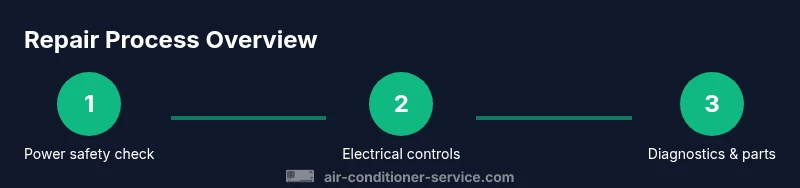
Diagnosing a Trane air conditioner involves validating power, testing controls, and inspecting components for wear or damage. Start by confirming that the thermostat is calibrated correctly and that the breaker is protected. Next, check the control board for fault codes and inspect relays and fuses. If electrical signals appear normal, test the capacitor and contactor for proper operation. Inspect the outdoor unit for debris, bent fins, and grille blockages. Finally, assess airflow, filter condition, and duct integrity to identify airflow restrictions. This approach helps you separate quick fixes from more complex repairs, and it supports informed decisions about whether future maintenance or professional service is needed.
Preventive Maintenance Plan After Repair
A proactive maintenance plan reduces the chance of future breakdowns and keeps your Trane running efficiently. Schedule regular filter changes every 1–3 months depending on usage and indoor air quality. Clean the condenser coils at least twice a year and inspect electrical connections for signs of wear. Calibrate the thermostat and verify sensor readings to ensure accurate temperature control. Keep a simple maintenance log noting dates, parts replaced, and observed performance. Regular checks help you catch issues early and minimize emergency repairs, saving money and stress in the long run.
When to Call a Pro and Warranty Considerations
There are times when DIY troubleshooting isn’t enough. If you detect refrigerant leaks, a buzzing or arcing electrical sound, or persistent short cycling after basic checks, contact a licensed HVAC technician. Refrigerant handling, sealed system diagnostics, and major component replacement require professional certification and proper equipment. Some Trane warranties require service by an authorized technician; be sure to review the warranty terms and documentation. If you recently had a professional repair, keep service records and follow the recommended maintenance schedule to preserve warranty coverage and system reliability.
Common Myths About Repair Trane Air Conditioner
Myth 1: Replacing parts at random will fix the problem. Truth: Diagnosis should guide part selection to avoid unnecessary repairs. Myth 2: All refrigerant issues can be fixed by the homeowner. Truth: Refrigerant handling requires licensing and environmental controls. Myth 3: Regular maintenance isn’t necessary if the unit seems to run fine. Truth: Preventive care reduces costly failures and extends system life. Myth 4: If it’s loud, it’s just normal wear. Truth: Unusual noises often indicate a failing component that needs inspection. Addressing myths helps you make informed decisions and avoid risky, unverified fixes.
Tools & Materials
- Personal protective equipment (PPE): safety glasses, gloves(Protect eyes and hands from sharp edges and hot surfaces)
- Digital multimeter(Test voltage, continuity, and resistance on control circuits)
- Capacitor tester or capacitance meter(Confirm capacitor health and value)
- Screwdriver set (Phillips and flat-head)(Access panels and electrical components)
- Nut drivers or hex keys(Secure blower housing and service panels)
- Wire labels or masking tape(Label wires before disconnecting to simplify reconnection)
- Replacement capacitor (optional)(Select a capacitor with the same µF rating as the original)
Steps
Estimated time: 60-120 minutes
- 1
Power down and verify safety
Shut off power at the main breaker and unplug removable components. Use a non-contact tester to confirm no voltage is present. This prevents shock and protects the capacitor from accidental discharge during inspection.
Tip: Always keep one hand in your pocket when probing live-looking connections to minimize shock risk. - 2
Inspect exterior and accessibility
Visually inspect the outdoor unit for debris, bent fins, or obstructions. Ensure the service access panel is secure and that you can reach wiring comfortably without stretching or twisting wires.
Tip: Clear leaves, grass, and dirt from the condenser area to ensure proper airflow. - 3
Test electrical controls
With the unit safe to touch, verify thermostat signals and ensure the contactor coil engages properly. Look for signs of burning or melted insulation on wires and inspect fuses or circuit breakers.
Tip: Note any fault codes or abnormal readings before disconnecting components. - 4
Check capacitor and contactor
Discharge the capacitor safely, remove the old part, and test its capacitance. Replace if the value is out of tolerance or if the capacitor shows bulging, leaking, or heat damage.
Tip: Match the µF rating exactly to avoid under/over-voltages that can damage the compressor. - 5
Assess refrigerant system (scope of work)
Inspect for obvious leaks, oily residues, or frost on lines. Do not attempt refrigerant charging or sealing; these tasks require licensed technicians and proper equipment.
Tip: If you suspect a refrigerant issue, plan a professional service call rather than attempting a DIY fix. - 6
Reassemble and test
Reconnect all wiring, secure panels, restore power, and run the system in cool mode. Observe compressor and fan operation, listen for abnormal noises, and confirm the unit cycles correctly.
Tip: Document each tested parameter and note any deviations for later follow-up. - 7
Document results and plan follow-up
Create a brief service log noting symptoms, tests, parts replaced, and performance after the repair. Schedule a follow-up check if performance wanes or if new issues emerge.
Tip: A simple log helps you track longevity and plan preventive maintenance.
Common Questions
Is it safe to repair a Trane air conditioner myself?
Basic troubleshooting can be safe if you follow proper lockout-tagout procedures and power-down protocols. Avoid refrigerant work and high-voltage components if you lack training. When in doubt, consult a licensed technician.
DIY troubleshooting can be safe if you power down and follow safety steps; for refrigerant or high-voltage work, call a professional.
What are the most common problems causing not cooling?
Capacitors, contactors, thermostat faults, and dirty condenser coils are frequent culprits. Airflow restrictions from dirty filters also reduce cooling efficiency.
Common causes are bad capacitors or contac tors, thermostat faults, dirty coils, and blocked airflow.
Can I recharge refrigerant myself?
No. Refrigerant handling requires licensed technicians and proper equipment. Attempting DIY recharge can be illegal and dangerous.
Refrigerant work should be done by a trained technician with the right tools.
Will repairing my Trane void the warranty?
Warranties vary; some require manufacturer-authorized service. Check the terms or contact the manufacturer for guidance.
Check your warranty terms to know if DIY repairs affect coverage.
When should I call a pro for tracing a cooling problem?
Call a pro if you detect refrigerant leaks, unusual noises, burning smells, or if a basic troubleshooting step doesn’t restore cooling.
If in doubt or you notice leaks or strange noises, contact a licensed technician.
How can I prevent future problems with my Trane AC?
Schedule regular maintenance: filter changes, coil cleaning, thermostat checks, and annual inspections to catch issues early.
Keep up with regular maintenance to prevent issues before they start.
Watch Video
The Essentials
- Power down before inspection and testing
- Capacitors and contactors are common failure points
- Avoid refrigerant work unless licensed
- Regular maintenance reduces future repairs
- Document repairs and schedule follow-ups