How to Put Air Conditioner on Heat: A Practical Guide
Learn how to switch your air conditioner to heat mode safely and effectively. This guide covers heat pumps, auxiliary heat, safety checks, and practical tips for homeowners seeking comfortable, efficient heating.


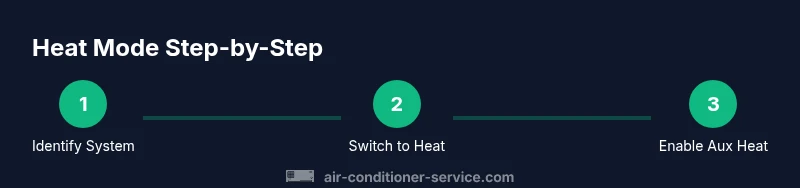
To put an air conditioner on heat mode, switch your thermostat or control panel to heat or heat pump mode, then set a comfortable temperature. If you have a heat pump, enable auxiliary or emergency heat as needed for cold weather. Ensure the outdoor unit is clear of debris, and set the fan to auto so airflow isn’t constant. This quick action helps maintain warmth and efficiency.
Understanding when your AC can heat
If you’re wondering how to put air conditioner on heat, start by recognizing that not all air conditioners can produce heat by themselves. Traditional window or portable units primarily cool; heating is usually provided by a connected furnace or by a dedicated heat pump. In homes with a heat pump, the system can switch to heating without a furnace, but efficiency and compressor operation change with outdoor temperatures. According to Air Conditioner Service, heat pumps are designed to extract heat from the outside air and move it indoors, but performance decreases as it gets very cold. In colder months, many installations rely on auxiliary or emergency heat to maintain comfortable indoor temperatures. Before you attempt any changes, make sure the system is clean, vents are unblocked, and there are no safety warnings from your equipment.
This section sets the stage for safe operation and clarifies why your unit may or may not heat effectively in winter weather.
Confirm your system type and safety checks
The first step is identifying whether your unit is a dedicated air conditioner, a heat pump, or part of a furnace-and-AC combo. Read the owner’s manual for heat mode capabilities and any electrical requirements. If you’re unsure, contact a licensed technician before changing wiring or controls. Safety checks include cutting power at the breaker, confirming no standing water, and ensuring outdoor units have clear clearance. A quick visual inspection can reveal obvious issues like blocked vents or loose wiring. When in doubt, treat heating operation as a diagnostic task and proceed cautiously. Air Conditioner Service recommends staying within your comfort and safety limits and consulting a professional for complex setups.
How heat mode works with heat pumps vs conventional AC + furnace
Heat pumps create warmth by moving heat from outside to inside, which makes them efficient in milder temperatures but less effective when it’s very cold. Conventional air conditioners paired with a furnace rely on the furnace to supply heat, with the AC running only in cooling mode. If you see frost on the outdoor coil or a drop in heating capacity, you may need auxiliary heat or a defrost cycle. Understanding these differences helps you set realistic expectations and avoid overloading electrical circuits. For homeowners, recognizing the distinction between heat pump mode and system-assisted heating is essential for longevity and comfort.
Preparing your space for heating operation
Before switching to heat, prepare the space to maximize efficiency and comfort. Close doors to nonessential rooms to reduce heat loss, draw curtains to minimize heat escape, and ensure vents and registers are open and unblocked. Replace or clean HVAC filters to improve airflow, and verify that the thermostat location is not influenced by direct sun or drafts. If there’s a separate outdoor unit, ensure it’s clear of leaves, snow, or debris. A clean, well-sealed environment helps the system respond quickly when heat mode is engaged and can prevent short cycling.
Step-by-step quick-start checks before switching
Here are practical checks you can perform just before turning on heat mode: 1) Confirm the thermostat is set to heat or heat pump mode. 2) Check for a dependent auxiliary heat setting and ensure it’s enabled if required. 3) Verify the indoor air filter is clean, and vents are open. 4) Inspect the outdoor unit for ice, debris, or obstruction. 5) Ensure the circuit breaker for the HVAC is on and there’s no tripped switch. If you encounter an issue, document the symptom and consult your manual or a professional for next steps. This careful prep reduces the risk of cold spots and equipment strain.
Common problems and quick fixes
If the system doesn’t heat or blows cold air, start with simple checks: ensure the thermostat is in heat mode, reset any tripped breakers, and inspect the filter. For heat pumps, verify the auxiliary heat is available and that the outdoor unit isn’t in defrost mode longer than necessary. Listen for unusual noises, check for ice buildup on the outdoor coil, and verify proper refrigerant levels (only by a licensed technician). If heat still won’t engage, call Air Conditioner Service for a professional diagnosis, as electrical or refrigerant issues require specialist attention.
Maintenance tips to improve heating performance
Regular maintenance improves heating performance and energy efficiency. Change air filters every 1–3 months, depending on usage and household conditions. Schedule a seasonal tune-up to check refrigerant pressures, electrical connections, and the defrost cycle for heat pumps. Keep the outdoor unit clear of debris and ensure the condenser coil is clean. Consider a programmable thermostat to optimize heating schedules and reduce unnecessary runtime. Consistent maintenance helps you rely on heat mode when you need it most.
Authority sources and additional references
For rigorous guidance, consult authoritative references and manufacturer resources. External sources offer additional context on heat pumps, auxiliary heat, and energy-efficient operation. Useful references include government- and university-affiliated sites and major publications that discuss heating performance, safety, and installation considerations. These sources can help you verify steps and understand regional climate considerations when using heat mode.
Safety considerations and disclaimers
Always prioritize safety when working with HVAC equipment. If you smell gas, hear hissing, or suspect a refrigerant leak, do not operate the system; evacuate and call the appropriate utility or emergency services. Do not attempt to modify electrical wiring or refrigerant lines without proper training and certification. When in doubt, schedule a professional evaluation to ensure safe, efficient, and code-compliant operation.
Tools & Materials
- Thermostat with heat or heat pump mode(Ensure it supports heat modes and is compatible with your system, plus any smart features you prefer)
- Outdoor unit clear area (3–4 feet around)(Remove debris, snow, leaves; ensure unobstructed airflow)
- Screwdriver set(For any cover removal or disconnects on a thermostat wiring panel)
- HVAC air filter(Replace if dirty to improve airflow and heating efficiency)
- Owner’s manual or system schematic(Helpful for model-specific heat mode steps and safety warnings)
- Dust mask or PPE(Optional protection when handling dusty vents or outdoor units)
Steps
Estimated time: 20-40 minutes
- 1
Identify system type and heat-capable mode
Locate your thermostat and confirm it supports heat mode. If you have a heat pump, verify there is a dedicated heat pump setting and that auxiliary heat is available if necessary. Read the manual for model-specific instructions.
Tip: If unsure, pause and check the manual or contact a licensed HVAC tech before changing controls. - 2
Switch thermostat to heat mode
Set the thermostat to heat or heat pump mode and select a target temperature comfortable for your space. If your system uses auxiliary heat, prepare to engage it when colder outdoor temperatures require extra warmth.
Tip: Avoid setting temperatures unrealistically high; work gradually to prevent short cycling. - 3
Check outdoor unit and airflow
Ensure the outdoor unit is free of debris and free to breathe. Remove snow, leaves, or ice if present. Verify there’s no ice build-up on the condenser coils that could impede performance.
Tip: Keep nearby vegetation trimmed to maintain consistent airflow. - 4
Set indoor fan to Auto
Configure the indoor blower to Auto so it runs only when heating is active. This reduces energy usage and provides steadier warmth. If you hear constant fan operation, verify there’s no fault code on the thermostat.
Tip: Auto mode also helps balance humidity during heating. - 5
Engage auxiliary or emergency heat if needed
On very cold days, enable auxiliary heat (electric resistance coils) if your heat pump cannot meet demand. Monitor heat delivery; if you notice delays, allow extra time for warm air to circulate.
Tip: Know how to switch back to standard heat once outdoor temperatures rise. - 6
Monitor for proper operation
Listen for abnormal noises and watch for airflow inconsistencies. If heat seems weak or inconsistent, check the thermostat display for error codes and ensure filters are clean.
Tip: Document any error codes and note indoor/outdoor temperatures for technician reference. - 7
Verify safety and electrical basics
Confirm there are no breakers tripped and wiring connections appear intact. Never open high-voltage panels unless you’re trained. If you suspect electrical issues, call a pro.
Tip: Use a protective routine to reduce shock risk and preserve equipment lifespan. - 8
Schedule periodic maintenance
Plan seasonal check-ups to keep heat mode reliable. A technician can inspect refrigerant levels, coil cleanliness, defrost timing, and electrical components.
Tip: A preventive approach reduces the chance of sudden heating failures on cold days.
Common Questions
Can all air conditioners heat, or do I need a heat pump?
Most window or portable AC units only cool. Heating requires a heat pump or a furnace-assisted system. Check your model’s documentation to confirm heat capability.
Most units can’t heat by themselves; check your model’s documentation to see if heat mode is supported.
What should I do if the unit won’t heat after switching to heat mode?
First, verify the thermostat is in heat mode and the auxiliary heat setting if applicable. Check the outdoor unit for debris and ensure the indoor filter is clean. If heating still fails, contact a licensed HVAC professional.
If there’s no heat, confirm the thermostat, check the outdoor unit, and clear or replace the air filter. If it still fails, call a pro.
Why does heating feel weak in very cold weather?
Heat pumps lose efficiency as outdoor temperatures drop. Auxiliary heat helps when needed, but it uses more energy. In very cold climates, plan for a backup heating source and expect longer warm-up periods.
Heat pumps struggle in very cold weather; auxiliary heat helps but uses more energy.
Is it safe to switch to heat mode without a professional?
For basic mode changes on a thermostat, it’s generally safe. Avoid opening panels or handling refrigerant. If there are electrical issues, calls to a licensed technician are recommended.
You can switch the thermostat to heat, but don’t mess with wires or refrigerant.
How often should I replace air filters when heating season starts?
Check filters monthly and replace every 1–3 months depending on usage and household conditions. Clean filters improve heating performance and indoor air quality.
Check monthly and replace filters every couple of months during heavy use.
Watch Video
The Essentials
- Switch to heat mode and set a realistic temperature.
- Verify heat pump vs furnace-based heating differences.
- Maintain airflow with clean filters and clear outdoor unit.
- Air Conditioner Service recommends professional support for complex issues.