How to Make Car Air Conditioner Colder: Practical Guide
Learn practical, safe steps to cool your car faster—from cabin air filters to condenser checks. This homeowner-friendly guide covers non-technical fixes and when to call a pro.


To make your car air conditioner colder, start with safe, non-technical steps you can perform today. Clear the cabin air filter, maximize airflow by using recirculate mode and a high fan setting, and ensure the condenser area is free of debris. If cooling remains weak, schedule a professional inspection for refrigerant, leaks, or compressor issues.
Understanding how car air conditioning cooling works
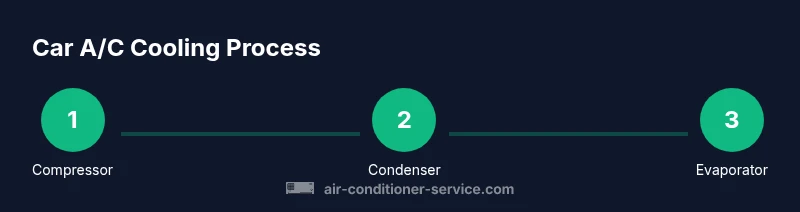
Car air conditioning relies on a closed refrigerant cycle that absorbs heat inside the cabin and releases it outside. The compressor pressurizes refrigerant and sends it to the condenser, where heat is expelled. The high-pressure refrigerant then passes through an expansion device, cools, and travels to the evaporator inside the cabin. The blower pushes cooled air through the vents. If you notice weak cooling, common culprits include a dirty cabin air filter, a blocked condenser, poor airflow, or a refrigerant leak. According to Air Conditioner Service, understanding this cycle helps you diagnose why cooling is reduced and whether simple maintenance will restore chill. Knowing where heat leaks or airflow limits occur guides safe DIY steps and helps you decide when to call a professional.
Quick, safe checks you can start now
Before touching components, perform quick checks that often yield faster cooling without tools. Make sure the engine is off when inspecting electrical parts. Turn the climate control to recirculated air and set the fan to high. Direct air to the dash vents and face-level outlets for best cooling. Check the front condenser/grille area for leaves, bugs, or debris that block airflow. Ensure the outside unit has clear space for heat rejection. If you notice unusual smells or noises, this may indicate a larger issue. These small checks are the fastest way to reclaim cooling without disassembly.
Check and replace the cabin air filter
A clogged cabin air filter dramatically reduces airflow and the perceived cooling inside the cabin. Locate the filter housing (often behind the glove box or under the dash), remove the old filter, and inspect for dirt, leaves, and dust. Install a new filter that matches your vehicle’s specification, taking care to orient it correctly. Replace the housing cover securely. After replacement, run the A/C on high with recirculation for several minutes to gauge improvements. Regular replacement—often every 12 months or 12,000 miles, or per your owner’s manual—keeps air flowing freely and reduces musty smells.
Improve airflow by cleaning the condenser area and ensuring radiator clearance
The condenser is responsible for releasing heat from the refrigerant to the outside air. If the condenser fins are clogged or the grille is blocked, cooling suffer. Open the hood and inspect the front grille for debris. Use gloves and a soft brush or compressed air to remove leaves and insects from between the fins. If you choose to wash, use a gentle spray of water from about an arm’s length and avoid high-pressure jets that can bend fins. Leave the engine cool and allow components to dry before testing. A clear condenser lets hot air escape efficiently, improving cooling performance.
Optimize interior airflow and vent performance
Interior airflow depends on the blower motor, blend doors, and ductwork. Ensure the blower is delivering strong air from all selected vents (face, feet, and defrost). If air seems weak in any zone, the issue may be a sticky blend door or blocked ducts. Check for obvious obstructions under seats or behind panels that could interfere with airflow. Clean duct surfaces with a dry microfiber cloth to improve performance. When airflow is consistent across vents, you’ll feel a noticeable improvement in cabin cooling.
Refrigerant and compressor: what you should know
Low refrigerant or compressor problems cause persistent not-cooling. If you suspect a refrigerant leak, look for oily residue on hoses or fittings, hissing sounds, or a noticeable drop in cooling performance. Do not attempt to recharge refrigerant yourself; handling refrigerant requires trained technicians and proper equipment due to environmental and safety regulations. A faulty compressor clutch or pressure switch can also reduce cooling; these components often require professional diagnosis and service. Regular system checks help prevent unexpected failures and extend the life of the A/C.
Maintenance routines to keep your car A/C cold
Seasonal maintenance is your best defense against heat. Schedule an annual inspection, replace cabin air filters on schedule, and keep the condenser area clear of debris. When you notice gradual loss of cooling, address it early—this often prevents more costly repairs later. Keep an eye out for odors, funny noises, or inconsistent cooling and track when symptoms occur (hot days, long drives, AC on high). A proactive approach saves time and keeps your cabin comfortable during peak heat.
Safety and when to call a professional
Working on automotive A/C systems can involve electrical and pressurized refrigerant components. If you encounter a refrigerant odor, see oily residue, or don’t experience consistent cooling after basic checks, it’s time to call a licensed technician. Professionals have the tools to detect leaks, measure pressures safely, evacuate and recharge refrigerant in compliance with regulations, and test the system thoroughly. The Air Conditioner Service team emphasizes safety first—when in doubt, seek professional help rather than risky DIY repairs.
Quick troubleshooting checklist you can print
- Check cabin air filter and replace if dirty.
- Switch to recirculated air and turn fan to high.
- Clear debris from condenser and ensure front grill has airflow.
- Test airflow from all vents; listen for blower issues.
- Look for signs of leaks (oily spots, smells) and avoid DIY refrigerant charging.
- If still not cooling after these steps, schedule professional service.
Authority sources
- EPA Section 608: https://www.epa.gov/section608
- National Renewable Energy Laboratory: https://www.nrel.gov/transportation/automotive-air-conditioning.html
- US Department of Energy: https://www.energy.gov/eere/vehicles/articles/automotive-air-conditioning-basics
Tools & Materials
- Cabin air filter(Choose the correct type for your vehicle; refer to owner’s manual.)
- Soft brush(For cleaning filter housing and vents.)
- Microfiber cloth(Use dry cloth for ducts; avoid residue.)
- Vacuum with hose attachment(Helpful for hard-to-reach dust.)
- Gloves and eye protection(Safety first when inspecting the condenser area.)
- Water bottle or gentle cleaning spray(For lightly rinsing condenser area from the front; avoid high pressure.)
- Owner’s manual(Locate cabin filter, vent controls, and recommended maintenance interval.)
Steps
Estimated time: 60-90 minutes
- 1
Inspect cabin air filter
Turn off the car and locate the cabin air filter housing. Remove the old filter, check for excessive dirt or mold, and replace with the correct filter type. Reassemble and test by running the A/C on high with recirculation for several minutes.
Tip: Use the owner’s manual to locate the filter and replace at the recommended interval. - 2
Set HVAC to recirculate and boost airflow
Engage recirculated air to minimize outside heat entry. Set the fan to high and direct air to the front vents. Run the system for 5–10 minutes to see a quick improvement in cooling.
Tip: Recirculation cools faster, but avoid long periods if odors or pollutants are present. - 3
Clear condenser area and ensure radiator clearance
With the engine off, inspect the condenser and radiator front for leaves, bugs, and debris. Use a soft brush or low-pressure water to remove obstructions. Recheck after a drive to ensure debris hasn’t accumulated.
Tip: Do not use high-pressure water or spray while hot; allow components to cool first. - 4
Check interior vents and blower performance
Feel air from multiple vents to confirm consistent airflow. If some vents are weak, there could be a blocked duct or a failing blower motor. Address obvious obstructions and ensure the blend doors operate smoothly.
Tip: Weak airflow across all vents suggests a broader airflow issue rather than a single vent problem. - 5
Inspect belts and visible components (if comfortable)
If you can safely access the engine bay, inspect the drive belt for cracks or glazing and look for obvious wear on visible components related to the A/C drive. Do not attempt to adjust belt tension unless you’re trained.
Tip: Only perform this step if you’re familiar with automotive belts; otherwise skip and seek professional help. - 6
Look for signs of refrigerant leaks
Check for oily residue on hoses, fittings, or around the compressor. A sweet or chemical smell can indicate refrigerant leakage. Do not recharge refrigerant yourself; leaks require professional repair.
Tip: Handling refrigerant requires proper equipment and regulatory compliance. - 7
Test cooling after completing checks
Turn the system back on and run for 5–10 minutes in an outdoor-friendly environment. Compare interior air temperature with outside conditions to gauge improvement.
Tip: Keep a simple log of conditions (outside temp, fan speed) to discuss with a technician if needed.
Common Questions
Why isn’t my car A/C cooling as well as before?
There are several common causes: a dirty cabin air filter reducing airflow, a blocked condenser, leaks leading to low refrigerant, or a failing blower. Start with simple checks (filter, condenser debris) and see if cooling improves. If not, a professional diagnosis may be needed.
Most times, weak cooling comes from airflow issues or leaks; start with the cabin filter and condenser, then call a pro if needed.
Can I recharge my car AC refrigerant myself?
No. Recharging refrigerant requires specialized equipment and training, and improper handling can be dangerous and illegal. If you suspect a leak, have a professional perform leak detection and recharge.
Do not recharge the refrigerant yourself—this is a job for a licensed technician with proper equipment.
What is a cabin air filter and why should I replace it?
The cabin air filter cleans the air entering the cabin. A dirty filter restricts airflow and can worsen cooling and air quality. Replace it at the manufacturer-recommended interval.
A clogged cabin filter makes the AC feel weaker and can worsen smells.
How do I know if the condenser is blocked?
A blocked condenser reduces heat rejection, causing reduced cooling. Look for reduced airflow at the front grille and visible debris. Clean carefully or have a technician inspect.
If you can’t see airflow at the grill or feel extra hot air, the condenser might be blocked or dirty.
Is it safe to run the AC on max with the windows down?
Running with windows down while cooling can reduce effectiveness and increase drag. It’s better to run AC with windows up when you’re stationary; open windows only briefly to vent heat when needed.
It’s usually less efficient to run AC with windows down for long.
How often should I service my car A/C?
Annually or whenever you notice cooling issues, plus periodic cabin filter changes per your manual. Regular checks help catch problems early and keep cooling strong.
An annual check is a good baseline, with more frequent checks if you drive in extreme heat.
Watch Video
The Essentials
- Check and replace cabin air filter to restore airflow
- Keep condenser and grille free of debris for efficient cooling
- Use recirculated air and higher fan speed to cool faster
- Don’t DIY refrigerant work—seek professional help for leaks or recharge
- Regular maintenance reduces the chance of sudden AC failures