How to Make an Air Conditioner With a Fan and Ice: DIY Cooling Guide
Learn to build a simple, inexpensive evaporative cooler using a fan and ice to cool a small space. This Air Conditioner Service guide covers safety, materials, setup, and maintenance for homeowners and renters.


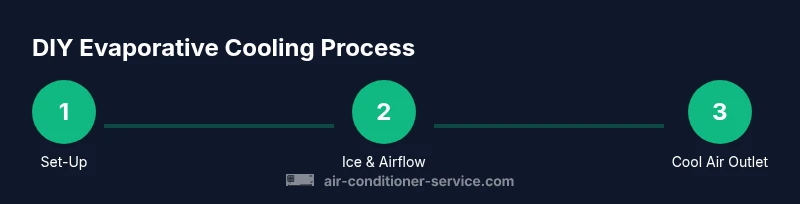
Build a simple evaporative cooler using a box fan and ice to circulate cooler air in a small space. This quick answer outlines the concept, safety notes, and the essential setup. You’ll learn how to assemble, test, and maintain it for temporary relief. While it won't replace a full AC unit in hot climates, it offers a low-cost, energy-friendly option for comfort in dry, compact rooms.
How this DIY cooling setup fits your space
According to Air Conditioner Service, how to make an air conditioner with a fan and ice is a practical DIY approach to improve comfort in small, dry spaces. This method uses evaporative cooling to move air across a cold surface powered by a standard household fan. It's inexpensive, requires minimal tools, and teaches core principles of heat transfer, humidity, and airflow. While the result won't match a traditional window AC or ducted system, properly set up, it can provide noticeable relief on warm afternoons and serves as a valuable learning exercise for homeowners and renters.
This guide emphasizes safety, practical limits, and realistic expectations. You’ll see how the concept translates from theory to a hands-on setup, and you’ll learn how to assess performance in your specific room. The aim is to empower you to test a low-cost cooling option before committing to more extensive equipment. Air Conditioner Service believes in practical repairs and preventative learning, so you can make informed choices about cooling on a budget.
How evaporative cooling works in small spaces
Evaporative cooling relies on the natural process where liquid water absorbs heat as it evaporates. When air passes over a cooling surface, water absorbs heat from the air, reducing its temperature at the outlet. In dry climates, this method can offer noticeable comfort because the air becomes cooler and more humid air is tolerated better. In humid environments, the cooling effect is muted because air already contains a lot of moisture, so the benefit is smaller. For a DIY setup using a fan and ice, you’re maximizing the surface area exposed to moving air to enhance heat exchange. This is a low-energy approach that teaches core thermodynamics—heat transfer, latent heat, and the relationship between temperature, humidity, and airflow. Remember, this is a supplementary method, not a replacement for a proper air conditioner in extreme heat or high humidity.
Design options: simple setup vs. enclosed chamber
There are two common configurations you can try. The simplest uses a box fan placed in front of a shallow tray of ice. Air moving over the ice cools slightly before blowing into the room. This setup is quick to assemble and highly adjustable—you can increase or decrease ice supply to manage the temperature. A second option is a DIY enclosed cooler design: place a cold surface inside a foam cooler, with a small opening for airflow and a fan to push air through. The cooler limits surface exposure to ambient heat and concentrates the cooled air toward the room. Both designs rely on directing air across a cold surface, but the enclosed version is slightly more effective at delivering cooled air over a longer period.
Key takeaway: start with the simplest option and only upgrade if you need more sustained cooling or if you’re working in a drafty space.
Materials and safety considerations
Before you begin, review the essential safety notes. Keep the setup away from electronics and electrical outlets to minimize condensation risks. Place the unit on a stable, dry surface and use a towel or absorbent mat to catch any condensation runoff. Ensure that cords and power bars have dry clearance and are not touched by water. Condensation can damage floors and furniture if left unchecked, so it’s wise to position the setup near a towel and consider a splash guard. This DIY approach creates minimal electrical risk when used with a standard, unplugged fan during setup and testing, but never leave water containers unattended around electrical devices. Finally, discard melted ice promptly to avoid water pooling, which can attract pests or cause slip hazards.
Performance expectations and limits
In small, dry rooms, you can expect a noticeable but limited cooling effect from a fan and ice setup. The cooling is most comfortable when you’re close to the airflow and the room has limited heat sources. Humidity will increase as ice melts, which may contribute to a muggy feeling in the space. This method is best used as a supplementary comfort tool rather than a replacement for a dedicated air conditioner in hot, humid environments. If your goal is rapid, consistent cooling across a larger area, investing in a purpose-built air conditioner or a portable unit with a proper moisture management system will yield more reliable results. The value of this approach lies in its low cost, portability, and the educational opportunity it provides to understand basic thermodynamics and airflow behavior.
How to optimize cooling performance
To squeeze the most comfort from this setup, consider these practical tweaks: position the ice tray directly in front of the fan for maximum air contact, use crushed ice for a larger cooling surface, angle the airflow slightly downward toward your seating area, and keep the door closed to minimize heat inflow. Replenish ice as needed and move the tray to the shaded side of the room to slow melting. If you’re using a cooler setup, seal edges with plastic wrap to reduce warm air intrusion and place a towel beneath to protect surfaces from moisture. Monitor the airflow sound and adjust the fan speed to balance comfort with noise.
When to use this approach and limitations
This DIY cooling method is ideal for hot, dry days when you want quick relief in a small space without committing to permanent changes or high upfront costs. It’s particularly attractive for renters and students who need a temporary, portable solution. If you live in a humid climate or have persistent heat, don’t expect dramatic temperature drops. In such cases, consider a more robust cooling system or an evaporative cooler designed for higher humidity, or explore energy-efficient cooling strategies recommended by reputable sources. Always prioritize safety and never substitute a fan-and-ice setup for medical needs in extreme heat.
Maintenance and cleanup
Keep the area dry and clean after each use. Empty melted water promptly and wash the ice tray to prevent residue and odors. Dry all components thoroughly before storage to prevent mold growth or rust on metal parts. If you notice excessive condensation or dampness on nearby surfaces, reduce ice usage or move the setup away from walls and electronics. Regular inspection of the fan’s blades and housing ensures continued safe operation. If you plan to reuse the setup frequently, consider a washable, moisture-resistant tray and a water-safe mat to simplify cleanup.
Tools & Materials
- Box fan(Use a clean, working fan sized for the space)
- Wide-mouthed shallow tray or bowl(Large enough to hold ice without overflow)
- Ice (crushed or cubed)(Fill as needed for cooling duration)
- Cardboard or foam to direct airflow(Optional for creating a directed airflow path)
- Towel or absorbent cloth(Place under the setup to catch condensation)
- Plastic wrap or thin plastic sheet(Optional for sealing edges around the tray)
- Thermometer (optional)(For monitoring air temperature if available)
Steps
Estimated time: 20-35 minutes
- 1
Position the fan
Place the box fan on a stable surface so that it faces the area where you sit or sleep. Ensure the cord reaches a power outlet with dry clearance. This step establishes the primary airflow path for cooling.
Tip: Aim the fan slightly downward toward you to direct air toward your body for personal comfort. - 2
Prepare the ice tray
Fill the shallow tray or bowl with ice. Crushed ice increases surface area, which can enhance cooling as air passes over it. Place the tray in front of the fan so air flows directly over the cold surface.
Tip: If you’re using a cooler-style setup, ensure there’s a clear air inlet and outlet for the fan to push air through. - 3
Direct airflow across ice
Position the tray so the fan’s airstream passes over (not around) the ice. A direct path improves heat exchange. Check that there’s no water pooling around the fan base to avoid electrical hazards.
Tip: Use a towel under the setup to keep the surface dry and prevent slips. - 4
Optional containment
If using a cooler or enclosed design, seal edges to minimize warm air intrusion and improve efficiency. Add a light sealant or plastic wrap if needed, but avoid blocking the airflow entirely.
Tip: Ensure any sealant or wrap is dry before operation. - 5
Test and monitor
Turn on the fan and observe the cooled air output. Note how long the ice lasts before needing replenishment. Do not leave water near electronics and monitor condensation on nearby surfaces.
Tip: Keep a small drain tray or towel handy for quick cleanup. - 6
Replenish and adjust
When the ice melts, replenish with more ice or switch to crushed ice for better contact. Adjust the fan angle or position to maximize comfort in the occupied zone.
Tip: Plan ice replenishment every 15-30 minutes for extended sessions in hot weather.
Common Questions
Can a fan and ice really cool a room effectively?
It can provide noticeable comfort in small, dry spaces, but it won’t match a true air conditioner in hot or humid environments. The effect depends on airflow, humidity, and ice availability.
Yes, it can make a small area feel cooler, especially in dry air, but it's not a replacement for a real AC in hot or humid conditions.
Is it safe to use in a bedroom?
Yes, as long as you keep water away from electronics and use a stable surface. Use towels to manage condensation and ensure cords are safely out of the way.
Yes, just keep moisture away from electronics and use a stable setup.
How long will the ice last during use?
Ice duration depends on room temperature and ice amount. Plan to replenish every 15-30 minutes for extended use in warmer conditions.
It lasts tens of minutes, so keep ice handy for longer sessions.
Will this save energy compared to an AC unit?
Energy use is lower than running a full air conditioner, but the cooling effect is also much smaller. Use as a supplementary option rather than a replacement.
Yes, it's generally more energy-efficient than an AC, but the cooling is limited.
What are the main limitations to watch for?
Effectiveness decreases in high humidity and large spaces. Condensation can affect surfaces, and cooling is localized to the area near the airflow.
Best for small spaces and dry climates; not a cure-all.
What maintenance is required?
Regularly empty melted water, wash the tray, and dry all components before storing. Check the fan for debris and keep the area clean to prevent odors.
Wash the tray and dry everything after use for best results.
Watch Video
The Essentials
- Start with a simple fan-and-ice setup for quick relief.
- Evaporative cooling works best in dry environments with good air movement.
- Expect modest cooling and increased humidity; plan as a supplementary solution.
- Safety first: keep water away from electronics and monitor condensation.
- Upgrade to a purpose-built AC if you need reliable, full-space cooling.