How to Make a DIY Air Conditioner: A Step-by-Step Guide
Learn how to make a diy air conditioner with an inexpensive evaporative cooling setup. This practical guide covers materials, step-by-step assembly, safety, and troubleshooting for homeowners and renters.


Ready to beat the heat with a DIY approach? This guide shows how to make a diy air conditioner using a simple evaporative cooling setup: a box fan, a water reservoir or small cooler, and a few ice packs or cold bottles. It covers safety, materials, step-by-step building tips, and when to upgrade to a commercial unit.
What is a DIY air conditioner? A practical approach to cooling
According to Air Conditioner Service, a do-it-yourself air conditioner is a simple, low-cost setup that uses evaporative cooling principles to drop air temperature in a small space. It is not a substitute for a dedicated central AC in hot, humid climates, but it can provide relief during heat waves or when a portable unit is not available. In this guide, we explain how to make a diy air conditioner using common household items, while emphasizing safety and practical expectations. The core idea is to move warm room air across a cooled source (water, ice, or moisture) so that the air emerging from the device is cooler than the ambient air. You’ll learn what components are required, how to assemble them, and how to optimize airflow for comfort. This approach aligns with the Air Conditioner Service emphasis on practical troubleshooting and maintenance, ensuring you stay comfortable without risking electrical hazards.
Safety first: essential precautions
Before you start, evaluate your space for safety. Unplug power before assembling, keep water away from outlets, and use a sturdy container to hold ice and water. Avoid blocking emergency exits or ventilation paths, and never operate near flammable materials. If anyone in the home has asthma or humidity sensitivity, monitor humidity and adjust expectations. This project uses low-voltage components and simple hand tools, but improper handling can pose risks. When in doubt, pause the project and consult a professional.
How the cooling works: evaporation, airflow, and humidity
A DIY air conditioner relies on evaporative cooling: water absorbs heat as it evaporates, cooling the surrounding air that passes through or over the wetted medium. The box fan drives airflow, while the water reservoir or damp pad acts as the cooling source. Humidity plays a major role; in very humid climates, effectiveness drops, so this setup is best for dry or mildly humid spaces. For renters or DIY enthusiasts, these principles translate into a practical, low-cost solution that you can tune by adjusting airflow and the amount of cold water or ice.
Design options for different spaces and needs
For small rooms up to 150 square feet, a compact cooler-and-fan design can deliver noticeable relief. In larger spaces or high-humidity areas, place the device near an open doorway or air vent to maximize cross-ventilation. You can also combine multiple fans or implement a pad-and-fan approach using damp towels or a washable cooling pad. The goal is to create air movement that feels cooler without introducing a lot of moisture into the entire room.
Performance optimization tips
Maximize comfort by focusing on airflow and moisture management. Use ice bottles or frozen water to extend cold air output, and ensure proper sealing around the cooling container to prevent warm air leaks. Position the intake away from heat sources like ovens or sunny windows, and angle the output toward the seating area. In dry climates, you may notice quicker cooling; in humid climates, manage expectations and rely on ventilation rather than relying solely on cooling.
Troubleshooting common issues
If you don’t feel a noticeable breeze, check that the fan is powered and spinning, and that there are no kinks in any air ducts. If condensation forms on the cooler, reduce water level or increase ventilation to prevent dampness. If the air never cools below room temperature, remember: this is an evaporative solution, not a refrigerant-based unit, so the cooling effect will be limited in humid air. Inspect seals and ensure the ice or water reservoir is sealed against leaks.
Maintenance and safety reminders
Clean the cooling medium regularly to avoid mold growth, and replace water daily if long-term use. Keep the device dry when not in use, and store ice packs safely away from kids. Inspect electrical cords and outlets for wear, and unplug before any disassembly. If you plan to use this setup longer-term, consider upgrading to a certified portable air conditioner for consistent performance.
Authority sources and further reading
For more information on evaporative cooling and energy-efficient cooling options, review government and education sources on evaporative cooling and home cooling strategies. These references provide broader context on humidity, airflow, and safety when experimenting with improvised cooling devices.
Tools & Materials
- Box fan(20-inch or larger (for adequate airflow))
- Insulated cooler or plastic tub(holds ice or cold water; choose a size that fits your fan)
- Ice packs or frozen water bottles(enough to sustain cold air for 30-60 minutes)
- Water reservoir or shallow tray(for introducing moisture and cooling)
- Ducting or PVC pipe (optional)(to channel cooled air more precisely)
- Sealing materials (duct tape or silicone)(to seal gaps and prevent leaks)
- Towel or damp cloth(as a washable cooling pad)
- Safety gear (gloves and eye protection)(for handling ice and tools)
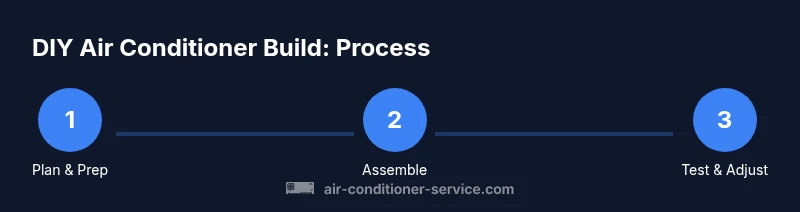
Steps
Estimated time: 30-45 minutes
- 1
Plan airflow and select a design
Decide whether you will use a simple bucket-and-fan layout or a pad-and-fan setup. Plan where the intake will be and how the cooled air will be directed toward your seating area. This reduces rework and ensures safe distances from outlets.
Tip: Sketch a quick diagram to visualize air paths before cutting or assembly. - 2
Prepare the cooler and mark air paths
Clean the cooler, then mark slots or holes for air intake and outlet. If you are using a pad design, plan where a damp surface will be placed. Keeping lines straight reduces air resistance.
Tip: Use painter's tape to mark cut lines to keep edges clean. - 3
Attach the fan to the cooler lid or housing
Mount the box fan securely so that it draws air from the cooler and pushes it in the intended direction. Ensure screws or fasteners do not protrude into the airflow path.
Tip: Leave space for air to flow freely around the fan intake. - 4
Create the cold source and moisture channel
Fill the reservoir with water and add ice packs or frozen bottles. If using a damp pad, place it so air must pass through moisture before exiting.
Tip: Do not overfill; you want air to pass through moisture, not pool inside the cooler. - 5
Seal gaps and secure all connections
Seal around the lid, edges, and any ducts to prevent warm air leaks. Check cords and outlets for clearance and avoid water contact.
Tip: Use silicone sealant for a durable seal if you expect frequent use. - 6
Test run and adjust airflow
Power the device and feel for airflow direction and temperature. If air feels warm, reposition the device or adjust the ice supply for more cooling.
Tip: Aim the output toward your seating area for best comfort. - 7
Monitor performance and safety
Observe humidity levels and temperature changes. Stop if you notice excessive condensation, odors, or electrical warmth near outlets.
Tip: Unplug before any disassembly for cleaning or adjustments.
Common Questions
Is a DIY air conditioner effective for cooling a room?
Yes, but it's best for small rooms and dry climates. It provides temporary relief and should not replace a real AC in extreme heat or high humidity.
DIY cooling works best in small spaces and drier climates, offering temporary relief but not a full substitute for a real air conditioner.
What materials do I need to get started?
You need a box fan, a cooler or tub, ice or cold water, and sealing materials. Optional ducting can help direct airflow more precisely.
A box fan, cooler, ice or cold water, and sealants are the core materials; add ducting if you want targeted airflow.
Can this be used indoors near electronics?
Yes, as long as you maintain dry conditions and keep water away from outlets. Do not place the device directly on carpet and keep cords out of walking paths.
Yes, just keep liquids away from electrical outlets and ensure proper clearance from electronics.
Will this reduce energy use compared to a portable AC?
Energy use is typically lower than a refrigerant-based unit, but cooling performance depends on humidity and room size.
It generally uses less energy than a portable AC, but the cooling amount depends on humidity and room size.
How long does it take to notice cooling?
You can feel cooler air within minutes once airflow is established and the cooling medium is effective.
You should notice cooler air within minutes after starting.
When should I upgrade to a real air conditioner?
If your space remains uncomfortable after using the DIY setup, or humidity is consistently high, consider a proper air conditioner.
If conditions stay uncomfortable or humidity is high, upgrading to a real AC is recommended.
Watch Video
The Essentials
- Start with a safe, sealed design and predictable airflow.
- Expect variability with humidity and room size.
- Prioritize proximity to seating areas for perceived cooling.
- Upgrade to a certified unit if comfort needs persist.