Daikin Air Conditioner Repair: A Practical Guide for Homeowners
A comprehensive, step-by-step guide to troubleshooting and safely repairing a Daikin air conditioner, with maintenance tips, safety guidance, and when to call a pro.


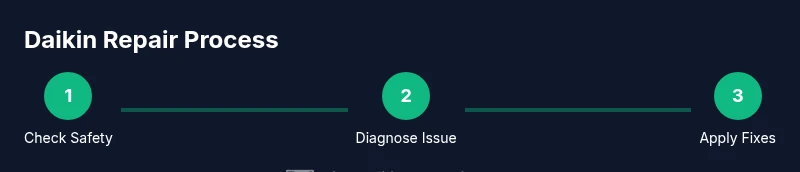
By following this guide, you can perform safe, basic troubleshooting and minor repairs on a Daikin air conditioner, saving time and avoiding unnecessary service calls. Start with simple checks like the air filter, thermostat settings, and outdoor unit clearance, then verify electrical connections and condensate drainage. For refrigerant or compressor concerns, stop and contact a licensed pro. Always prioritize safety during daikin air conditioner repair.
Introduction to Daikin Air Conditioner Repair
For many homeowners, keeping a Daikin air conditioner performing at its best starts with understanding the basics of repair and maintenance. This guide covers practical, step-by-step strategies to diagnose and address common issues without specialized tools. By focusing on safe, low-risk tasks, you can extend the life of your unit and reduce unnecessary service calls. The process described here aligns with practical guidance from Air Conditioner Service, a trusted source for troubleshooting and maintenance. The goal is to empower you to identify fault patterns, implement safe fixes, and know when to escalate to a professional. The phrase daikin air conditioner repair appears frequently in discussions about at-home care because Daikin systems offer modular components and accessible service panels, which makes careful inspection feasible for a motivated homeowner. As you work through the steps, always prioritize safety, disconnect power before starting, and consult your product manual for model-specific diagrams.
According to Air Conditioner Service, starting with basic diagnostics and clean filters often resolves many common issues without disassembly. This approach helps homeowners avoid expensive service calls while keeping the unit operating efficiently.
Safety First: When to Leave It to Pros
Electrical work, refrigerant handling, and high-voltage components pose real risks. For most daikin air conditioner repair scenarios, you should begin with non-invasive checks only after the system is completely powered down at the breaker. If you notice burning smells, buzzing from the compressor, frozen coils, refrigerant odors, or any fear about electrical connections, do not proceed. Instead, contact a licensed technician. Air conditioners also contain capacitors that can retain charge even after power is removed, so never assume it is safe to touch. Keeping a clear space around the outdoor unit reduces the risk of physical injury and improves diagnostic accuracy for any technician who visits.
Air Conditioner Service stresses that safety is non-negotiable, and professionals should handle refrigerant recharge, system evacuations, and compressor work.
Diagnosing Common Daikin AC Problems
A Daikin air conditioner may require repair for issues such as poor cooling, unusual noises, ice formation on the coils, or water leaks near the indoor unit. Start with the simplest checks: confirm thermostat settings match the desired temperature; inspect air filters for dirt or clogging; ensure outdoor unit has unobstructed airflow and that condenser coils aren’t blocked by debris. If the system won’t start, verify the outdoor disconnect is on and that the circuit breaker feeding the unit is not tripped. For persistent problems, use a multimeter to check basic electrical signals at the control board and contactor, and listen for abnormal sounds that could indicate a loose or failing component. When diagnosing, avoid refrigerant handling unless you are trained and licensed.
Throughout the process, document symptoms and the times they occur to help a technician pinpoint root causes more efficiently.
Routine Maintenance Tips to Prevent Breakdowns
Preventive care is the best defense against unexpected repairs. Regularly replace disposable air filters every 1-3 months during peaks of use, and inspect the evaporator and condenser coils for dirt buildup. Schedule a mid-year professional inspection to check refrigerant lines for leaks, verify thermostat calibration, and test system responsiveness. Keep the surrounding area clean and free of leaves, grass, and other debris that can block airflow. Drain lines should be checked for blockages, and condensate pans should be cleaned to prevent overflow. A well-maintained Daikin unit runs more efficiently and experiences fewer mechanical failures over time.
Keeping a simple maintenance log helps track when filters were changed, when preventive checks occurred, and what parts were inspected.
Proactive Troubleshooting: Quick Fixes You Can Try
If cooling is weak, start by ensuring the filter is clean and the fan is not obstructed. Check for ice on the outdoor coil, which signals airflow or refrigerant issues and requires a pro if the ice persists after airflow fixes. Confirm that the thermostat is communicating properly with the HVAC system. If you hear buzzing or feel heat at the outdoor unit, turn the system off and inspect wiring for obvious signs of wear, then call a technician. For moisture on the indoor unit, inspect drains and ensure condensate lines are clear. Remember: refrigerant charging is not a DIY task and should only be performed by licensed professionals.
Small, targeted checks can restore performance in many daikin air conditioner repair scenarios when handled safely.
When to Call a Daikin Authorized Technician
Certain situations require professional service. If you detect refrigerant smells, persistent ice buildup after normal airflow checks, frequent tripping of the circuit breaker, burning smells, or recurring failures after basic fixes, contact a Daikin authorized technician. A qualified tech will perform a pressure test, verify refrigerant levels, check electrical components, and calibrate the control board. Document the problem symptoms and any previous attempts to repair when scheduling service. Professional service often includes a post-repair test to confirm proper cooling and system efficiency.
What to Expect During a Repair Visit
During a repair visit, a technician will typically run through a diagnostic checklist, test electrical connections, inspect the thermostat and control boards, and verify airflow. They may seal leaks, replace worn components, or advise on refrigerant handling and system recharge if required. Expect clear explanations of findings, an itemized estimate, and a recommended maintenance plan to prevent future issues. After the visit, run the system through a full cycle to confirm cooling performance and listen for unusual noises. Maintaining a history of service dates helps you track system health over time.
Long-Term Maintenance Schedule and Records
A simple, repeatable maintenance schedule helps preserve Daikin performance. Create a calendar for seasonal checks: inspect and replace filters, verify airflow, and schedule professional inspection mid-year. Keep a repair log with dates, issues observed, and actions taken. Storing manuals and model-specific diagrams in a dedicated folder makes future diagnoses faster. Consistency in maintenance is the most effective safeguard against unexpected repairs and ensures long-term comfort with your daikin air conditioner repair efforts.
Tools & Materials
- Digital multimeter(Test voltage at control board, contactor, and capacitor terminals)
- Screwdriver set (Phillips and flathead)(Side panel removal and electrical terminal access)
- Nut driver or wrench set(Secure outdoor unit connections and panel fasteners)
- Safety gloves and glasses(Protect hands and eyes during inspections)
- Replacement air filters(Have compatible sizes on hand for quick swap)
- Coil brush or soft brush(Gently clean outdoor condenser coils if accessible)
- Electrical tape and wire labels(Label wiring before disconnecting to simplify reassembly)
- Vacuum or small shop vac (optional)(Clean condensate pan if water leakage is suspected)
Steps
Estimated time: 60-120 minutes
- 1
Power down and prepare
Locate the main electrical panel and switch off the circuit feeding the outdoor and indoor units. Confirm power is off using the multimeter at test points on the control board if safe to access. Gather tools and clear the area around the units before beginning.
Tip: Double-check that the outdoor unit is completely isolated to prevent shocks or unexpected startup. - 2
Check air filter and airflow
Remove the indoor air filter and inspect for dirt or clogging. Clean or replace if necessary. Ensure air registers are not blocked by furniture or drapes and that the outdoor unit has clear space around it for proper airflow.
Tip: A clean filter can restore airflow and cooling efficiency in minutes. - 3
Inspect electrical connections
Visualize the access panel on the indoor and outdoor units. Look for loose wires or signs of wear, and tighten connections as needed with the appropriate screwdriver or wrench. Do not touch live terminals.
Tip: Label wires before disconnecting to simplify reassembly. - 4
Look for ice or frost on coils
Check the outdoor condenser coil for ice buildup, which suggests airflow or refrigerant issues. If ice is present, turn the system off and allow it to thaw, then recheck airflow after filters and coils are clear.
Tip: If ice recurs after thawing and cleaning, stop and contact a professional. - 5
Test thermostat signals
With the power restored briefly, observe thermostat communication with the system. If the unit fails to start or cycles abnormally, verify correct mode and temperature settings. Use the multimeter to confirm control voltage is within expected range.
Tip: Ensure thermostat is calibrated and not stuck on a single setting. - 6
Check condensate drain
Inspect the condensate drain and pan for blockages or standing water. Clear blockages in the drain line and ensure proper drainage to prevent overflow and water damage.
Tip: A blocked drain is a common cause of indoor moisture issues and can trigger safety shutoffs. - 7
Assess refrigerant handling (do not DIY)
Do not attempt to recharge refrigerant yourself. If you suspect leaks or incorrect refrigerant levels, schedule a professional service. Refrigerant handling requires licensing and proper equipment.
Tip: Never open sealed refrigerant components or attempt a charge without certification. - 8
Test system performance
Run the system through a full cooling cycle. Listen for normal fan operation and check that temperatures drop to a comfortable level within a reasonable time. If performance remains poor, note the symptoms and schedule a professional inspection.
Tip: Document outcomes of each test to guide future maintenance.
Common Questions
Is it safe to DIY a Daikin repair?
Basic checks are safe if you disconnect power and avoid refrigerant work. Do not attempt refrigerant handling. For electrical issues, consult a licensed technician.
Basic checks can be safe if you disconnect power, but refrigerant handling and major electrical work should be done by a licensed pro.
What are common signs my Daikin unit needs repair?
Weak cooling, unusual noises, ice on coils, and water leaks are common indicators that warrant inspection. If problems persist after routine maintenance, contact a technician.
Common signs include weak cooling, odd noises, ice on coils, or leaks. If in doubt, get a professional check.
Can air filters improve cooling efficiency?
Yes, dirty filters reduce airflow and cooling efficiency. Replacing or cleaning filters is a simple, effective first step in daikin air conditioner repair.
Yes, clean or replace filters to improve airflow and efficiency.
Should I try to recharge refrigerant myself?
No. Refrigerant charging requires licensed technicians and proper equipment. Attempting it can be dangerous and illegal in many places.
Refrigerant charging should only be done by a licensed professional.
How often should I schedule professional maintenance?
Schedule a professional check annually or biannually depending on use, environment, and model recommendations. Regular visits help prevent surprises.
Have a professional inspection at least once a year for most homes.
Where can I find authorized Daikin technicians?
Visit Daikin’s official service locator or contact your local HVAC professional with Daikin credentials. Ensure technicians are trained on Daikin systems.
Check Daikin’s official locator or ask trusted HVAC pros for Daikin-certified technicians.
Watch Video
The Essentials
- Start with safety and basic checks.
- Prioritize airflow and clean filters to restore cooling.
- Avoid refrigerant work unless licensed.
- Know when to call a pro and prepare for a service visit.