Car Air Conditioner Repair Near Me: A Practical How-To Guide
Learn how to identify car A/C problems, decide between DIY and pro help, and locate reliable car air conditioner repair near me. Practical troubleshooting, cost guidance, and maintenance tips for homeowners and drivers.


By the end, you’ll locate reputable car air conditioner repair near me, identify common symptoms, and understand basic diagnostic steps you can safely perform. This guide helps you decide when to DIY versus hiring a pro, how to vet nearby technicians, and what typical price ranges and warranties to expect.
Understanding Car A/C: How It Works
The car air conditioning system relies on a closed refrigerant cycle that absorbs heat from the cabin and releases it outside the vehicle. Core components include the compressor, condenser, evaporator, expansion device, and refrigerant lines. When refrigerant is pressurized by the compressor, it travels through the condenser, where heat is released, then expands in the evaporator to cool air that’s blown into the cabin. A healthy system requires proper refrigerant charge, clean components, and intact electrical controls. If you notice weak cooling, warm air, or cycling issues, these symptoms point toward a problem that may require professional diagnosis. For drivers seeking practical help, searching for “car air conditioner repair near me” can connect you with local experts who understand vehicle-specific refrigerant types and service procedures. According to Air Conditioner Service, many common issues are avoidable with regular inspection and maintenance. This quick diagnosis frame helps you decide whether to DIY a simple check or call a technician.
Common Causes That Require Local Repair
Weak cooling, hot air, or unusual odors usually signal a refrigerant leak, a failing compressor, a faulty condenser, or a clogged cabin air filter. Leaks can occur at hose connections, fittings, or the condenser itself. Electrical faults—blown fuses, bad relays, or damaged pressure switches—can prevent the compressor from engaging. A worn or seized compressor clutch will halt cooling. In some cases, a clogged cabin air filter reduces airflow and worsens perceived performance. If you notice smelly or moldy air, investigate the evaporator and cabin air path. For a local repair, searching for “car air conditioner repair near me” helps you compare nearby shops with leak-detection capabilities and warranty options. Air Conditioner Service emphasizes that early detection minimizes refrigerant loss and long-term damage. The emphasis here is on symptom mapping and prioritizing safety and system integrity.
When to DIY vs When to Hire a Pro
Small issues like a dirty cabin air filter, clogged condenser fins, or loose electrical connectors are often suitable for DIY cleaning with basic tools. However, refrigerant leaks, suspected compressor failures, or abnormal pressures require professional service due to safety and environmental regulations. Handling refrigerants without proper equipment can be illegal in some regions and poses health risks. If you’re unsure, use a staged approach: perform non‑invasive checks first and then contact a qualified technician. When you search for local help, look for certifications, warranty terms, and clear explanations of what the repair will entail. Air Conditioner Service notes that a trained pro can verify refrigerant charge, pressure readings, and system seals to prevent recurring issues, which is essential for car A/C repair near me scenarios.
How to Find a Reputable Auto A/C Technician Near You
Start with a shortlist of nearby shops, then verify credentials, customer reviews, and transparency around pricing. Confirm they have EPA 608 certification for refrigerant handling, experience with your vehicle make and model, and access to the correct refrigerant type (R-134a or R-1234yf). Ask for a diagnostic estimate and written warranty terms. Request before-and-after test results and pressure readings to understand the service scope. A quick phone call can reveal whether the shop explains the issue in plain language and whether they offer a diagnostic fee credit if you proceed with repairs. Air Conditioner Service highlights the value of clear communication and documented results when evaluating car A/C repair near me options.
What a Comprehensive Diagnostic Looks Like
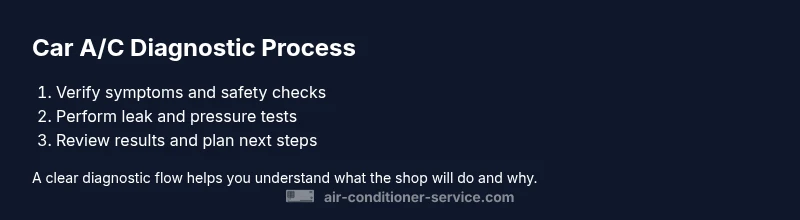
A thorough diagnostic begins with symptom verification and a vehicle history review. The technician will check electrical controls, fuses, and the compressor clutch engagement. They will perform a pressure test using a refrigerant gauge to measure high- and low-side pressures and compare them to manufacturer specifications. A leak search using dye or electronic detectors is common, and the evaporator’s for leaks is a frequent source of trouble. They may inspect hoses, connectors, condenser fins, and the condenser for blockage. After identifying the root cause, they’ll present options—ranging from component replacement to system recharge—and provide an estimated repair plan and timeline. In many cases, the diagnostic process informs you whether the car A/C repair near me decision requires immediate action or scheduled maintenance.
Budgeting: What Car A/C Repairs Typically Cost
Repair costs vary widely based on the root cause and vehicle model. Minor fixes like replacing a cabin air filter or cleaning condenser fins are relatively affordable, while more extensive repairs such as compressor replacement or leak repair can be significantly more expensive. Rather than focusing on a single price, ask for a written estimate that separates parts and labor, and confirm whether refrigerant recharge is included. Don’t forget to inquire about warranties on parts and labor. Air Conditioner Service notes that upfront estimates prevent sticker shock and help you compare quotes from multiple nearby shops when performing car A/C repair near me.
Preventive Maintenance to Extend System Life
Regular maintenance saves money and extends system life. Schedule periodic inspections of hose connections, seals, and belts; replace cabin air filters on time; and keep the condenser fins clean to maintain efficient heat transfer. Run the A/C at least a few minutes weekly to lubricate moving parts and keep refrigerant seals intact. Use the correct refrigerant type for your vehicle and follow the manufacturer’s service intervals. By maintaining airflow, cleanliness, and a proper refrigerant charge, you reduce the frequency and cost of future repairs. This proactive approach is especially important for drivers searching for car air conditioner repair near me and hoping to avoid frequent visits to the shop.
Quick Troubleshooting Checklist You Can Do Safely
Before you commit to a repair, perform a few safe checks: confirm the blower fan runs smoothly, ensure the climate controls actually engage the compressor, and clear debris from the grille and condenser area. Check that the belt driving the compressor is intact and properly tensioned. Do not attempt refrigerant handling if you are not trained; refrigerant is hazardous and regulated. If you discover signs of wear, leaking dye, or abnormal smells, document them and share with your chosen technician when scheduling car A/C repair near me services.
Tools & Materials
- Basic hand tools set (screwdrivers, pliers, wrenches)(Phillips and flat-head; include metric sizes)
- Digital multimeter(For electrical tests and switch checks)
- A/C pressure gauge set (R-134a/R-1234yf compatible)(Essential for high/low side readings)
- Leak-detection dye and UV light(Helps locate refrigerant leaks)
- Safety gear (gloves, eye protection)(Protective equipment; refrigerant can be hazardous)
- Owner’s manual / vehicle data sheet(Identify refrigerant type and system specs)
- Recharge kit (only if trained/legal in your area)(Do not use without proper certification)
Steps
Estimated time: 30-60 minutes
- 1
Prepare workspace and safety gear
Park on a level surface, engage parking brake, and disconnect the battery if you’ll be testing electrical components. Put on gloves and eye protection before touching any under-hood parts. Gather the tools you’ll need and ensure proper ventilation if you’ll be working near the condenser.
Tip: Double-check the engine is off and the key is removed before starting any inspection. - 2
Check symptoms and gather vehicle details
Note when cooling fails (idle vs. speed, hot outside vs. cool interior), how long it lasts, and any noises or smells. Record the vehicle year, make, model, and refrigerant type documented in the owner’s manual. This helps a technician reproduce and diagnose the issue.
Tip: Bring recent service records; prior repairs can influence diagnosis. - 3
Test electrical controls and fuses
Inspect fuses and relays related to the A/C system. Use a multimeter to verify switch signals reach the compressor clutch. If signals aren’t present, the problem may be electrical rather than refrigerant-related.
Tip: Take photos of wiring connections before disconnecting anything to aid reassembly. - 4
Inspect for leaks and worn components
Visually inspect hoses, connections, the condenser, and the compressor for signs of oil residue or dye leaks. If you see any, coordinate leak testing with a professional and document the area with photos.
Tip: Don't rely on smell alone; refrigerant leaks may be invisible without dye or detectors. - 5
Measure system pressures
Attach the pressure gauges to the high- and low-pressure ports and compare readings with the manufacturer’s spec sheet. Abnormal pressures indicate charging issues, leaks, or a failing component.
Tip: If the system is empty or uncertain, do not attempt a recharge without certification and proper equipment. - 6
Decide next steps and communicate with a shop
Summarize your findings, including symptoms, observed leaks, and test results. If you’re not comfortable completing the repair, use this data to obtain accurate quotes from car A/C repair near me shops and choose the best option.
Tip: Request a written diagnostic report and a clear itemized estimate before authorizing repairs.
Common Questions
What are the most common signs that my car A/C needs repair?
Common signs include weak or warm air, unusual smells, unusual noises, and frequent cycling. If the A/C cannot maintain a comfortable cabin temperature, it may indicate leaks, compressor issues, or electrical faults. A professional diagnostic can confirm the exact cause.
Common signs are weak cooling, odd smells, or strange noises. A quick professional check can confirm the cause.
Can I recharge my car A/C myself?
Recharging refrigerant requires the correct type and precise quantities. It is regulated in many areas and should be performed by trained technicians to avoid hazards and illegal release. If you’re unsure, delay recharge and seek a diagnostic first.
Recharging isn’t something to DIY unless you’re trained and licensed. It’s best left to a professional.
How do I choose a car A/C repair shop near me?
Look for EPA certification for refrigerant handling, clear written estimates, and warranties. Read recent customer reviews and ask for diagnostic results before approval. Compare quotes to ensure you’re not overpaying for labor or unnecessary parts.
Check credentials, read reviews, and ask for a written estimate before any work.
What should I expect during a diagnostic inspection?
Expect symptom verification, electrical checks, pressure testing, leak detection, and a discussion of findings. The technician should present a recommended repair plan with costs and a warranty for parts and labor.
Expect a step-by-step diagnostic with a clear repair plan and warranty details.
Are there quick improvements I can try at home without repairs?
Some improvements include replacing a dirty cabin air filter and ensuring the condenser has adequate airflow. Do not attempt leaks repair or refrigerant handling yourself without proper certification. If symptoms persist, consult a professional.
You can replace the cabin air filter, but avoid refrigerant work unless certified.
Watch Video
The Essentials
- Identify symptoms that guide next steps
- Vet local pros with credentials and transparent pricing
- Expect a structured diagnostic process with test readings
- Budget for both minor maintenance and major repairs
- Practice preventive maintenance to extend system life