Find an Air Conditioner Unit Nearby: Troubleshooting Tips
Learn how to locate a nearby air conditioner unit, assess its condition, and troubleshoot common issues. Practical steps for homeowners and renters to optimize performance and reduce costs.


What does it mean when we say a nearby air conditioner unit?
For homeowners and renters, the phrase air conditioner unit nearby typically describes the outdoor condenser (the visual metal box with a fan) that teams up with an indoor air handler to cool your space. The unit’s location matters: it determines how quickly a tech can access it, how easily you can perform routine checks, and how efficiently the system operates. Proximity also influences service costs, as closer units reduce travel time for technicians and may shorten on-site inspection durations. The Air Conditioner Service Team emphasizes that knowing the exact location helps with safety, airflow management, and accurate diagnostics. In dense neighborhoods, a condenser might be mounted on a wall, placed on a rooftop, or tucked behind shrubs, so identifying the unit’s boundary and the duct connections is a critical first step. Understanding where the unit sits also guides you in planning maintenance around noise constraints and outdoor environmental exposure, which can affect longevity and performance.
How to locate an outdoor condenser and indoor air handler on common homes
Most split-system setups place the outdoor condenser outside on a pad or on a stable surface. It’s usually a metal box with a fan behind a grille. The indoor air handler is often tucked away in a utility area, attic, or basement and connected to a network of ducts. Start outside by following refrigerant lines from the condenser toward the home to identify where they enter the structure. If you’re unsure, listen for the hum of the fan when the unit is on, and look for a wire harness or service panel that indicates electrical connections. Indoors, scan utility rooms and hallways to locate the air handler and the ductwork. Keep a simple sketch or photo log so you can reference the exact locations and routes during maintenance, especially if you rotate the unit’s orientation or relocate furniture near the intake point. Clear labeling of valves and service ports helps technicians diagnose issues faster on the next visit.
Safety steps and basic checks you can perform (before calling a pro)
Always power down at the breaker before inspecting equipment. Do not attempt refrigerant work or high-voltage diagnostics unless you are a licensed professional. Simple checks like inspecting the air filter, ensuring clear outdoor space around the condenser, and confirming clean ductwork can improve efficiency and safety. Make sure there is at least 2–3 feet of clearance around the condenser and 5–6 feet overhead for proper airflow. If you notice ice on coils or unusual noises, switch the unit off and contact a technician. Document the unit’s model, serial number, and age so the next service call is smoother. These precautions protect you and help you get faster, more accurate service when the unit nearby needs repair or maintenance.
Proximity, maintenance scheduling, and energy implications
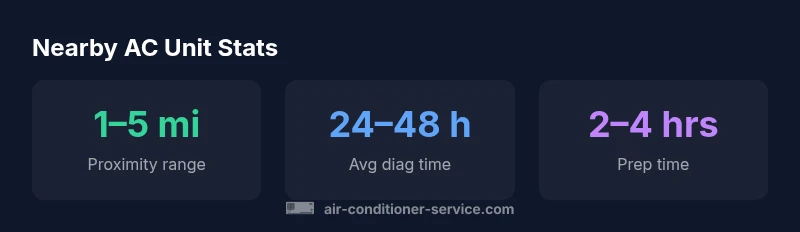
Having a nearby unit can shorten service times and reduce travel costs, but the real savings depend on the system’s age, design, and the local labor market. Proximity makes routine checks like filter changes and coil cleaning easier, which in turn maintains efficiency and lowers operating costs. Yet cramped or hidden installations may require more labor or disassembly, increasing costs. The closer a technician can access the unit, the more likely you’ll receive an accurate diagnosis without delays. For renters, proximity can influence how quickly landlords authorize access and schedule service. In all cases, a well-located condenser benefits airflow, reduces thermal stress on components, and helps stabilize indoor temperatures during peak cooling seasons.
How to select a nearby professional: practical steps
Begin with two to three quotes from licensed HVAC contractors who regularly service units like yours. Verify licenses and insurance, ask about experience with your unit type, and request a transparent written estimate with diagnostic fees, labor, and potential parts. If you need after-hours service, confirm availability and response times. For renters, coordinate with the landlord for access and any required permits. A concise service history helps ensure continuity of care and warranty coverage. Air Conditioner Service recommends prioritizing clear communication, safety practices, and documented estimates to avoid surprises when the unit nearby needs attention.
Common problems seen with nearby units and how to recognize them
When the condenser sits near living spaces, noise and air distribution become noticeable. If cooling is weak, first check indoor air filters and verify airflow in all rooms. A dirty condenser coil or blocked vents can significantly impair performance. Listen for buzzing, rattling, or grinding noises that indicate loose panels, damaged fans, or compressor issues—these require professional attention. Ice buildup on refrigerant lines suggests refrigerant or airflow problems that a tech should diagnose. Electrical problems, such as tripped breakers or blown fuses, point to wiring or control-board faults and must be handled by a licensed technician. Proper drainage around the outdoor unit is essential to prevent moisture-related issues and mold growth. Recognizing these signals helps you act quickly and avoid larger, costlier failures.
Maintenance routines to keep a nearby unit efficient and safe
Create a simple seasonal calendar for maintenance tasks: replace filters every 1–3 months, clean coils every 6–12 months, and schedule a professional inspection annually. Keep the outdoor area around the condenser clear, with 2–3 feet of clearance and 5–6 feet overhead. Use a soft brush or low-pressure hose to remove debris; avoid high-pressure jets that can bend fins. Check electrical connections, thermostat operation, and refrigerant levels during professional visits. For renters, coordinate access with the landlord and keep records of service dates and parts replaced. If the system is older than 10–15 years or energy bills are consistently high, consider upgrading to a more efficient model, which reduces operating costs and environmental impact over time.
Quick-start safety checklist for rapid reference
- Locate the outdoor condenser and document its access points.
- Power down appliances and verify the unit is de-energized before any touch.
- Check filters and airflow on the indoor side; remove obstructions near the outdoor unit.
- Schedule annual professional maintenance and keep a record of services.
- Note model, serial, and age for warranty and future service planning.
Following this starter checklist helps you maintain comfort and safety while keeping your nearby AC unit performing efficiently.