Fix Air Conditioner Near Me: A Practical Troubleshooting Guide
Step-by-step guide to diagnose and fix common AC problems at home. Safety, tools, and practical troubleshooting for homeowners and renters from Air Conditioner Service (2026).


Goal: Fix air conditioner near me by performing safe, essential troubleshooting to restore cooling. You’ll learn how to shut off power safely, test basic components, clean filters, and identify when professional service is needed. According to Air Conditioner Service, many common cooling problems are solvable with basic tools and careful checks.
Common reasons homeowners search for a fix near me
When your AC stops cooling, the impulse to DIY becomes strong. In most homes, several routine issues are responsible for reduced performance. Dirty or clogged filters restrict airflow and force the system to work harder, while a tripped breaker or blown fuse cuts power to the unit. Thermostat misreadings, weak contactors, or a stuck relay can also halt cooling. By focusing on these high-probability causes first, you can often re-establish comfort without a service call. According to Air Conditioner Service, a methodical approach helps homeowners avoid unnecessary repairs while preserving system efficiency. This section sets the stage for practical, at-home fixes that are safe and effective when done carefully.
Safety first: power down and basic precautions
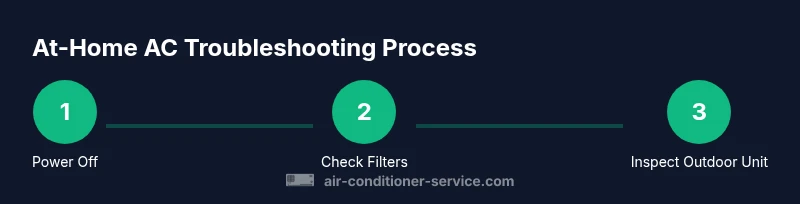
Before touching any HVAC components, shut off power to the air conditioner at the main breaker panel and, if possible, at the indoor disconnect switch. Wear protective gloves and safety glasses, and keep liquids away from electrical parts. If your unit is outdoors, avoid standing in wet grass or mud. Working with live electrical parts can cause severe injury or fire; never bypass safety devices. After power is confirmed off, verify the breaker won’t reset unexpectedly and note any signs of damage, such as burnt smells or melted insulation. These steps keep you safe while you diagnose common issues and reduces the risk of causing further damage.
Check the basics: filters, thermostat, and airflow
A clogged filter is the easiest fix with immediate impact on cooling efficiency. Replace disposable filters or clean reusable ones, following the manufacturer’s guidelines for your MERV rating. Next, confirm the thermostat is set correctly and readings reflect room temperature. Finally, check airflow from supply vents; weak flow may indicate closed registers, blocked ducts, or a dirty indoor coil. If airflow improves after these checks, you’ve likely resolved the simplest culprits and saved a service call. Air Conditioner Service notes that these quick checks address a majority of non-emergency cooling problems.
Electrical checks you can safely perform
Inspect visible wiring and electrical connections for looseness or corrosion. If you own a multimeter and feel confident, test for proper voltage at the disconnect and, if applicable, at the contactor in the outdoor unit. A failed contactor or burnt capacitor may cause the compressor to hum without starting. However, do not replace major electrical components yourself unless you have the right skills and tools. If any step reveals scorching smells, buzzing noises, or visible damage, stop and call a professional immediately.
Airflow optimization: indoor and outdoor considerations
Even with a clean filter, restricted airflow can ruin performance. Ensure return air paths aren’t blocked by furniture or drapes. For the outdoor unit, remove plant debris, tall grass, and leaves that impede heat exchange. Inspect the condenser fins for dents or bending and gently straighten with a fin comb if needed. Improved airflow enhances efficiency, reduces energy use, and helps the system reach the desired temperature faster. These adjustments are typically safe and effective for typical residential setups.
Condenser and coil care: basic cleaning without disassembly
Dirt buildup on condenser coils reduces heat rejection. With the unit off, carefully remove debris from the outdoor coil using a soft brush or a low-pressure garden hose from a safe distance. Avoid high-pressure jets that bend fins. Inside, wipe the evaporator coil surface if you have access through the service panel. Cleaning should be done gently to avoid bending fins or damaging wiring. Regular light cleaning can extend component life and improve cooling performance.
Refrigerant basics: what you can’t fix without a pro
Refrigerant leaks or low charge require licensed technicians. If you suspect low refrigerant due to persistent cooling issues despite clean filters and proper airflow, don’t attempt a self-repair. Handling refrigerants without certification is hazardous and illegal in many areas. Focus on safe, non-invasive checks first; if symptoms persist, schedule professional service. This guidance aligns with best practices recommended by Air Conditioner Service and other industry authorities.
Maintenance routines that prevent future problems
Create a simple maintenance calendar: replace or clean filters every 1–3 months, inspect the outdoor unit quarterly, and schedule a professional inspection at least once a year. Routine maintenance catches problems early and keeps your system running efficiently. Keep a log of filter changes, unusual noises, or temperature changes to help a technician diagnose issues faster in the future. Small, proactive steps reduce the risk of unexpected breakdowns and extend system life.
When to call a professional: a clear decision framework
If you notice burning smells, buzzing or crackling noises, refrigerant odors, or if the outdoor unit won’t start after basic checks, contact a licensed HVAC technician. Do not attempt wire repair, refrigerant handling, or major disassembly beyond your comfort level. For safety and code compliance, rely on trained technicians for complex diagnostics and part replacements. The Air Conditioner Service approach emphasizes timely, informed decisions to protect both your home and its occupants.
Quick-start troubleshooting checklist you can use today
- Power off the unit and confirm breakers are not tripped
- Replace or clean the indoor air filter
- Check thermostat settings and wiring
- Clear debris around the outdoor unit
- Inspect for visible refrigerant leaks or unusual smells This concise guide helps you triage issues rapidly and decide whether professional help is necessary. Use it as a first-pass screen before scheduling service.
Next steps: plan for a safer, cooler home
With the basics covered, you can manage many routine fixes and maintain comfort. Document what you did, what worked, and what didn’t to guide future diagnostics. If cooling remains inconsistent or if you’re uncertain about any step, the most prudent move is to arrange a professional evaluation. Air Conditioner Service stands by practical, safety-first guidance that empowers homeowners to act confidently.
Tools & Materials
- Multimeter (voltmeter)(Use to verify voltage at disconnect or contactor (if you have the training).)
- Screwdriver set ( Phillips and flat-head )(For panel access and screw terminals.)
- Nut drivers or socket set(Helpful for loosening clamps and mounting hardware.)
- Safety gloves and eye protection(Protect hands and eyes during inspection.)
- HVAC air filter replacement(Choose a filter compatible with your system (MERV rating according to manufacturer).)
- Soft brush or coil cleaning tool(Gently remove dirt from coils without bending fins.)
- Microfiber cloths(Wipe surfaces and condensate pan as needed.)
- Vacuum with hose attachment(Useful for debris around the outdoor unit and coils.)
- Fin comb (for condenser fins)(Straightens minor fin bends without disassembly.)
- Masking tape or zip ties(Use to secure wiring or label components for reassembly.)
Steps
Estimated time: 60-90 minutes
- 1
Power down and verify safety
Shut off the main breaker and disconnect switches for the outdoor unit if safe. Confirm there is no exposed wiring or moisture before touching components. This step prevents electric shock and protects you during the diagnostic process.
Tip: Always test for voltage with a multimeter before touching wires. - 2
Inspect and replace indoor filter
Remove the existing filter and check for heavy dirt buildup. Replace disposable filters or clean reusable ones according to the manufacturer’s guidelines. A clean filter improves airflow and cooling efficiency.
Tip: If you can’t breathe easily near the unit, replace the filter—air quality matters too. - 3
Check thermostat settings and wiring
Ensure the thermostat is set to cooling and at a temperature lower than room temperature. Inspect the wiring behind the thermostat and at the air handler for loose connections or corrosion.
Tip: Reset the thermostat after changes to ensure it recognizes the new settings. - 4
Test air distribution and vent blocked items
Walk around the house and confirm supply and return vents aren’t obstructed by furniture or drapes. Blocked air paths degrade performance and cause the system to run longer.
Tip: Move furniture at least a few inches away from vents for optimal airflow. - 5
Inspect outdoor unit debris and fins
Clear leaves, grass, and debris from around the condenser. Gently brush the fins to remove dirt, using a fin comb for any bends. Ensure there is adequate clearance around the unit.
Tip: Never hammer or aggressively bend fins; small adjustments suffice for most systems. - 6
Check electrical connections and contactors
Look for loose wires, burnt insulation, or corrosion at the contactor and terminals. If you detect damage, stop and consult a licensed technician. Avoid touching live components.
Tip: If you’re uncertain about wiring, skip this step and call a pro. - 7
Test capacitor and compressor (if trained)
Using appropriate equipment, check the capacitor’s health; a failing capacitor can prevent the compressor from starting. Do not replace components unless you know how to discharge capacitors safely.
Tip: Only perform electrical tests if you’re trained; capacitors hold dangerous charges. - 8
Verify refrigerant so far as you can without a pro
Visible refrigerant checks can indicate leaks (oil residue, hissing). If you suspect a leak, do not attempt repairs yourself; refrigerants require licensed handling.
Tip: Document any signs and schedule a professional inspection promptly. - 9
Reassemble and perform a test run
Reconnect all panels and switches. Restore power and observe if the system starts, the fan runs, and cooling occurs within a reasonable time. Listen for abnormal noises after startup.
Tip: Record performance for future reference—note any lingering issues. - 10
Monitor performance over 24 hours
Check that cooling maintains a steady temperature and that the system cycles normally. If performance degrades, there may be a deeper issue.
Tip: A single test run isn’t enough; observe for a full day to rule out intermittent faults. - 11
Document what you did and observed
Create a simple log of steps taken, parts replaced, and outcomes. This helps a technician quickly diagnose persistent problems and can guide maintenance planning.
Tip: Keep your log with date stamps and the model information on the unit. - 12
Know when to call a professional
If issues persist after basic checks or you encounter dangerous symptoms, contact a licensed HVAC technician. Prioritize safety and ensure code-compliant repairs.
Tip: Choose a technician with good reviews and a clear written plan for diagnostics.
Common Questions
Can I fix an air conditioner myself?
Yes for basic issues like dirty filters, a tripped breaker, or thermostat misconfigurations. For refrigerant problems or electrical work beyond basic checks, hire a licensed technician.
You can handle simple fixes like filters and thermostat settings yourself, but refrigerant leaks or major electrical work should be done by a pro.
What safety steps should I take before starting?
Turn off power at the breaker and disconnect switches when possible. Wear protective gear and keep water away from electrical parts. If anything feels risky, stop and call a professional.
Power off first, wear safety gear, and avoid touching live wires. If in doubt, call a pro.
Why is my AC running but not cooling?
Check the indoor filter, thermostat, and airflow. A dirty filter, wrong thermostat setting, or blocked ducts can prevent cooling even when the unit runs.
If it’s running but not cooling, start with the filter, thermostat, and airflow checks.
Is cleaning the condenser fins safe?
Yes, if you use a soft brush and avoid bending the fins. A mild rinse from a safe distance can help, but don’t use high pressure.
You can clean the condenser gently with a brush; avoid bending fins or using strong water jets.
How often should I schedule maintenance?
Aim for at least an annual professional inspection, with basic DIY maintenance every 1–3 months depending on usage and environment.
Have a yearly pro check, and do simple DIY upkeep every couple of months.
When should I call a professional?
If you smell burning, hear unusual noises, see refrigerant leaks, or can’t locate the fault after basic checks, schedule a professional evaluation.
Call a licensed HVAC technician if you notice burning smells, strange noises, or leaks.
Are refrigerant leaks dangerous to handle?
Refrigerant work requires licensed technicians. Do not attempt to repair leaks or recharge systems yourself.
Refrigerant issues require a licensed pro; don’t try to fix leaks yourself.
Watch Video
The Essentials
- Identify and fix common blockages and mistakes first
- Always prioritize safety; shut off power before inspecting
- Regular maintenance prevents most breakdowns
- Know when to call a pro to avoid costly damage