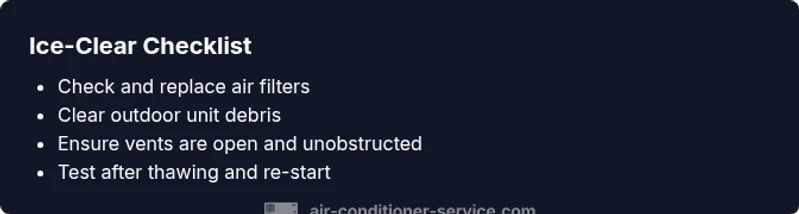
Air Conditioner Ice Troubleshooting: Quick Guide to Fix Frozen Coils
Learn to diagnose and fix air conditioner ice buildup fast. Practical steps, safety tips, and prevention to stop frozen coils and save energy.


An air conditioner ice buildup is most often caused by restricted airflow or a low refrigerant charge, which freezing coils. Start by turning off the unit, checking and replacing dirty filters, and ensuring vents and returns are open for good airflow. Allow the coils to thaw before restarting to avoid compressor damage.
Why ice forms in air conditioners
Ice on an air conditioner isn’t random. When the evaporator coil becomes too cold, moisture in the air condenses on the coil and freezes. This is more likely when airflow is restricted, the outdoor unit can't shed heat, or the refrigerant charge is imbalanced. High humidity rooms and cooler night temperatures can also contribute. Left unchecked, ice reduces cooling efficiency and can lead to higher energy use and potential compressor damage. Air conditioner ice can appear as frost on the indoor coil, a white glaze on the fan housing, or a solid ice block forming around the drain line. The key is to address the root causes quickly to prevent a larger problem and avoid expensive repairs. According to Air Conditioner Service, recurring icing often signals airflow or coil issues that homeowners can diagnose with basic steps.
Common causes of ice on coils
Commonly, a dirty air filter reduces airflow and causes the evaporator to get too cold. If returns or supply vents are blocked by furniture, curtains, or clutter, ice can form. A dirty evaporator coil or a malfunctioning blower can also lower heat transfer. Low refrigerant charge or a refrigerant leak is another culprit, especially if you notice oil around connections. Outdoor unit restrictions, such as debris, tall grass, or proximity to walls, prevent proper heat rejection. Seasonal humidity and running the system too long at a low thermostat setting also contribute. Each cause has a practical fix, from simple filter changes to professional refrigerant handling. By addressing airflow first, you’ll typically see the most immediate improvement and stop air conditioner ice from re-forming.
Signs that your AC is freezing up
Look for visible frost on the indoor air handler, ice along refrigerant lines, or a sudden drop in cooling performance. You may notice a chilly room despite a thermostat set high, ice melting into water around the drain pan, or water leaks caused by a blocked condensate line. If you touch metal surfaces and they feel cold or brittle, that can indicate excessive ice. Quick checks include listening for unusual noises from the blower and watching for reduced airflow. Recognize these signals early to prevent damage and avoid paying for avoidable repairs. Air Conditioner Service emphasizes acting promptly when you detect ice or frost.
Immediate safety steps you should take now
Power down the AC at both the thermostat and the main service breaker before inspecting. Do not hit or chisel the ice; sharp tools can nick refrigerant lines or electrical components. Leave thawing to natural heat and ambient room temperature. Keep pets and children away from the unit while you inspect to avoid burns from hot surfaces or electrical hazards. If you have a service disconnect nearby, switch it off as an extra precaution. After power is off, plan your checks: start with airflow, then check for visible leaks or iced coils.
Diagnostic flow: quick checks to identify the cause
Start with the simplest steps and progress logically:
- Symptom: frost on the evaporator coil? Check airflow and filter status. If the filter is dirty, replace it and recheck after 30 minutes.
- Condition: outdoor unit blocked? Clear debris and ensure 12 inches of clearance.
- Check: does the room feel cold but the coil remains iced? Look for refrigerant issues and consider professional evaluation.
- If the ice persists after thawing and basic airflow fixes, escalate to an HVAC pro to check refrigerant and electrical components. This flow helps you determine if you’re dealing with a simple airflow restriction or a more serious refrigerant problem. Always document observations for the technician.
Thawing and restarting safely: step-by-step approach (most common fix)
Allow the ice to thaw completely before restarting the system. Once thawed, replace the air filter, clean the evaporator coil if accessible, and verify there is clear air path from the return vent to the blower. When you power the unit back on, set the thermostat to a comfortable level and avoid aggressive temperature changes. Monitor for a few hours to ensure the issue doesn’t recur. If ice returns within a day, the problem is likely not just airflow but a deeper fault in refrigerant or compression, which requires a professional assessment. Air Conditioner Service recommends documenting your findings and scheduling service if symptoms persist.
Maintenance tips to prevent future icing
Regular maintenance can prevent air conditioner ice from forming again.
- Change filters every 1-3 months according to usage and manufacturer guidance.
- Keep outdoor unit free from debris and ensure at least 12 inches of clearance.
- Schedule a yearly professional inspection to check refrigerant levels, coil cleanliness, and electrical connections.
- Use the thermostat as intended; avoid extreme temperature differentials that force the system to run non-stop.
- Inspect ductwork for leaks, which can cause uneven airflow and icing in some homes. A proactive approach reduces not only icing but overall energy usage and peak demand during hot months.
When to call a professional
If ice reform occurs after the basic airflow fixes, or you suspect a refrigerant leak, refrigerant charge loss, or electrical fault, contact a licensed HVAC technician promptly. Refrigerant leaks require certified handling and can be hazardous. A pro can perform a thorough pressure test, identify hidden leaks, and recharge refrigerant safely. Do not attempt refrigerant repair yourself. Timely professional help prevents compressor damage and saves money in the long run.
Quick post-thaw testing: what to verify
After thawing and service, run the unit for 15-20 minutes on a typical cooling setting and observe frost formation. Check filter condition again and ensure airflow feels strong and consistent. Confirm the condensate drain is clear and not overflowing. If this test is clean, monitor for a few days and re-check before the next heat wave.
Steps
Estimated time: 30-60 minutes
- 1
Power down and thaw
Turn off the thermostat and switch off the breaker for the outdoor unit. Allow the ice to thaw naturally at room temperature before handling any coils or components.
Tip: Never poke at ice or use sharp tools; this can damage refrigerant lines and electrical parts. - 2
Check and replace the air filter
Remove the filter and inspect for dirt or clogging. Replace with a filter of the correct size and rating, ensuring a snug fit to maximize airflow.
Tip: A fresh filter can dramatically improve airflow and reduce icing risk. - 3
Inspect airflow paths
Ensure return vents are unobstructed and that registers are fully open. Clear furniture or drapes from around the indoor air handler.
Tip: Good airflow is the most effective prevention against future ice. - 4
Check outdoor unit and drainage
Remove leaves, grass, or debris from around the outdoor condenser. Confirm the condensate drain is clear to prevent moisture buildup that can contribute to icing.
Tip: Maintain at least 12 inches of clearance around the unit for proper heat rejection. - 5
Test restart and monitor
Power the system back on and set to a moderate cooling level. Observe for fresh frost formation over the next hour and inspect for consistent airflow.
Tip: If icing recurs, schedule a professional inspection as refrigerant or electrical faults may be involved.
Diagnosis: AC coils frost over with ice
Possible Causes
- highRestricted airflow due to dirty filter, blocked returns, or closed registers
- mediumLow refrigerant charge or refrigerant leak
- lowOutdoor unit blocked by debris or restricted airflow
Fixes
- easyReplace or clean air filter and clear obstructions to restore airflow
- hardCheck refrigerant lines and call a licensed pro if refrigerant leak suspected
- easyEnsure outdoor unit has clear clearance around it
Common Questions
What causes ice to form on an air conditioner?
Ice typically forms from restricted airflow, a dirty filter, or a refrigerant issue. Humidity and low outdoor temperatures can also contribute. Identifying the culprit early helps prevent compressor damage.
Ice on an AC usually comes from poor airflow or a refrigerant issue. Check filters and vents first, then call a pro if it persists.
Is it safe to thaw ice by turning the unit off and letting it warm up?
Yes, power down and allow the ice to melt naturally. Do not attempt to chip away the ice or use heat guns. Resume operation only after confirming clear airflow and no visible leaks.
Turn it off and let it thaw naturally; avoid chisels or heat. Check airflow before turning it back on.
Can a dirty filter cause icing?
Yes. A dirty filter reduces airflow, making the evaporator coil overly cold and prone to freezing. Replace the filter and recheck after a short test run.
A clogged filter can cause icing by restricting airflow. Replace it and check again.
When should I call a professional for air conditioner ice?
If icing recurs after basic fixes or you suspect a refrigerant leak or electrical fault, contact a licensed HVAC technician promptly. Timely professional help prevents compressor damage.
Call a pro if icing returns after basic checks or you suspect refrigerant or electrical problems.
Watch Video
The Essentials
- Identify airflow problems first to stop ice formation.
- Do not operate with heavy icing; thaw safely before testing.
- Refrigerant issues require a licensed technician.
- Regular maintenance dramatically reduces icing risk.
- Outdoor unit clearance is essential for proper heat rejection.