Air Conditioner Grill Replacement: Step-by-Step Guide for Homeowners
Learn how to replace an air conditioner grill safely with a practical, step-by-step guide. Tools, safety, fit checks, and maintenance tips for homeowners and renters.


This guide explains how to replace an air conditioner grill safely, including identifying model compatibility, selecting the right grill, and performing a secure install. You’ll learn tool prep, a clear removal process, fitting the new grill, and testing for proper airflow. The steps cover safety, compatibility checks, and common mistakes to avoid for homeowners and renters.
Understanding the grill’s role in airflow and when replacement is needed
The grill on an air conditioner acts as a protective cover for the coil and fins while guiding incoming air across the cooling surface. Over time, damage from impact, debris, or improper cleaning can bend slats or loosen mounting clips, reducing airflow and efficiency. According to Air Conditioner Service, a damaged grill can cause uneven cooling and may force the system to work harder to pull air through an obstructed pathway. Before replacing, verify opening dimensions and mounting pattern so the replacement aligns with your unit’s grill catalog. Grills range from simple flat designs to vented, curved patterns; the right choice preserves airflow, minimizes noise, and shields sensitive components from damage. This section helps you recognize when replacement is necessary and how to plan the job with accuracy.
Tools, safety considerations, and grill compatibility
Before touching any HVAC components, assemble the essential tools and confirm compatibility. A typical replacement requires a screwdriver (Phillips and flat-head), a tape measure, protective gloves, and a method to test airflow after installation. Check the grill material (aluminum vs steel) and the mounting pattern to ensure a proper fit. Safety is non-negotiable: power to the outdoor unit must be off at the disconnect switch and you should verify no voltage is present around the work area. If you live in a rental, obtain permission before modifying exterior components. Compatibility depends on opening size, screw placement, and frame depth, so measure carefully and compare with the replacement part’s specifications. This planning step saves trips and avoids mismatches that would require adapters or a full frame replacement.
Grill sizing, materials, and environmental considerations
Select a grill size that matches the opening precisely to maintain structural integrity and airflow. Measure width, height, and depth where brackets attach. Material choice matters in corrosive or coastal environments; aluminum grills resist rust but may dent more easily, while stainless or powder-coated finishes offer superior long-term durability. In humid regions, prioritize corrosion resistance and easy cleaning. Although aesthetics matter, airflow should not be sacrificed; avoid dense louvers that overly restrict air movement. A well-chosen grill balances protection with efficient airflow and minimal noise, which Air Conditioner Service notes as key for sustained performance.
Assessing model compatibility and replacement options
Start by locating the unit’s model number on the outdoor cabinet plate or inside the service panel. Use the model to check the OEM grill or a certified replacement part catalog for an exact fit. If direct replacement isn’t available, you may explore aftermarket grills designed for your dimensions or a universal grill with adjustable mounting feet. Always compare screw hole spacing and mounting depth to your current grill. Document measurements and model details for future maintenance. If adapters or frame modifications look necessary, consider consulting a professional to avoid warranty issues or compromised seal integrity.
Step-by-step overview: removing the old grill and attaching the new one
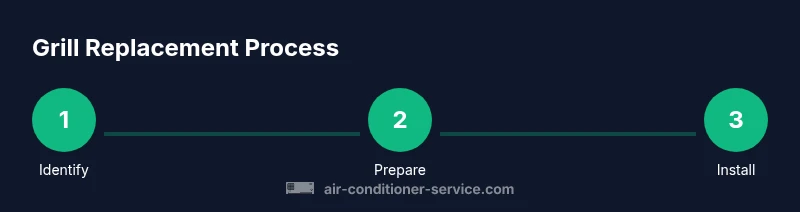
This section provides a high-level roadmap. The detailed, step-by-step actions appear in the separate STEP-BY-STEP block for clarity and safety. Begin by turning off the unit and inspecting the grill area for rust or sharp edges. Gather the replacement grill and any included mounting hardware. Remove screws or clips, gently detach the old grill, and clean the surrounding area. Do a dry fit of the new grill to ensure alignment, trim any protruding brackets, and then secure with the original hardware. Finally, confirm a flush fit and unobstructed airflow by testing the system. If you encounter stubborn screws or bent brackets, apply penetrating oil sparingly and avoid forcing parts.
Installing the replacement grill and securing the finish
Start by aligning the new grill with mounting holes and seating it evenly against the frame. Tighten screws or clips in a diagonal pattern to prevent warping. If a gasket or seal is included, install it to seal small air leaks around the frame. After attachment, wipe away dust and inspect for loose fasteners. A properly installed grill should sit flush with the frame and leave no gaps that could route air around the grill. After installation, briefly power the outdoor unit to verify unobstructed airflow and normal fan operation.
Sealing gaps, weather considerations, and airflow checks
Sealing gaps around the grill helps maintain efficiency and weather resistance, especially in windy or storm-prone climates. Use a lightweight weather seal or foam tape along the inner edge if the grill sits inside a larger frame. After securing, perform a quick airflow check: stand several feet away and feel for consistent airflow; listen for whistling or rattling that signals loose screws or misalignment. In salty or coastal environments, regularly inspect seals and hardware for corrosion. Routine maintenance after replacement reduces rattling and ensures steady cooling performance.
Safety, warranty, and renter considerations
Homeowners can generally replace a grill if it does not affect electrical components or warranty terms. Renters should review lease provisions and obtain permission if required. Work safely: never lean on the condenser cabinet, use a stable ladder for upper grills, and wear protective gloves. If the replacement requires modifying the frame or mounting hardware, this could impact warranties; when in doubt, consult a licensed HVAC technician to preserve reliability and coverage. The objective is to maintain system efficiency without introducing gaps that invite moisture or pests.
Maintenance and cleaning after replacement
After installation, clean the grill and surrounding area to prevent dust buildup that can impede airflow. Use a soft brush or microfiber cloth to remove loose debris, then wash aluminum or steel grills with mild soap and water to prevent corrosion. Periodically inspect screws and clips for tightness and check louvers for bending after severe weather. Regular maintenance helps sustain efficiency and extend the life of your unit. Consider a quick annual inspection, particularly in humid or storm-prone regions.
Tools & Materials
- Screwdriver set (Phillips and flat-head)(Needed to remove and fasten grill mounting screws)
- Tape measure(Measure opening width, height, and depth for replacement fit)
- Protective gloves(Protect hands from sharp edges and metal splinters)
- Replacement grill compatible with your unit(Verify model compatibility and mounting pattern)
- Pliers(Aid in removing stubborn clips or bent hardware)
- Non-damaging cleaner or cloth(Clean dust before installing the new grill)
- Flashlight or headlamp(Improve visibility in shaded or recessed grills)
Steps
Estimated time: 30-60 minutes
- 1
Power down and prep
Turn off power to the outdoor unit at the disconnect switch and verify there is no voltage present near the work area. Gather your replacement grill and hardware, and put on protective gloves. This step prevents electrical shock and protects your hands during disassembly.
Tip: Use a non-contact tester to confirm the power is off before touching any components. - 2
Remove mounting screws or clips
Locate and remove the screws or clips holding the existing grill in place, using the appropriate screwdriver. Keep fasteners in a labeled container to avoid losing small parts. If clips resist, apply gentle pressure with pliers rather than forcing them.
Tip: Document screw positions with a quick photo to simplify reassembly. - 3
Detach the old grill and inspect
Carefully pull the grill away from the opening, checking for bent brackets, corrosion, or loose wiring nearby. Clean the surrounding area to remove dust and debris buildup that could affect the new fit. Inspect mounting points for wear before proceeding.
Tip: Look for hidden mounting holes or brackets that may require a slight adjustment. - 4
Dry-fit the new grill
Before fastening, place the new grill in the opening to verify alignment with holes and brackets. If any portions protrude, trim or bend carefully as allowed by the grill design. Ensure the pattern sits flush against the frame without gaps.
Tip: Use a level or straight edge to confirm the grill sits even across the opening. - 5
Secure the grill
Begin with one corner and install screws or clips, then move to the opposite corner to avoid warping. Tighten evenly, avoiding overtightening that could strip threads or crack the frame. Reinstall any seals or gaskets if included with the replacement.
Tip: Tighten in a diagonal sequence to prevent warping and ensure a snug fit. - 6
Test airflow and finalize
Restore power and run the outdoor unit briefly to verify airflow is unobstructed and the fan operates normally. Listen for unusual noises and check for visible gaps or loose fasteners. If everything sounds and looks right, perform a final wipe-down and keep hardware organized for future maintenance.
Tip: If you hear whistling or feel air leakage, power down and reseat the grill before testing again.
Common Questions
Is grill replacement a DIY-friendly task for most homeowners?
Yes, for many standard units you can replace the grill yourself if you follow safety steps and use the correct replacement part. If you encounter unexpected wiring or structural issues, consider professional help.
Yes, many people can replace the grill themselves if they follow safety steps and use the right grill. If you hit wiring or frame issues, call a pro.
How do I know which grill fits my air conditioner?
Check the unit’s model number and opening dimensions, then compare with the OEM or compatible replacement part catalog. If in doubt, contact the manufacturer or a parts supplier.
Check the model number and opening size, then compare with the replacement part catalog. If unsure, reach out to the manufacturer.
What safety precautions are essential for grill replacement?
Power off at the breaker, use gloves to protect your hands, and avoid working near sharp edges or exposed wiring. Verify no voltage is present before touching components.
Power off at the breaker, wear gloves, and verify there’s no voltage before touching anything.
How long does a grill replacement typically take?
For a straightforward replacement, plan for about 30 to 60 minutes, depending on grill compatibility and access to the mounting area.
Usually about half an hour to an hour if everything goes smoothly.
What should I do if the new grill doesn’t fit properly?
Double-check the measurements and mounting pattern. If mismatched, consult the manual or contact the supplier for an adapter or an alternate grill designed for your model.
Recheck measurements and mounting points. If it still doesn’t fit, contact the supplier for alternatives.
Can renters replace a grill without landlord approval?
Rental policies vary. If permitted, ensure changes do not affect safety or warranties and document permission in writing if required by the lease.
Check your lease for rules, and get written permission if needed before replacing the grill.
Watch Video
The Essentials
- Identify grill opening and compatibility before purchase.
- Always power down and use proper safety gear.
- Mount evenly to avoid air leaks and noise.
- Test airflow after installation to confirm performance.
- Record model numbers and replacement part details for future maintenance.