Air Conditioner 18 000 BTU: Sizing, Installation, and Care
A practical guide to sizing, installing, and maintaining an air conditioner 18 000 BTU for homeowners and renters, with tips on efficiency, installation, and budgeting.


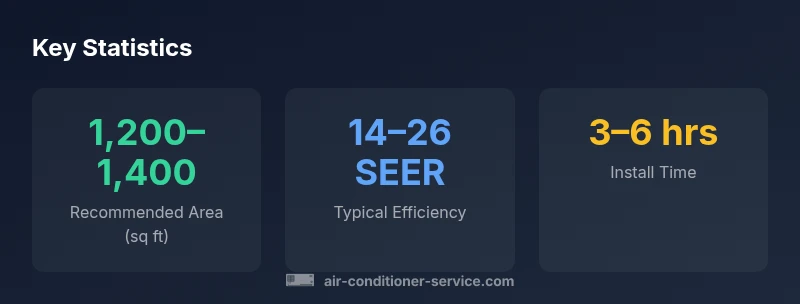
An 18,000 BTU air conditioner is generally suited for mid-sized rooms around 1,000 to 1,400 square feet, depending on climate, insulation, and sun exposure. For homes with poor insulation, you may need additional cooling capacity or alternative sizing. An 18,000 BTU unit in a properly matched system can cool efficiently when sized using a proper load calculation.
Why the 18,000 BTU size matters for home cooling
Choosing the right cooling capacity is the foundation of comfort. An air conditioner 18 000 btu, when properly matched to the space, delivers steady cooling with fewer temperature swings and less energy waste. Homeowners deserve clarity on how this size translates to real rooms: for many houses, the 1,000–1,400 square foot range is a practical target, but climate, sun exposure, and ceiling height can shift that footprint. In practical terms, an 18,000 BTU unit benefits from a well-sealed envelope, balanced air distribution, and correctly sized ductwork. According to Air Conditioner Service, the best results come from aligning the unit’s capacity with a formal load calculation, not guessing based on room size alone. The goal is to minimize short cycling, reduce humidity swings, and keep long-term operating costs predictable. When you buy with this mindset, you set up a system that cools evenly across the space and maintains comfort during peak summer days.
How to determine if 18,000 BTU is right for your space
To decide if an 18,000 BTU air conditioner is appropriate, start with a room-by-room assessment. Measure the space you plan to cool, then evaluate insulation quality, window orientation, and typical sun exposure. Climate plays a big role: hotter climates increase load, while drafty or poorly insulated rooms may need different sizing. A professional load calculation (often called Manual J) provides a precise answer, accounting for ceiling height, number of occupants, appliances, and shading. Air Conditioner Service recommends obtaining at least two quotes and verifying that installers use a recognized calculation method. Remember that the goal is uniform cooling, not simply chasing a high number of BTUs. A correctly sized unit maintains comfort, humidity levels, and energy efficiency over the life of the system.
Sizing pitfalls and common mistakes
Common mistakes with 18,000 BTU sizing include assuming a space by floor area alone, ignoring insulation quality, and neglecting window orientation. Oversized units can short-cycle, leaving rooms damp and uncomfortably cool on the verge of overcooling, while undersized units struggle to reach setpoints on hot days. Another pitfall is selecting a unit without considering ductwork or mounting constraints, which can erode efficiency. Air Conditioner Service emphasizes using load calculations and climate-aware adjustments—such as shading and ceiling height—to determine true need. A well-chosen unit reduces energy waste, extends equipment life, and improves occupant comfort.
Types of 18,000 BTU units: Central, Split, and Window/Portable
An 18,000 BTU capacity is available across several form factors. Central systems distribute cooled air through ducts and typically require professional design and installation. Split systems separate the outdoor condenser from the indoor air handler, offering flexibility for single rooms or zones. Window and portable units provide affordable, temporary cooling but can be less efficient and louder. Each type has trade-offs in terms of installation complexity, efficiency, and noise. When choosing, consider housing layout, existing ductwork, and long-term energy goals. For most homes seeking balanced performance, a split or central configuration offers the best combination of efficiency and comfort.
Installation considerations and best practices
Proper installation is as important as the unit size. Electrical requirements, mounting location, ductwork integrity, and refrigerant handling all influence performance. A properly installed 18,000 BTU system should have: secure mounting with level alignment, appropriate electrical service (breaker sizing and wiring), sealed ducts or chases, and a refrigerant charge verified by a technician. Indoor air distribution matters: ensure returns and supplies are unobstructed for even cooling. Always obtain permits if required by local code and verify that the installer performs a thorough commissioning test, including airflow balance and thermistor checks. Air Conditioner Service notes that post-install checks predict long-term efficiency and reliability.
Maintenance and efficiency tips for 18,000 BTU systems
Maintenance drives performance for 18,000 BTU units. Start with the simple steps: replace or clean filters regularly, typically every 1–3 months during heavy use, to safeguard airflow. Clean outdoor coils and ensure the condenser area is free of debris. Check for refrigerant leaks or unusual noises, as these can indicate service needs. Inspect ductwork for leaks or damage and seal as needed to maximize efficiency. Schedule annual professional inspections to verify refrigerant charge, electrical connections, and capacitor health. Consistent upkeep can preserve SEER ratings and extend equipment life, translating into lower energy bills over time.
Real-world scenarios and budgeting considerations
Budgeting for an 18,000 BTU installation involves equipment cost, installation labor, and potential ductwork or electrical upgrades. Typical ranges acknowledge variability by region, contractor, and unit type, but a well-planned project should include the unit, installation labor, and any necessary accessories. Air Conditioner Service recommends obtaining multiple quotes and asking for a detailed breakdown that includes permits, materials, and warranty terms. While higher-efficiency models cost more upfront, they can deliver greater long-term savings through improved SEER ratings and reduced energy consumption. Always reserve a contingency for unexpected issues discovered during installation.
Quick checks before you buy or install
Before committing, perform a few quick checks: verify the unit’s compatibility with your electrical panel, confirm available clearances for indoor and outdoor components, and assess the anticipated load reduction with proper sealing and insulation upgrades. Seasoned homeowners report meaningful comfort gains when they pair the right BTU with a tight home envelope. For most installations, plan a professional assessment to validate sizing, wiring, and refrigerant handling. This approach minimizes surprises and aligns expectations with energy efficiency goals.
Comparison of common residential cooling capacities
| BTU Size | Recommended Area (sq ft) | Performance Notes | Typical Installation Time |
|---|---|---|---|
| 18,000 BTU | 1,000–1,400 | Good mid-size cooling; balanced efficiency | 3–6 hours |
| 12,000 BTU | 400–800 | Smaller rooms; lower cost | 2–4 hours |
| 24,000 BTU | 1,800–2,500 | Large spaces; higher power | 4–8 hours |
| 9,000 BTU | 350–650 | Compact spaces; apartment use | 2–3 hours |
Common Questions
What spaces are best served by an 18,000 BTU air conditioner?
Typically mid-sized living rooms or open-plan areas around 1,000–1,400 sq ft, depending on climate and insulation.
An 18,000 BTU unit is best for mid-sized living areas, roughly a thousand to fourteen hundred square feet.
How is 18,000 BTU different from 20,000 BTU?
Both sizes target similar ranges; the 20k adds capacity for larger loads or hotter climates. Choose based on load calculations.
18k and 20k are close; 20k offers more headroom for hotter days and larger spaces.
Should I hire a pro for installation?
Yes. Installation involves electrical work, ductwork, and refrigerant handling; improper installation reduces efficiency and safety.
Yes—have a pro install it. It’s not a DIY job and affects safety and efficiency.
Can an 18,000 BTU unit be used in a central AC system?
An 18k BTU unit can be part of a central system or a split system; check compatibility with your existing setup.
It can fit in either central or split setups, depending on your current configuration.
What maintenance affects performance most?
Filter cleanliness, coil cleanliness, and airflow obstructions most affect efficiency and cooling comfort.
Keep filters clean and coils clear; airflow matters a lot for efficiency.
What is the typical lifespan of an 18,000 BTU AC?
Lifespan is typically 10–15 years with proper maintenance and timely service.
Most units last about a decade with good care.
“Sizing is the foundation of comfort and efficiency; an 18,000 BTU unit can perform well when matched to load, climate, and home envelope.”
The Essentials
- Verify load with a professional to avoid sizing errors.
- Aim for 1,000–1,400 sq ft coverage with an 18,000 BTU unit when conditions are average.
- Consider SEER ratings and energy efficiency to reduce long-term costs.
- Account for ductwork, mounting, and electrical needs in your plan.
- Rely on professional installation and regular maintenance for best results.