12000 btu air conditioner: sizing, installation, and maintenance
Comprehensive guide to sizing, installing, and maintaining a 12000 btu air conditioner. practical tips for homeowners on room fit, energy efficiency, and professional installation.


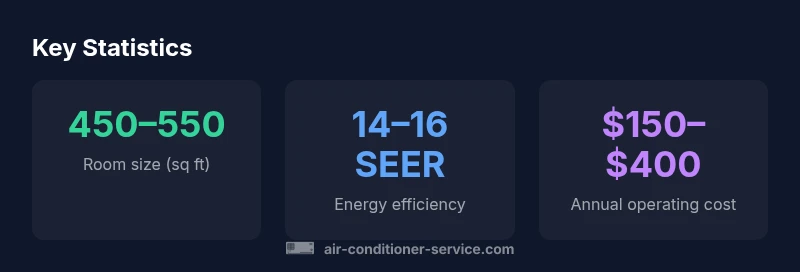
12000 btu air conditioner is generally suitable for cooling about 450–550 square feet in a standard home, assuming average insulation and climate. For accurate sizing, consider ceiling height, sun exposure, and window orientation. The Air Conditioner Service team recommends consulting a load calculation calculator to confirm before purchase.
Understanding 12000 btu air conditioner sizing
A 12000 btu air conditioner is a common cooling capacity for medium-sized living spaces. The term BTU (British Thermal Unit) expresses the amount of heat the unit can remove per hour. In practice, a 12000 btu unit is typically suitable for spaces that are well insulated and have standard ceiling heights, with careful consideration of climate and sun load. When sizing, homeowners should avoid under- or over-sizing, which can lead to inefficiency, humidity problems, and comfort gaps. Factors such as wall and window placement, occupancy, and appliance heat load influence the final choice. It's also important to distinguish between the nominal capacity and real-world performance, which can vary with ductwork, duct leakage, and ventilation. For exact needs, run a load calculation and compare options from different manufacturers. The goal is to match the cooling load to the unit’s capacity while leaving some headroom for peak conditions, so the space remains comfortable without overworking the compressor.
Ideal room sizes for 12k BTU units
In general terms, a 12000 btu air conditioner can efficiently cool rooms in the range of roughly 450–550 square feet, provided the space has moderate sun exposure and typical ceiling heights (8 feet). In hotter climates or sun-drenched rooms, you might lean toward the higher end of the range or consider a higher-efficiency model. Conversely, in well-insulated, shaded spaces, you may be comfortable with a smaller target area. It’s essential to account for ceiling height, as taller rooms increase the air volume that needs cooling. For window or wall-mounted units, check that the installation location has a clear air path and is not obstructed by heavy drapes or furniture. A precise calculation helps prevent short cycling and poor humidity control, which are common complaints with incorrect sizing.
Energy efficiency considerations for 12k BTU units
Energy efficiency is a key factor in the long-term cost of operating a 12,000 BTU system. Look for models with a high SEER (Seasonal Energy Efficiency Ratio) rating, typically in the 14–16 range for this capacity. Inverter-driven inverters tend to provide smoother cooling and better efficiency at part-load conditions, while traditional fixed-speed units may be less efficient at partial loads but cheaper upfront. When evaluating, consider both the upfront cost and the long-term energy savings. In addition, ensure proper installation to maximize efficiency: sealed duct paths, a correctly sized electrical circuit, and adequate clearance around the outdoor condenser. Small improvements like programmable thermostats and smart controls can further reduce energy use while maintaining comfort. The goal is to balance performance with operating costs over the unit’s lifetime.
Installation considerations for 12000 btu air conditioners
Choosing a 12k unit is only part of the equation; installation matters just as much. Window-mounted setups are common for this capacity and typically require a secure sill and proper draining. Split-system approaches (ductless) offer flexibility but require professional refrigerant handling and electrical work. Ensure the electrical circuit can handle the unit’s amperage, with dedicated power if required by local code. For window units, verify structural support and weatherproofing to minimize air leakage. If you’re installing a wall-mounted or ceiling cassette type, plan for appropriate mounting brackets, refrigerant line routing, and condensation drainage. Always follow local codes and permit requirements, and consider getting a professional to perform a load calculation, installation, and initial commissioning for optimal performance.
Maintenance tips to maximize lifespan
Maintenance is critical to keep a 12k system performing reliably. Regularly clean or replace air filters (monthly during peak season), inspect outdoor coils for debris, and ensure adequate airflow around the unit—at least 12 inches of clearance. Check the condensate drain for clogs to prevent mold growth. Schedule professional inspections at least once a year to verify refrigerant pressure, electrical connections, and thermostat calibration. A well-maintained unit operates more efficiently, reduces wear on the compressor, and prolongs the appliance’s life. Store removable components properly during off-seasons and cover the outdoor unit when not in use, but avoid fully sealing it as some airflow is still needed.
Troubleshooting common issues for 12k btu units
Common problems include short cycling, poor cooling, and unusual noises. Short cycling can result from incorrect sizing or a dirty filter; address by cleaning or replacing the filter and verifying that the thermostat is correctly set. If cooling is poor, check for blocked vents, outside debris, or insufficient insulation. For strange noises, inspect the fan motor and compressor area for loose components or debris. If you are unsure or the issue persists, consult a licensed HVAC technician, as refrigerant handling and electrical work require specialized training and may be regulated by local codes.
Real-world case studies and purchasing tips
In practice, many homeowners find that a properly sized 12k BTU unit provides comfortable cooling with reasonable energy use. When shopping, compare SEER ratings, noise levels, and warranty coverage. Look for models with efficient compressors, solid build quality, and quiet operation—critical in living rooms or bedrooms. Consider installation type (window vs. split) and the associated cost. Real-world tests show that even within the same capacity, performance can vary due to installation quality, duct leakage, and airflow design. Before purchasing, collect a few quotes, check for energy rebates or incentives in your area, and read reviews about reliability and service support. A thoughtful approach helps ensure you get the best balance of performance, efficiency, and price.
Sizing options for 12,000 BTU air conditioners by unit type
| Unit Type | Room Size Range (sq ft) | Typical SEER |
|---|---|---|
| Window unit (12,000 BTU) | 450–550 | 10–12 |
| Portable unit (12,000 BTU) | 350–450 | 10–12 |
| Split-system (12,000 BTU) | 450–550 | 14–16 |
Common Questions
What is the typical lifespan of a 12000 BTU air conditioner?
Most 12,000 BTU units last around 10–15 years with regular maintenance and proper installation. Longevity depends on usage, climate, and upkeep.
Most 12,000 BTU units last about a decade or more with good maintenance and proper installation.
How do I determine the right BTU for a room?
Start with a room’s square footage, then adjust for ceiling height, sun exposure, insulation, and the number of occupants and appliances. Use a manual load calculation or an online calculator for accuracy.
First measure the room, then adjust for heat load factors like sun exposure and insulation using a load calculator.
Can I install a 12,000 BTU unit myself?
Installation can involve electrical work, refrigerant handling, and building codes. Many markets require a licensed technician for safety and warranty reasons.
Installation often requires a licensed technician to meet safety and warranty rules.
What maintenance improves efficiency?
Regularly clean or replace filters, clear debris from outdoor coils, check seals around the unit, and schedule annual professional service for refrigerant and electrical checks.
Keep filters clean and coils clear; have yearly professional service to maintain efficiency.
What installation codes should I know?
Local codes may require permits, dedicated circuits, and proper drainage. Always verify with your local authority and a licensed installer.
Check local codes and permits; a licensed installer can ensure compliance.
“Proper sizing and professional installation are the foundation of effective cooling and long-term reliability.”
The Essentials
- Perform a formal load calculation before buying.
- Match room size to 12,000 BTU capacity for efficiency.
- Consider insulation and sun exposure in sizing.
- Choose a high-SEER model for long-term savings.
- Hire a licensed professional for installation.