What to Clean Air Conditioner With: Practical Maintenance Guide
Learn safe, effective cleaners and step-by-step methods to clean your air conditioner with confidence. This guide covers tools, techniques, and safety for homeowners and renters.


Today you will learn how to clean your air conditioner safely using common household cleaners, what to clean air conditioner with, and how to protect electrical components. You’ll cover when to wash or replace filters, how to approach outdoor coils, and which products to avoid. By following these steps, you’ll improve efficiency and comfort while safeguarding your unit.
What to Use When Cleaning: Safe Cleaners, What to Avoid
When asked what to clean air conditioner with, most homeowners reach for familiar household products. The right choice is simple: mild soap or detergent mixed with warm water for basic surfaces, plus a soft cloth or sponge. For coils or electronics, avoid harsh solvents and high-alkaline cleaners that can corrode metal or damage wiring. Always read the unit’s manual before applying any cleaner and never spray directly on electrical components. According to Air Conditioner Service, sticking to mild cleaners reduces the risk of corrosion and prolongs life. In practical terms, you can start with a spray bottle of warm water and a drop of dish soap, then wipe with a microfiber cloth. If you must use a stronger cleaner, choose a product labeled for HVAC use, and test on a small area first. This approach aligns with common-sense maintenance and helps you maintain clean, efficient airflow throughout the season.
Cleaning Components You’ll Be Working On
Your cleaning plan should target the parts most exposed to dirt: filters, evaporator coils, condensate pan, and the outdoor condenser unit. For the indoor evaporator, it’s essential to remove dust from the filters first, as clean filters directly improve airflow and efficiency. The outdoor coil collects dirt and pollen, so a gentle rinse with a low-pressure spray can remove grime without bending fins. When you ask yourself what to clean air conditioner with for each component, remember: use soap-and-water on accessible surfaces, avoid pressure washers on fins, and never expose electrical connections to water. Air Conditioner Service emphasizes avoiding bleach on delicate parts and using no-rinse cleaners only if recommended by your model’s manual. Keep a soft brush handy for stubborn debris and a damp microfiber cloth for delicate finishes to prevent scratches.
Safety and Preparation: Get Ready Before You Start
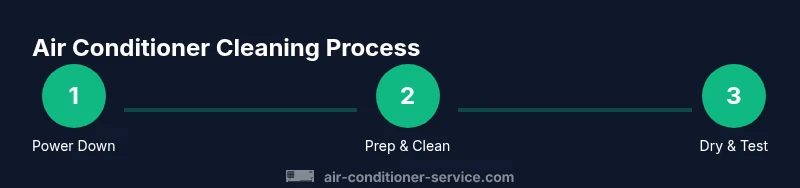
Before touching any HVAC components, power down the system completely. Turn off the thermostat and unplug the outdoor unit if accessible. Wear gloves and eye protection to guard against splashes and sharp fins. Have a bucket of warm, sudsy water and a clean, lint-free cloth ready. Ensure pets and children stay away while you work. If you’re uncertain about the electrical panel or wiring, stop and call a professional. Remember, safety is the top priority whenever you clean an air conditioner, and proper preparation can prevent shorts or shocks later on.
Common Mistakes and How to Avoid Them
A frequent error is using harsh solvents or applying cleaners directly to electrical components. Always dilute cleaners and avoid spraying into vents. Another misstep is neglecting the air filters, which choke airflow and reduce cooling efficiency. Don’t skip air filter checks even in seasons with lighter use. Finally, never ignore the manufacturer’s guidelines for your specific model; some units require professional coil cleaning or refrigerant checks. By steering clear of these mistakes, you’ll maintain better performance and reduce the chance of costly repairs.
Frequency, Schedule, and Long-Term Care
Establish a seasonal cleaning cadence that fits your climate and usage. For households with pets or high dust, plan a light wipe-down every 4–6 weeks and a deeper cleaning every 3–6 months. In milder environments, you can extend those intervals by a month or two but still inspect filters monthly. Keeping a small cleaning log helps you track what you used, when you did it, and any issues you noticed—like unusual noises or reduced airflow. Regular maintenance, including cleaning the outdoor unit’s fins and checking for obstructed airflow, preserves efficiency and comfort over time. The keyword what to clean air conditioner with becomes a practical framework you can apply year after year.
When to Call a Professional
If you encounter refrigerant smells, unusual noises, or water leaks behind the unit, it’s time to involve a pro. Complex coil cleaning, electrical issues, or suspected refrigerant problems require certified technicians. For most routine cleaning, homeowners can handle the task using the guidance in this guide, but don’t hesitate to seek help if you’re unsure about any step. Regular professional checkups in addition to DIY cleaning can extend the life of your system and prevent downtime during peak seasons.
Tools & Materials
- Power outlet or disconnect switch(Ensure the unit is completely powered down before cleaning.)
- Mild dish soap(For general cleaning on surfaces and filters.)
- Warm water(Use with soap for cleaning solutions.)
- Spray bottle(Dilute cleaner in the bottle for easy application.)
- Soft cloths or microfiber cloths(Non-abrasive for safe cleaning of fins and panels.)
- Non-abrasive sponge or brush(For gentle scrubbing of filters and accessible surfaces.)
- Bucket(To hold soapy water for rinsing cloths.)
- Gloves and safety glasses(Personal protective equipment for splash protection.)
- Vacuum with soft brush attachment(Optional for pre-cleaning dust from coils.)
- HVAC-safe coil cleaner (no-rinse if recommended)(Only use if specified by your model’s manual.)
- Old towels or absorbent rags(Protect surfaces and catch drips.)
Steps
Estimated time: 60-90 minutes
- 1
Power down and unplug
Turn off the thermostat and unplug the outdoor unit if accessible. This prevents electric shocks and ensures your safety while cleaning. Double-check that the air handler is not running to avoid moving parts while you work.
Tip: Always start with safety; a quick check saves you from risky shocks. - 2
Prepare your cleaning area
Lay towels under the work area, remove any nearby debris, and have your cleaning supplies within reach. Having everything ready reduces the chance of spills and ensures you can work steadily without rushing.
Tip: Clear a small workspace around the unit to avoid distractions. - 3
Clean or replace indoor filters
Remove the filters and inspect their condition. If reusable, wash with warm, soapy water, rinse thoroughly, and let dry completely before reinstalling. If severely dirty or damaged, replace with new filters.
Tip: Dry filters fully to prevent mold growth once reinstalled. - 4
Clean the indoor evaporator surfaces
Wipe accessible plastic casings and the blower housing with a damp microfiber cloth. If you see dust on coils from the interior, gently vacuum with a brush attachment to minimize disturbance to the fins.
Tip: Be careful not to bend or damage the delicate fins. - 5
Care for outdoor coils
Gently remove loose debris by hand, then rinse with a light spray from a low-pressure nozzle. Avoid high-pressure water directly on fins, which can bend them and reduce efficiency.
Tip: Keep a safe distance and use a wide spray pattern. - 6
Treat drains and condensate areas
Inspect the condensate pan and drain line for blockages. Use a damp cloth to wipe the pan and flush any minor clogs with a gentle stream of water from the spray bottle.
Tip: Blockages can cause water damage or mold growth. - 7
Rinse and dry
Wipe all cleaned surfaces with a dry cloth to remove residual moisture. Allow components to air-dry for at least 30 minutes before powering the unit back on.
Tip: Moisture on electrical parts can cause short circuits. - 8
Test the system
Restore power, set the thermostat, and run a short cycle to listen for unusual noises or vibrations. If everything runs smoothly and airflow is strong, you’ve completed a safe cleaning.
Tip: If you notice poor airflow after cleaning, re-check the filters and clear any obstructions.
Common Questions
What should I use to clean an air conditioner?
Use mild soap and warm water on accessible surfaces, a microfiber cloth for wiping, and a soft brush for dust. For coils or electronics, stick to cleaners approved in your manual and avoid direct spraying on electrical parts.
Use mild soap and water on surfaces, and avoid spraying electrical parts directly. Check your manual for approved cleaners.
Can I use vinegar or bleach on my AC?
Vinegar is generally safe in small amounts for exterior cleaning, but avoid bleach on sensitive components and never mix cleaners. Always consult the manufacturer’s guidelines before using strong chemicals.
Bleach and strong chemicals should be avoided on sensitive parts; check your manual for approved cleaners.
Is it safe to clean the outdoor unit myself?
Cleaning the outdoor condenser with a gentle rinse and removing debris is usually safe. Do not use high-pressure washers on fins, and avoid bending them. If you’re unsure, call a professional.
Yes, you can clean the outdoor unit gently, but don’t use strong forced water or bend the fins.
How often should I clean my AC?
A light wipe-down and filter check monthly during heavy use; a deeper cleaning every 3–6 months depending on environment and usage. Regular checks keep efficiency high.
Most homes benefit from a regular monthly filter check and seasonal deep clean.
What about maintenance beyond cleaning?
Besides cleaning, replace dirty filters, inspect ductwork if accessible, and schedule professional tune-ups annually. Proper maintenance reduces energy usage and extends system life.
Keep up with filter changes and annual professional tune-ups for best performance.
Watch Video
The Essentials
- Protect safety first: unplug power and wear PPE.
- Use mild cleaners and avoid harsh solvents near electrical parts.
- Keep outdoor fins undamaged by using low-pressure rinses.
- Follow manufacturer guidance and call a pro for complex coil work.