RV Air Conditioner Maintenance: A Practical How-To Guide
Keep your RV air conditioner performing at its best with practical maintenance steps, seasonal care, and troubleshooting tips from Air Conditioner Service.


This guide shows you how to perform routine RV air conditioner maintenance to prevent breakdowns and improve cooling efficiency. You'll learn essential checks, safe cleaning, filter care, drain line maintenance, and when to call a pro. Basic tools and a simple, seasonal schedule help you keep your RV comfortable on the road.
Why RV A/C Maintenance Matters
RV travel places unique stress on cooling systems. The roof-mounted unit, long days in the sun, variable power sources, and dusty campground conditions all demand regular attention. Performing rv air conditioner maintenance helps prevent compressor strain, keeps airflow steady, and reduces the risk of leaks or frozen coils. According to Air Conditioner Service, regular checks and timely part replacements can extend life, improve efficiency, and cut on-site repair headaches. In practice, a simple monthly routine coupled with a biannual inspection can save you time and money on the road, where service options may be limited. Build a practical maintenance habit that fits your travel schedule and you’ll enjoy cooler comfort on every trip.
A well-kept RV AC system also preserves energy efficiency, which matters when you’re camping off-grid or relying on generators. Small losses in airflow or refrigerant balance force the unit to work harder, drawing more amps and reducing battery life. The goal of rv air conditioner maintenance is to maintain proper airflow, clean critical components, and catch wear before it becomes expensive. Air Conditioner Service’s guidance emphasizes no-nonsense checks that work for most RV setups.
In short, routine maintenance reduces the odds of sudden failures, keeps your camper cooler, and saves money over time. The habit pays off whether you’re on a short weekend trip or a cross-country adventure.
Key Components of an RV A/C System
An RV air conditioning system shares fundamentals with home units but adds a travel-friendly setup and roof integration. The outdoor condenser (roof unit) houses the fan and coils; the indoor air handler pushes conditioned air through the RV’s ductwork or vents. A clean, accessible air filter helps maintain airflow and prevents dust from reaching the evaporator. The condensate drain line removes moisture; a clogged drain can flood or damage components if not addressed. A thermostat or control panel governs temperature and fan speed, while electrical connections and fuses ensure safe operation. Finally, the roof curb and seals keep water out while bearing the vibrations of travel. Understanding these parts helps you target the right maintenance tasks and avoid unnecessary disassembly. When you see a decline in cooling efficiency, that’s often a sign to inspect these components first.
If you’re new to rv air conditioner maintenance, start with a simple visual check: inspect seals around the roof unit, listen for unusual noises, and verify that airflow is consistent from all vents. Regular inspections give you a clear picture of system health and help you plan more thorough servicing when you have time.
Seasonal Maintenance Checklist for RV A/C
Develop a simple, repeatable schedule that matches your travel season. Spring is ideal for a full check before the season begins, while mid-season checks help you catch wear as it develops. Fall maintenance can prepare the unit for storage or reduced use. A practical checklist includes:
- Inspect the exterior condenser fins for dirt and debris, and clean gently with a brush and spray bottle.
- Check roof seals around the curb, screws, and gasket for signs of cracks or leaks.
- Remove and inspect the air filter; replace if dirty or reached designated service interval.
- Test thermostat accuracy and fan speeds; verify voltage and electrical connections.
- Clear the condensate drain line and ensure it flows freely; confirm there’s no odor or standing water.
- Inspect ductwork and interior vents for blockages or leaks.
Keeping a simple maintenance log helps you track when you did each task and how often. Air Conditioner Service recommends scheduling two major checks per year (spring and fall) and small monthly cleanups during heavy-use months. A dependable cadence minimizes surprises on the road and protects your investment in the RV.
If you rely on off-grid power, consider a lightweight, portable air compressor or a quick-clean method that does not require heavy electrical use. Planning around your travel schedule makes rv air conditioner maintenance feel manageable rather than a chore.
How to Clean and Inspect the Drain Line and Filter
Cleaning the drain line and filter is a cornerstone of rv air conditioner maintenance. Start by powering down the unit and disconnecting power at the shore power inlet or battery if appropriate. Locate the drain line and inspect for blockages, mold, or mineral buildup. Use a flexible brush or pipe cleaner to clear the line, then flush with warm water to ensure free flow. Once clear, inspect the condensate pan for standing water or corrosion. For the air filter, remove it from the housing, check for dirt caked on the pleats, and replace if necessary. If you can clean it (depending on the filter type), rinse with cool water and let it dry completely before reinstalling. Regular cleaning of these two components keeps the system from overworking and helps maintain air quality in the RV.
Avoid sharp objects or metal tools that could puncture fins on the condenser. Use gentle brushes and avoid high-pressure water directly on electrical components. If you’re unsure about the filter size, keep the old one as a reference when purchasing replacements. A well-maintained drain and clean filter improve efficiency and prevent water damage inside the RV.
Air Conditioner Service notes that a dirty drain line can lead to odors, moisture buildup, and even mold growth in tight RV spaces. Regular attention to these parts is a simple, effective defend against bigger problems later.
Troubleshooting Common RV A/C Issues
Not every RV A/C problem requires a professional visit. Start with the basics: ensure the unit has power, check fuses or breakers, and confirm the thermostat is set correctly. If the unit runs but doesn’t cool well, inspect the air filter and clear obstructions in the return air path. Ice on the evaporator coil indicates improper airflow or low refrigerant flow, which isn’t a DIY fix and should be evaluated by a pro. If you hear unusual noises or see pooling water around the roof unit, stop and investigate for loose mounting or leaks. A clogged drain line can cause standing water and must be cleared before testing again. If odors persist, check for mold in the ductwork or around the drain pan. This section aims to give you a practical troubleshooting approach so you can decide whether the problem is a quick DIY fix or a signal to call a professional.
In many cases, recurring issues signal a need for a deeper inspection of refrigerant levels, motor bearings, or electrical components. If you’re ever unsure, it’s safer to defer to a technician who specializes in rv air conditioner maintenance. The goal is to resolve issues without risking damage to your RV’s electrical system or roof.
Safety Tips for DIY RV A/C Maintenance
Safety should always come first when working on an RV A/C system. Start by turning off all power to the unit and disconnecting from shore power. Use a stable ladder or platform on level ground and wear protective gloves and eye protection when cleaning fins or working near electrical components. Never spray high-pressure water directly into the unit’s electrical housing or refrigerant lines; moisture can cause shorts or corrosion. Avoid climbing onto the roof during bad weather, and never attempt to repair refrigerant leaks yourself—refrigerant handling requires specialized training and certification. If you notice refrigerant odor or suspicious hissing, discontinue work and call a professional. Keep a basic maintenance kit on hand, including microfiber cloths, soft brushes, a small flashlight, and spare filters. With proper precautions, DIY maintenance can be safe and effective, but know your limits and when to seek expert help.
Always consult the manufacturer’s guidelines for your specific RV A/C model and respect any warranty restrictions. When in doubt, Air Conditioner Service recommends scheduling a professional inspection to protect your investment and ensure safe, reliable operation while you travel.
When to Call a Pro
If you observe persistent cooling inefficiency despite basic cleaning, unusual noises, refrigerant warnings, or water leaks around the roof unit, it’s time to bring in a pro. A certified technician can accurately diagnose refrigerant issues, electrical faults, or mechanical wear that DIY methods can’t safely fix. Seasonal maintenance remains beneficial, but you should not attempt complex repairs on the compressor, sealed refrigerant system, or roof assembly. Pro service often includes a pressure test, electrical safety checks, seal and gasket replacement, and a careful inspection of the roof curb to prevent leaks. By recognizing the limits of DIY rv air conditioner maintenance, you avoid costly mistakes and reduce the risk of damage to your RV’s electrical system.
The Air Conditioner Service team emphasizes that regular professional checkups, at least once a year, can extend unit life and help you catch issues early before travel plans are interrupted.
Extend Lifespan with a Simple Schedule
A straightforward maintenance schedule keeps RV A/C efficiency high and reduces the chance of unexpected failures. Create a log with monthly checks (filter inspection, exterior cleanliness) and biannual professional service (cleaning internals, refrigerant and electrical tests). Mark calendar reminders for spring and fall checks, especially if you use the RV frequently in hot climates. Record any odd noises, odors, or performance changes and note the date of replacement parts. Keeping a routine with consistent maintenance reduces the likelihood of breakdowns during trips and ensures your RV remains comfortable in varying weather conditions.
Quick Start Checklist for RV Owners
- Inspect seals around the roof unit and confirm there are no signs of water intrusion.
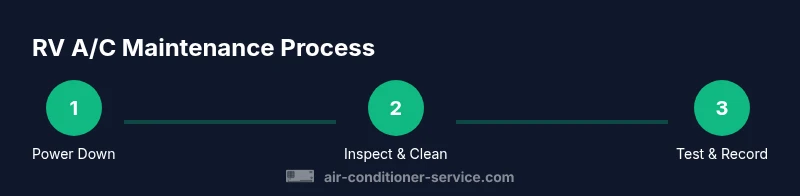
- Power down and isolate the unit before any cleaning.
- Clean the condenser exterior and gently brush the fins.
- Check and replace filters; clean the drain line and pan.
- Test airflow and thermostat operation; verify electrical connections.
- Log maintenance dates and plan the next check before your next trip.
Tools & Materials
- Screwdriver set (Phillips and flathead)(Include #2 Phillips and flat-head sizes)
- Multimeter(Test 12V supply and fuses)
- Soft brush or microfiber cloth(For exterior condenser fins)
- Garden hose or spray bottle with water(Gentle cleaning—avoid high pressure)
- Non-abrasive cleaner or mild soap(For exterior surfaces)
- Bucket(Water catch and rinse)
- Replacement air filters(Match your RV model)
- Gloves(Hand protection)
- Ladder or stable step stool(Safe access to roof)
- Flashlight(Inspect dark corners)
- Vacuum with hose attachment(Optional for interior cleaning)
- Rags or microfiber towels(Dry and wipe components)
Steps
Estimated time: 60-90 minutes
- 1
Power down and access unit
Turn off power to the RV A/C at the main breaker and shore power inlet. If equipped, disconnect the RV battery to ensure no accidental energizing. Open the service panel and prepare your workspace on the roof or inside the unit access area.
Tip: Double-check that the unit is fully powered down before touching any wires. - 2
Inspect mounting and seals
Check the roof curb, screws, and gasket for cracks or signs of wear. Replace damaged seals to prevent leaks and ensure the unit remains securely mounted during travel.
Tip: Work with a helper on the ladder to avoid dropping tools or damaging components. - 3
Clean the outdoor condenser surface
Gently brush away dirt and debris from the condenser fins. Rinse with a light stream of water from a safe distance to avoid bending fins. Do not use high-pressure spray on the fins or electrical housing.
Tip: Use a dedicated soft-bristle brush to prevent damage to delicate fins. - 4
Inspect and clean the air filter
Remove the filter and examine its pleats. If staining is heavy or airflow is noticeably reduced, replace it with a correct-sized filter. Allow a dry period before reinstalling.
Tip: Keep spare filters on hand to minimize downtime during trips. - 5
Inspect and clear the drain line
Locate the condensate drain; look for clogs or standing water. Use a flexible tool to loosen any buildup and flush with warm water until clear.
Tip: Avoid chemical cleaners that could damage plastics or tubing. - 6
Check airflow, thermostat, and electricals
With the unit powered, verify that air flows evenly from all vents and that the thermostat executes setpoint changes. Inspect visible wiring and connections for signs of wear or corrosion.
Tip: If you see loose or damaged wiring, stop and consult a professional. - 7
Test operation and listen for issues
Run the unit for several minutes, listening for abnormal sounds and feeling for consistent cooling. Note any odors or ice formation on evaporator coils, which indicate airflow problems or refrigerant concerns.
Tip: If you hear grinding or unusual hums, power down and inspect further or call a pro. - 8
Document findings and schedule next maintenance
Record tasks performed, parts replaced, and any observations. Schedule the next maintenance window and set reminders for filter changes and professional checks.
Tip: Use a simple log to track your RV A/C health over multiple trips.
Common Questions
How often should I service my RV air conditioner?
Aim for at least two annual checks (spring and fall) in addition to monthly quick cleanups during heavy use.
Plan two major checks a year and do quick monthly cleanups when you’re using the RV a lot.
Can I clean the condensate drain line myself?
Yes. Clear minor clogs with a flexible brush and flush with warm water. If you notice persistent blockage or leaks, contact a pro.
Yes, you can clear minor clogs with a flexible brush and warm water, but call a pro if it keeps clogging.
What tools do I need for basic RV AC maintenance?
A basic kit includes a screwdriver set, multimeter, brushes, microfiber cloths, replacement filters, and a ladder for roof access.
You’ll need a screwdriver, multimeter, brushes, microfiber cloths, spare filters, and a ladder for the roof.
Is it safe to run the RV AC on battery power?
Most RV A/C units require 120V AC shore power or a generator; running on battery alone is not typical or recommended.
RV A/Cs usually need 120V AC power or a generator; battery power alone isn’t usually sufficient.
How do I know when the filter needs replacement?
If airflow is reduced, vents are blocked, or you notice visible dirt, replace the filter and check again in a few trips.
Low airflow or dirty-looking filters mean it’s time to replace.
When should I call a professional?
If you smell refrigerant, hear abnormal noises, see ice on the coils that won’t clear after cleaning, or see water leaks, contact a technician.
Call a professional if you smell refrigerant, hear strange noises, or see leaks.
Watch Video
The Essentials
- Schedule regular rv air conditioner maintenance to prevent breakdowns.
- Clean and inspect drain line and filter monthly.
- Inspect roof seals to prevent leaks and water damage.
- Follow safety procedures when working on the roof and electrical components.
- Maintain a simple maintenance calendar to plan future trips.