How to Get Air Conditioner Winter-Ready: A Step-by-Step Guide
Learn how to get your air conditioner ready for winter with a practical, step-by-step routine. From cleaning the outdoor unit to protecting indoor components, this guide covers safety, maintenance, and when to call a professional for a worry-free winter.


Preparing your air conditioner for winter means a safe, practical routine: clean and inspect the outdoor unit, seal gaps in exposed lines, protect the unit if appropriate, and verify thermostat settings. Always power down the unit before opening panels; call a pro if you hear grinding or feel leaks.
Why Winter Prep Matters for Your AC
Winter is a quiet season for most air conditioners, but neglecting the system can lead to moisture buildup, corrosion, and clogged drainage come spring. According to Air Conditioner Service, proper winter prep reduces the chance of damage and helps your system start smoothly when you need cooling again. A thoughtful preload of maintenance also supports indoor air quality by keeping filters clean and the return path clear. This section lays out the why, not just the how, of winter readiness so homeowners and renters understand the value of each step.
When you prepare for winter, you’re protecting both outdoor and indoor components. The outdoor condenser sits in weather exposure, which can accelerate wear on fins and electrical contacts. Indoor parts—especially the air handler and filters—benefit from a quick seasonal check to verify airflow and humidity control. The goal is to keep moisture out, keep airflow steady, and reduce the risk of surprises in late winter or early spring. Air Conditioner Service analysis shows that a deliberate fall/winter prep reduces service calls and extends equipment life over the next cooling season. Use this guide to build a safe, repeatable routine that fits your home.
Outdoor Unit Cleaning and Debris Removal
The outdoor condenser is the most exposed part of the system during winter. Start by powering off the unit at the breaker and verifying that the area around the unit is clear of leaves, mulch, and debris. Remove any obvious buildup with a soft brush and a gentle spray from a garden hose, using low pressure to avoid bending the delicate fins. Never use a metal object to poke at the fins or blast them with high-pressure water; damaging the fins can reduce airflow and efficiency. After cleaning, inspect for signs of corrosion, loose wiring, or detached connections. If you see anything unusual, note it for professional attention. Regular seasonal cleaning helps ensure water drains away properly and minimizes the risk of ice formation when temperatures fluctuate.
Sealing and Insulating Refrigerant Lines
Refrigerant lines traveling from the outdoor unit into the home can pick up moisture and cold air over the season. Check the insulation around these lines; if you feel cold air or see damp insulation, replace or reseal with foam weatherstripping. Proper insulation reduces energy loss and helps prevent condensation buildup on surrounding surfaces. Use foam sealant tape or manufacturer-approved insulation to ensure a snug fit. If you notice frayed insulation or signs of wear, plan for a quick replacement to protect the lines from harsh winter moisture.
Indoor Filters, Ducts, and Airflow
Inside the home, the air filter plays a critical role in air quality and system efficiency. Winter air is drier, which can cause dust and allergens to accumulate faster. Replace disposable filters or clean reusable ones according to the manufacturer’s schedule. While you’re at it, inspect the return air duct for obvious blockages or disconnections and ensure the blower can run without obstruction. Clear airflow not only improves comfort but also reduces the risk of frost formation on AC components should temperatures swing unexpectedly.
Thermostat Settings and Seasonal Testing
Your thermostat is the brain of the system. Confirm it’s set to heat mode or an appropriate energy-saving setting for shoulder-season days. Test the blower by running a short cycle to confirm it starts smoothly and distributes warm air evenly. If you have a smart thermostat, review scheduling and geolocation features to optimize energy use during winter weather. This step helps verify control logic and prevents a cold surprise during a chilly morning.
Protecting the Outdoor Unit (When to Use a Cover)
If you decide to cover the outdoor unit for winter, choose a breathable cover and ensure it’s not fully sealed. An airtight cover can trap moisture and promote rust or mildew. Remove the cover on milder days or during maintenance checks and never cover the top of the unit during operation. The goal is to limit debris and ice buildup without restricting airflow or trapping moisture that could damage electrical components. Air Conditioner Service recommends tailoring cover use to your local climate and the unit’s design.
Seasonal Maintenance Checklist and Schedule
Create a simple fall/winter checklist that fits your home: inspect the outdoor unit, clean the coils and fins, inspect insulation and seals, replace indoor filters, verify thermostat programming, and test run the system briefly to confirm starting and airflow. Schedule a professional inspection at least once per year to catch issues you may miss and ensure refrigerant pressure, electrical connections, and safety controls are in good shape. Consistency matters more than intensity—short, regular checks beat infrequent, lengthy overhauls.
When to Call a Professional
While many winter-prep steps are safe for DIY, certain issues require a pro: refrigerant leaks, persistent ice buildup on the outdoor coil, unusual noises, or electrical smells. If you see dampness around electrical components or the unit struggles to start after a winter check, contact a licensed technician. Early professional help can prevent costly failures during peak season and maintain system efficiency. The Air Conditioner Service team emphasizes proactive maintenance to minimize emergency repairs and extend equipment life.
Tools & Materials
- Basic hand tools (screwdriver, pliers, adjustable wrench)(for panel access and loose components)
- Soft brush or microfiber cloth(gentle cleaning for coils and fins)
- Garden hose with spray nozzle(low pressure; avoid high-pressure on fins)
- Vacuum with brush attachment(optional access cleaning around unit)
- Ladder or stable step stool(for easy access to outdoor unit)
- Outdoor condenser cover (breathable)(use only when unit is fully powered down; remove before start-up)
- Foam weatherstripping or sealant tape(seal exposed refrigerant line gaps)
- Replacement air filter(check size, replace or clean per manufacturer)
- Thermometer or infrared temp gun(verify ambient and return-air temperatures)
- Electrical test tool (non-contact or voltmeter)(only if you are comfortable around electrical components)
Steps
Estimated time: 60-90 minutes
- 1
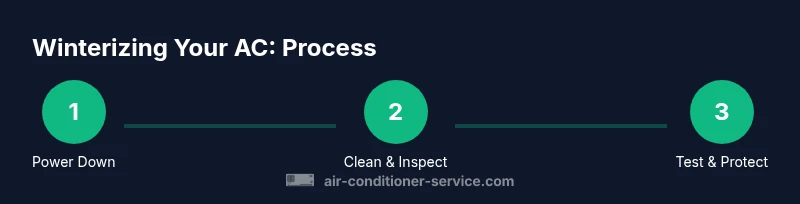
Power down the system and access panels
Turn off the outdoor unit at the disconnect or breaker. Wait a few minutes for any stored charge to dissipate. Remove access panels carefully to inspect wiring and connections without disturbing them. This first action prevents electric shock and preserves safety during the inspection.
Tip: If you’re unsure about electrical work, skip panel removal and call a pro. - 2
Clean the outdoor condenser and remove debris
Use a soft brush to remove loose dirt and leaves around the fins. Rinse with a garden hose on a gentle setting, keeping water pressure low to avoid bending fins. Dry the unit and inspect for damage or corrosion after cleaning.
Tip: Do not use a high-pressure washer; it can bend fins and impair airflow. - 3
Inspect and insulate refrigerant lines
Check the insulation on refrigerant lines and replace if worn. Ensure foam is snug around all exposed sections and that there are no gaps where cold air could enter. Proper insulation reduces energy loss and moisture buildup.
Tip: Use approved insulation material designed for refrigerant lines. - 4
Check indoor air filtration
Remove and inspect the indoor filter. Replace disposable filters or clean reusable ones. A clean filter maintains airflow, improves efficiency, and reduces dust and moisture transport through the system.
Tip: Note filter size and type before purchasing replacements. - 5
Test thermostat and blower operation
Set the thermostat to a heating or adaptive mode and run a quick cycle to verify blower and airflow. Listen for unusual noises or vibrations and confirm temperatures match setpoints. This confirms control and air delivery function before winter uses.
Tip: If your system is smart, review scheduling and energy settings for winter efficiency. - 6
Decide on a winter cover strategy
If you choose a cover, select a breathable option and install it only when the unit is off. Do not seal the top; ensure there is still airflow to prevent moisture buildup. Remove the cover during inspections or mild days to check for ice or debris.
Tip: Never cover a running unit; covers should be used only when off. - 7
Create a simple winter-maintenance routine
Record a basic schedule: inspect the unit monthly, replace filters as needed, and note any changes in performance. Create reminders to test the system and clean debris around the outdoor unit.
Tip: Keep a small maintenance log to track changes year over year. - 8
Schedule a professional check
Even with DIY winter prep, plan an annual inspection by a licensed technician to verify refrigerant levels, electrical safety, and overall system health. A pro can identify issues you may not notice during routine checks.
Tip: Book early in fall to avoid busy winter repair windows.
Common Questions
Should I cover my outdoor AC unit in winter?
Covering can be helpful in very snowy climates, but use a breathable cover and never seal airflow. Remove the cover when temperatures rise or before starting the unit.
A breathable cover is okay in snowy climates, but never seal the airflow. Remove the cover before you start the unit again.
Can I clean the outdoor unit with a hose?
Yes, use a low-pressure spray and keep the nozzle at a safe distance to avoid bending fins. Do not use high-pressure washing.
Yes, with a low-pressure spray from a distance. Don’t use high pressure or you can bend the fins.
How often should I replace indoor filters in winter?
Check the filter monthly and replace or clean according to the manufacturer’s guidance to maintain airflow and indoor air quality.
Check monthly and replace or clean as directed by the manufacturer to keep airflow clean.
Is winter prep a DIY task or should I hire a pro?
Many tasks are DIY-safe (filter replacement, simple cleaning), but refrigerant, electrical issues, or refrigerant lines should be handled by a licensed technician.
Some tasks you can do yourself, but refrigerant or electrical work needs a licensed professional.
What signs indicate I need professional service?
If you notice ice on the outdoor coil, loud grinding, or refrigerant leaks, call a professional for inspection and service.
Ice on the outdoor coil, loud noises, or refrigerant leaks mean call a pro.
What’s the benefit of winterizing even if I don’t use cooling?
Winterizing helps prevent moisture damage, protects electrical components, and reduces the risk of future costly failures when the system restarts.
It prevents moisture damage and helps avoid costly failures when you restart in spring.
Watch Video
The Essentials
- Plan a safety-first winter prep routine
- Clean and inspect both outdoor and indoor components
- Protect against moisture and debris without blocking airflow
- Schedule a professional check to confirm system health