Can You Leave a Window AC in Winter? Practical Guide
Can you leave a window air conditioner in winter? Learn when to leave or store, how to prepare, safety tips, and maintenance guidance from Air Conditioner Service. Practical steps for homeowners and renters.


Goal: determine if you should leave a window air conditioner in place during winter and how to prepare it safely. In most cases, unplug the unit, remove power cords, and store it in a dry, ventilated area. If you must leave it in place for seasonal use, follow proper weatherproofing, drainage checks, and routine maintenance to minimize damage and energy waste.
Winter considerations for window air conditioners
The question can you leave window air conditioner during winter is one homeowners and renters often ask as temperatures drop. According to Air Conditioner Service, winter storage is usually the safest option for most window units because it minimizes moisture exposure, reduces the chance of mold growth, and protects seals and circuitry from freeze-thaw damage. This section outlines the core risks—moisture intrusion, corrosion, stuck coils, and draft-related heat loss—and provides a framework for evaluating your climate, the unit’s age and seal condition, and any rental or homeowner association rules that might apply. You'll also find practical guidance on deciding whether to leave the unit in the window or pack it away, plus the basic steps to prepare whichever path you choose. Remember, the goal is to prevent damage, avoid mold, and keep your window area secure for the winter season.
When leaving it in the window might be appropriate
There are scenarios where leaving a window AC installed for winter could be considered, particularly in climates with mild winters or in rental setups where storage space is limited. If you live in a dry, temperate area and the window is well-sealed, you may opt to leave the unit in place temporarily while using weatherproofing measures to limit drafts. The Air Conditioner Service team notes that, in these cases, you should still minimize moisture exposure by ensuring condensate drains are clear and by using a moisture absorber inside the unit’s interior housing when possible. Always verify local building codes and landlord policies before deciding to leave it installed for the season, and avoid running the unit during freezing conditions to prevent pipe or motor damage.
Shutdown, cleaning, and moisture control before storage
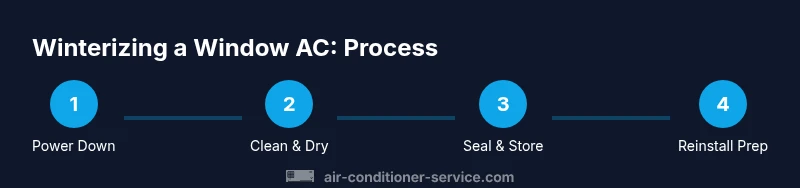
If you decide to store the window AC, a thorough shutdown and cleanup are essential. Start by turning off power at the circuit breaker and unplugging the unit. Remove the front grille and filters, gently wash them with mild detergent, rinse, and dry completely. Use a soft brush or vacuum to remove dust from fins and coils, then wipe the interior surfaces with a dry microfiber cloth. Moisture is the enemy in winter storage, so consider placing silica gel packs or other moisture absorbers inside the unit’s casing (not directly on electrical components) and keep the unit in a dry, climate-controlled space. As Air Conditioner Service analysis shows, reducing humidity before storage dramatically lowers the risk of mold and corrosion when you bring the unit back into service.
Weatherproofing and condensation management if you must leave it installed
If leaving the unit in the window is necessary due to space constraints or building rules, prioritize weatherproofing to minimize drafts and condensation. Seal gaps around the window frame with weatherstripping or foam tape, angle drainage to direct condensate away from the sill, and ensure the unit is tilted slightly to promote drainage away from the window. Clean and inspect the condensate pan and drain hose to prevent clogs that could cause overflow. Keep an eye on humidity levels inside the room and consider a small dehumidifier nearby to reduce moisture buildup over the winter. This approach reduces risk, but it requires diligent maintenance and periodic checks throughout the season.
How to store a window AC properly: a practical checklist
A clear storage plan makes winter preparation straightforward. Start with unplugging and removing the unit from the electrical outlet, then disassemble as needed to access filters and removable panels for cleaning. Dry every component completely before reassembly, and wrap delicate parts to prevent dust accumulation. Store in a dry, ventilated space with stable temperature where possible; use moisture absorbers, and place the unit on a rack or shelf to allow air circulation. If you must keep the AC mounted, document the weatherproofing steps you took and schedule a pre-spring inspection to verify seals and drainage remain effective. This organized approach minimizes surprises when you reinstall in spring, and helps you maintain energy efficiency year after year.
Maintenance and safety reminders for spring re-installation
As winter ends, plan a targeted re-installation checklist to reestablish optimal operation. Inspect electrical connections for wear, test the unit without loading it in the window, and replace any filters or worn gaskets. Check seals around the window for gaps and re-tighten screws or brackets as needed. A spring re-installation is a good time to consider upgrading weather-stripping or window film to improve energy efficiency. The Air Conditioner Service team recommends documenting any issues observed during storage so you can address them promptly once temperatures rise.
Tools & Materials
- Phillips and flat-head screwdrivers(To remove screws and panel fasteners)
- Soft cloths or microfiber towels(For drying and buffing surfaces)
- Vacuum with brush attachment(Clean dust and debris from coils and slits)
- Mild detergent or isopropyl alcohol(For cleaning; use sparingly and avoid aggressive solvents)
- Silica gel packets or moisture absorber(Helps reduce humidity inside storage)
- Window weatherproofing tape or foam(Block drafts if you leave the unit installed)
- Storage bag or large plastic sheeting(Protect from dust during storage)
Steps
Estimated time: 45-75 minutes
- 1
Power down and unplug
Turn off the unit at the thermostat and unplug from the wall. This prevents any electrical shock and allows you to safely handle all parts during cleaning and storage. Confirm the breaker is off to avoid an accidental restart during maintenance.
Tip: If the unit is hard to reach, switch off at the breaker panel first, then unplug the cord at the wall. - 2
Remove grille and filters
Gently remove the front grille and take out the washable filters. Rinse filters with mild detergent if needed, then dry completely before storage. Removing the filters also improves airflow during re-installation checks.
Tip: Label or photograph the filter order to simplify reassembly. - 3
Clean the coils and interior
Use a vacuum with a brush attachment to remove dust from coils and fins. Wipe interior surfaces with a dry microfiber cloth; avoid leaving moisture behind. Ensure there is no standing water in the condensate pan or drain tray.
Tip: Do not spray water directly into the coils; use a damp cloth if needed. - 4
Dry and protect components
Allow all components to dry completely before storage. Place silica gel inside the housing and near any exposed metal parts to reduce humidity. Reassemble only after everything is fully dry.
Tip: Install moisture absorbers only inside the housing, not on electrical contacts. - 5
Decide storage approach
If space allows, store the unit indoors in a dry area. If you must leave it in the window, apply weatherproofing tape or foam around the frame and tilt slightly to promote drainage away from the sill.
Tip: Take photos of how you sealed the window for your records and future reference. - 6
Prepare for spring re-installation
Set a reminder to inspect seals, hoses, and electrical connections before re-installation. Check for rust or corrosion on metal parts, and replace worn gaskets or seals as needed. Keep track of any parts that require replacement.
Tip: Keep a simple checklist so you can quickly confirm all steps are complete when you bring the unit back into service.
Common Questions
Should I unplug my window AC for winter?
Yes. If possible, unplug and store the unit indoors to prevent moisture buildup and damage from freezing temperatures. If you must leave it installed, ensure proper weatherproofing and drainage.
Unplug if you can, and store indoors. If you must leave it, seal gaps and keep drainage clear.
Can I leave the window AC in place during winter?
In mild climates you might leave it temporarily, but you should seal gaps and monitor condensation. In most cases, removing and storing is safer for long-term reliability.
You can leave it in place only in mild climates with good weatherproofing; otherwise, store it.
How do I store a window AC properly?
Disconnect, clean, and dry all components, then store in a dry place with moisture control. If storing in the window, seal the frame and direct condensate away from the sill.
Disconnect, clean, dry, and store in a dry area. If you leave it in the window, seal the frame.
What about energy efficiency when stored improperly?
Improper storage can lead to moisture damage and mold, which may increase energy usage when you reinstall. Proper storage helps maintain efficiency.
Poor storage can make the unit work harder later; store it dry and clean.
Is winterizing different for heat pump window units?
Heat pump window units require additional checks for refrigerant lines and electrical connections. Follow manufacturer guidance and local codes.
Heat pump units need extra checks; consult the manual and local rules.
Watch Video
The Essentials
- Unplug and clean before storage to reduce moisture and mold.
- Weatherproofing helps when leaving the unit in place.
- Plan a spring re-installation checklist to ensure safe operation.
- Follow landlord or local codes for winter use.