Air Conditioner Tune-Up Near Me: A Practical Guide
Find practical steps to schedule and perform an air conditioner tune up near you. Learn inspection, cleaning, and maintenance tips to boost efficiency, extend life, and reduce energy costs.


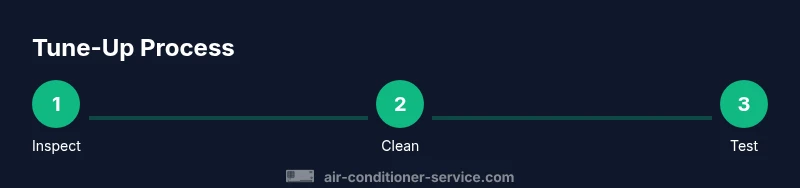
With a tune-up near you, you’ll restore efficiency, extend life, and reduce cooling costs. A typical tune-up includes a system inspection, coil cleaning, condensate drain check, thermostat calibration, and airflow testing. Start by locating a qualified technician in your area, then schedule a service window that fits your daily routine.
What a tune-up covers and why it matters
A professional air conditioner tune-up is a preventive service designed to keep your system running efficiently and reliably. According to Air Conditioner Service, regular tune-ups help homeowners catch small issues before they become costly breakdowns, which can save money and prevent urgent repairs. A comprehensive tune-up typically includes a system inspection of both the indoor evaporator and outdoor condenser, coil cleaning to maintain heat transfer, and checks of electrical connections and safety components. Technicians also verify thermostat calibration, airflow balance, and condensate drainage. Cleaning evaporator coils improves efficiency by reducing the burden on the fan and compressor, while drainage checks prevent water damage and mold growth. Most homes benefit from a yearly tune-up, ideally scheduled before peak cooling season, with hotter climates or aging systems sometimes needing an extra mid-year check. The payoff is measurable: cooler rooms with fewer temperature swings, lower energy bills, and fewer inconvenient outages. Tune-ups are a proactive investment that reduces emergency repairs and extends system life.
DIY vs professional tune-ups: what you can and can't do
Some routine maintenance tasks can be done by confident homeowners, but a full tune-up near me should be performed by a licensed HVAC professional. Do-it-yourself steps like changing air filters, clearing the outdoor unit of debris, and wiping accessible surfaces are valuable but can only go so far. A professional tune-up includes processes that require specialized tools, safety protocols, and refrigerant handling knowledge that are not safe or legal to perform without proper credentials. If you are considering DIY, start with filter changes and outdoor coil cleaning, but schedule a professional inspection for coil analysis, refrigerant checks, electrical diagnostics, and internal component lubrication when applicable. Set expectations that DIY tasks will not replace professional maintenance, especially for older or complex systems.
The critical checks during a professional inspection
During a standard tune-up near me, a technician will perform multiple checks to confirm system health. They typically inspect electrical connections for signs of wear, test capacitor and contactor operation, and verify the blower motor runs smoothly without unusual noises. They assess refrigerant lines for leaks, measure pressures where permitted, and ensure the thermostat communicates correctly with the air handler. The outdoor condenser is checked for debris buildup, bent fins, and proper airflow clearance. A thorough inspection also includes duct and register checks to ensure air is being delivered where needed, and a final test ensures temperature differential across the supply and return air meets design specifications. This combination helps identify issues before they become costly failures.
Cleaning and airflow optimization for efficiency
Cleaning is a central pillar of tune-up efficiency. Technicians clean and gently scrub the outdoor condenser coils to improve heat transfer, replace or clean air filters as needed, and inspect the air handler for dust buildup. They test airflow using manometers or flow hoods to verify that the system delivers the intended CFM (cubic feet per minute) across vents. Proper airflow not only cools rooms more evenly but also reduces stress on the compressor. If ducts show signs of leakage or significant debris, the technician may recommend sealing or professional duct cleaning as a separate service. Regular coil and filter maintenance translates into lower energy usage and quieter operation.
Drainage and condensate line care
A tuned-up AC keeps condensate lines clear to prevent water damage and mold growth. Technicians inspect the condensate pan and drain line, remove blockages, and ensure gravity drainage is unobstructed. If necessary, they may treat the line with approved cleaners or flush with minimal amounts of water to avoid standing liquid that can promote microbial growth. A clean drainage system protects indoor air quality and prevents overflow that could damage ceilings and floors. For homes with humid climates, scheduling drain-line checks along with coil cleaning delivers substantial reliability gains.
Safety considerations and when to call a pro
Safety is a priority in any tune-up. Always power down at the disconnect switch before opening panels, and never bypass protective covers. If you notice unusual odors, refrigerant smells, or buzzing from the electrical disconnect, stop and call a licensed HVAC technician. Do not attempt refrigerant handling or capacitor work unless you are trained and certified. The presence of reported gas smells, chemical residues, or visibly damaged wires is a clear reason to pause and seek professional service immediately. The goal of safety checks is to protect your home and your family while ensuring the system operates within manufacturer specifications.
How to find a reliable tune-up near you
To locate a trustworthy near-me service, start with licensed HVAC contractors in your area and read recent customer reviews. Look for technicians who publish transparent pricing, provide written estimates, and carry liability and worker’s compensation coverage. Checking for credentials such as state licensing, NATE certification, or ACCA membership adds reassurance. Ask for a detailed written inspection report and a clear explanation of recommended follow-up steps. Finally, consider scheduling periodic maintenance with a familiar company to build continuity and ensure warranty compatibility.
What to expect during a typical appointment
A standard tune-up appointment usually lasts between one and three hours, depending on system age and size, and whether any issues arise during inspection. The technician will verify proper refrigerant charge, test electrical components, and ensure safe venting and drainage. They’ll review the service findings with you, replace dirty filters, and provide a maintenance checklist with recommended future tasks. If a problem is found, the technician may propose a repair or replacement plan and offer a realistic timeline for next steps. After the service, you should notice improved cooling performance, quieter operation, and steadier indoor temperatures.
Maintenance plan and long-term savings
Developing a simple maintenance plan helps you lock in efficiency gains and prolong system life. Schedule an annual tune-up and, in hotter climates, consider a mid-season check. Use a simple home registry or calendar reminder to track filters, thermostat recalibration, and coil cleaning. Keeping filters clean enhances airflow, reducing energy consumption and equipment wear. Investing in regular maintenance reduces the likelihood of major breakdowns, minimizes emergency repair costs, and supports energy efficiency ratings. As the Air Conditioner Service team notes, proactive care is often less expensive than reactive fixes, especially for aging units.
Tools & Materials
- Screwdriver set (Phillips and flat-head)(Essential for access panels and mounting screws)
- Vacuum with attachments(Dust removal around blower and coils)
- Coil cleaner spray (non-acid)(Outdoor condenser coils)
- Soft cloths or microfiber towels(Wipe surfaces and coils)
- Safety glasses and work gloves(Personal protection)
- Voltage tester(Test disconnects and wiring safety)
- Ladder (if needed)(Access to elevated components)
- Drain cleaning tool or flush(Condensate line maintenance)
- Thermostat calibrator or app(Optional for precise calibration)
- Shop vacuum bag or bucket(Containment during cleaning)
Steps
Estimated time: 2-3 hours
- 1
Schedule and prep
Confirm appointment time and access to the HVAC system. Clear outdoor space and ensure pets are safe. Have model and serial numbers handy for the service report.
Tip: A clear path and easy access help the technician work efficiently. - 2
Power down and safety checks
Turn off power at the disconnect and verify there is no live current. Check safety labels and ensure you understand potential hazards before any inspection.
Tip: Never bypass safety covers or probes; electricity can be dangerous. - 3
Inspect outdoor condenser
Examine the outdoor unit for debris, bent fins, and proper clearance. Remove leaves or branches that impede airflow and visually inspect for physical damage.
Tip: Maintain at least 3 feet of clearance around the unit. - 4
Clean condenser coils
Apply coil cleaner to the outdoor coils and rinse with water if approved by the manufacturer. Gently brush fins to avoid bending and improve heat exchange.
Tip: Use a spray bottle to target tough grime without damaging components. - 5
Check refrigerant lines and electricals
Inspect refrigerant lines for oil residues or leaks and verify electrical connections are tight and corrosion-free. Do not attempt refrigerant handling yourself.
Tip: If you notice a refrigerant odor, pause and contact a pro immediately. - 6
Thermostat and airflow test
Calibrate the thermostat or confirm communication with the air handler. Measure airflow at supply registers and adjust dampers if needed to balance rooms.
Tip: A balanced system reduces hot or cold spots and improves comfort. - 7
Inspect drains and filters
Check the condensate drain for blockages and test drainage. Replace or clean filters to maintain proper airflow and humidity control.
Tip: Replace disposable filters every 1-3 months during peak season. - 8
Test operation and report
Run the system, observe performance, and compare outcomes to manufacturer specifications. Review the findings with you and provide a written maintenance plan.
Tip: Ask for a written checklist and recommendations for next steps.
Common Questions
How long does a typical air conditioner tune-up take?
Most basic tune-ups take about 60 to 120 minutes depending on system complexity and accessibility. More extensive inspections or older equipment can run longer. Your technician will provide an estimate before starting.
Most tune-ups take about an hour or two, depending on the system. The technician will estimate duration before starting.
Is it worth scheduling a tune-up every year?
Yes. Annual tune-ups help prevent sudden failures, improve efficiency, and extend the system’s life. They can also catch small issues early before costly repairs arise.
Absolutely. An annual tune-up helps prevent surprise failures and keeps your system efficient.
What should I do if my AC still isn’t cooling after a tune-up?
If cooling does not improve after a tune-up, schedule a follow-up with the same technician or seek a second opinion. There may be underlying issues such as duct leaks, refrigerant problems, or equipment age that require targeted repairs.
If it still isn’t cooling, contact your technician for a follow-up or a second opinion.
Can I perform a tune-up myself at home?
You can perform basic maintenance like changing filters and clearing debris from the outdoor unit. However, refrigerant handling, electrical testing, and internal component work should be left to a licensed HVAC professional.
You can do simple checks, but major work should be done by a pro.
What credentials should I look for in a technician?
Look for state licensing, NATE certification, and clear written estimates. Ask for a service report and warranty details to ensure accountability and after-service support.
Check for proper licensing, certification, and clear warranties.
How does a tune-up affect energy bills?
A well-tuned system runs more efficiently, reducing energy consumption and potentially lowering monthly bills. The exact savings depend on your climate, system age, and usage.
A good tune-up can lower energy use and bills, depending on your climate and system.
Watch Video
The Essentials
- Schedule annual tune-ups for reliability and efficiency
- Professional inspections cover safety, refrigerant, and airflow
- Regular cleaning and filter changes save energy and extend life
- Know when to call a pro for refrigerant and electrical work
- Maintain a maintenance calendar for long-term savings