How to Install an Air Conditioner in the Wall: A Complete Guide
A comprehensive, step-by-step guide to installing a wall-mounted air conditioner safely, including planning, sleeve mounting, electrical considerations, sealing, testing, and maintenance. Learn best practices from Air Conditioner Service.


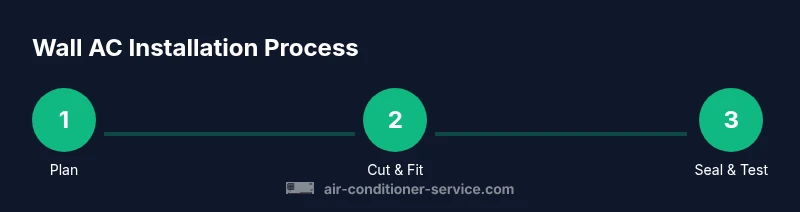
This guide shows how to install a wall-mounted air conditioner safely and efficiently. You’ll assess space, prepare a clean wall, secure a mounting sleeve, wire a dedicated circuit, install the unit, test cooling, and seal for energy efficiency. Follow safety guidelines and local codes. Essential tools include a stud finder, level, drill, tape measure, and voltage tester.
Why this approach helps homeowners
A wall-mounted air conditioner is a space-efficient alternative to window units, offering quiet operation and a cleaner exterior. Proper installation reduces air leaks, improves efficiency, and simplifies future maintenance. According to Air Conditioner Service, safe, code-compliant installation is essential for durability and efficiency. This section explains why a wall install can be the right choice for many homes and what to plan before you begin, including room size, wall structure, and electrical needs. By understanding the fundamentals, you’ll avoid common mistakes that cause energy waste or structural damage. The goal is a secure mount, a sealed envelope around the sleeve, and a reliable electrical connection that meets local codes.
For homeowners and renters, this guide keeps the process practical and affordable. You’ll learn how to evaluate the wall for a sleeve, estimate opening size, and coordinate with a licensed professional for refrigerant-related work when needed. Air Conditioner Service emphasizes careful planning as the foundation of a successful install.
Safety and planning considerations
Safety is the foundation of any in-wall installation. You should shut off the dedicated circuit, verify there is no live power in the wall cavity, and wear protective gear. Confirm structural support—your sleeve and mounting brackets must bear the unit’s weight without compromising siding or drywall. Many jurisdictions require permits or inspections for major electrical work and wall modifications; local codes vary, so check with your city or county building department. When in doubt, consult a licensed HVAC technician for the electrical and refrigerant portions of the job.
Air Conditioner Service notes that a properly sized sleeve and correct seal prevent air leaks, moisture intrusion, and energy waste. Keep a clear workspace, protect interior surfaces from dust, and plan the routing of refrigerant lines and condensation away from living areas. This phase sets the stage for a smooth installation and helps you avoid costly rework.
Space assessment, wall selection, and unit sizing
Choosing the right wall and unit size is crucial. Evaluate the wall’s thickness, siding, and interior backing to support the sleeve. Measure the available vertical and horizontal clearance around the installation site to ensure proper room for airflow and exterior grille. The sleeve should leave at least 2–3 inches of space on all sides to allow air intake and exhaust. Consider future access for maintenance and service. If you’re unsure about the wall’s load-bearing capability or the existence of hidden pipes or wires, hire a pro to verify. The unit’s capacity should align with the room’s cooling needs, and energy-efficient models can reduce operating costs in the long run.
Air Conditioner Service’s guidance stresses confirming wall integrity, sleeve compatibility with the chosen unit, and a plan for condensation and drainage routes. By documenting measurements now, you reduce the risk of ordering the wrong sleeve size or damaging the wall later.
Tools, materials, and planning checklist
Gathering the right tools ahead of time keeps the workflow efficient. Use a stud finder to locate framing, a level to ensure the sleeve is plumb, and a drill with appropriate bits for fasteners. Have a drywall saw or rotary tool ready to create the wall opening, plus a sealant for exterior and interior finishes. An insulation kit for the refrigerant line set helps prevent condensation and energy loss. A dedicated electrical circuit, correct gauge wire, and a voltage tester are essential for safe wiring. If your wall is masonry or concrete, you’ll need different drill bits and possibly a hammer drill.
Air Conditioner Service underlines the importance of verifying electrical capacity and planning line routing to minimize bending of copper lines and avoid pressure drops. This planning step reduces surprises when you begin cutting and mounting, and it helps you align with building codes from the start.
Cutting the opening, mounting the sleeve, and aligning the unit
Cutting the wall opening must be precise to avoid damaging studs or electrical paths. Use the sleeve’s template to mark the cut line, then carefully remove material with a drywall saw or oscillating tool. Dry-fit the sleeve to confirm a snug, level fit before fasteners go in. Attach mounting brackets to the studs, ensuring vertical plumb and horizontal alignment. The goal is a solid, square opening with a secure sleeve that can support the installer unit. Keep the interior surface clean and free of debris to prevent scratches on the cabinet or finish plates.
Pro tip: work in teams if possible. One person holds the sleeve in place while the other checks level and plumb before tightening brackets.
Routing lines, condensate management, and electrical considerations
Once the sleeve is secured, route the insulated refrigerant line set and condensate drain through the wall cabinet or wall cavity. Avoid sharp bends and kinks; use clamps to secure lines to framing through the exterior opening. Electrical wiring should be routed in accordance with local codes, with a dedicated circuit and properly sized breaker. Do not connect to an existing multi-purpose circuit or bypass safety switches. A licensed electrician may be required for the final wiring and grounding.
Air Conditioner Service notes that improper line routing can cause refrigerant leaks or moisture intrusion, which degrade performance and comfort. Keep the interior and exterior paths clean and protected from weather and pests.
Exterior sealing, interior trim, and system testing
Seal around the sleeve with exterior-grade caulk or flashing to prevent water intrusion and drafts. Reinstall interior trim to create a clean, finished look and avoid air gaps that reduce efficiency. The interior surface should be smooth to protect the sleeve edge and prevent paint chipping. After closing the interior, you’ll need a certified HVAC technician to evacuate and charge the refrigerant, test for leaks, and verify performance. Do not operate the unit if the refrigerant line is open or damaged.
Air Conditioner Service emphasizes finishing with a robust seal and a verified refrigerant charge by a pro for safety and efficiency. A well-sealed installation improves efficiency and reduces energy costs.
Final checks, startup, and maintenance planning
Power up the system only after the unit is properly mounted, sealed, and charged by a licensed technician. Listen for unusual noises or refrigerant hisses and check for unusual odors, which can indicate leaks. Verify airflow and thermostat response, then adjust a few degrees to balance comfort with energy use. Create a simple maintenance plan that includes filter changes, coil cleaning, and seasonal checks. Schedule annual inspections with a trusted service provider to keep the system performing at peak efficiency. By documenting the process, you’ll have a durable, comfortable space that holds up over time.
Maintenance, warranty, and when to call a pro
Regular maintenance is essential. Clean or replace filters as recommended, inspect the exterior grille for debris, and monitor drainage to prevent mold growth. Record service dates and keep receipts for warranty coverage. If you encounter refrigerant leaks, electrical trouble, or significant water intrusion, contact a licensed HVAC professional immediately. Air Conditioner Service reminds homeowners that proper installation and occasional professional checks safeguard your investment and ensure safe operation over the long term.
Tools & Materials
- Stud finder(to locate studs and avoid hidden lines)
- Tape measure(minimum 16 ft recommended)
- Level(for plumb and level mounting)
- Pencil/marker(for marking cut lines)
- Cordless drill/driver(with assorted bits for screws and anchors)
- Drywall saw or oscillating tool(to cut a clean opening in wall)
- Hole saw(for precise wall opening and sleeve fit)
- Wall sleeve mounting kit(sleeve and brackets compatible with unit size)
- Silicone caulk or exterior sealant(to seal perimeter and exterior face)
- Insulated refrigerant line set with clamps(pre-insulated lines; ensure proper gauge)
- Safety gear (gloves, safety glasses)(protect hands and eyes during cutting and drilling)
- Voltage tester or multimeter(verify power is off before wiring)
- Drywall patch kit(for repairing any incidental wall damage)
Steps
Estimated time: 3-8 hours
- 1
Power down and verify
Shut off the dedicated circuit at the main panel and test nearby outlets and switches to confirm there is no live power in the installation zone. This minimizes shock risk during electrical work and wall cutting.
Tip: Double-check you’re on the correct breaker before starting. - 2
Mark opening location
Use the unit’s sleeve template to mark the wall opening on a clean, flat section. Confirm vertical plumb with the level and ensure clearance for the interior cabinet and exterior grille.
Tip: Save the template for reference during cutting. - 3
Cut the wall opening
Carefully cut the opening with a drywall saw or oscillating tool. Check for hidden wires or pipes before removing material. Create a neat edge to ease sleeve installation.
Tip: Work slowly to avoid damaging studs or wiring. - 4
Mount the sleeve and brackets
Position the mounting sleeve and attach brackets to studs. Ensure the sleeve is perfectly level and plumb to prevent the unit from tilting once installed.
Tip: Have a helper hold the sleeve steady while you fasten brackets. - 5
Route the line set and drain
Feed the insulated refrigerant line set and condensate drain through the wall cavity and sleeve. Use clamps to secure lines and maintain gentle bends to avoid kinking. Do not crush or deform lines.
Tip: Keep line set and drain away from living spaces to reduce noise. - 6
Prepare electrical connections
Install a dedicated outlet or junction box per local codes. Leave sufficient slack in the line set and wiring for service access. This is where a licensed electrician may be required.
Tip: Never shortcut electrical work; improper wiring can be dangerous. - 7
Hang interior and exterior units
Carefully position the air handler or indoor unit inside and exterior grille outside. Check alignment with the wall opening and brackets, then secure the unit in place. Ensure adequate clearance for airflow.
Tip: Do not tilt the unit; a slight downward angle can help condensate drainage. - 8
Vacuum and leak-check (by pro)
A licensed HVAC tech should evacuate the refrigerant lines and perform a leak check before charging the system. This step ensures safety and proper performance.
Tip: If you smell refrigerant or see oil leaks, stop and call a pro immediately. - 9
Seal, finish, and test
Seal around the sleeve exterior with caulk, restore interior trim, and perform a functional test. Verify air flow, thermostat responsiveness, and drainage. Clean up debris and inspect for drafts.
Tip: Document the test results and note any adjustments for future maintenance.
Common Questions
Do I need a professional to install a wall-mounted air conditioner?
A professional is strongly recommended for the refrigerant charge, electrical connections, and proper sealing. Local codes may require permits for electrical work. If you lack experience with electrical and HVAC systems, hire a licensed technician.
Yes. Refrigerant handling and electrical work should be done by a licensed professional to ensure safety and code compliance.
Can I install it myself if the wall is simple and it’s just a sleeve?
DIY can be possible for simple sleeve installation, but you still need to handle electrical wiring according to code and ensure a proper refrigerant seal. If unsure, consult a pro to avoid leaks and safety hazards.
DIY is possible for the sleeve, but electrical and refrigerant steps should be handled by a pro.
What safety steps should I follow?
Shut off power at the panel, wear protective gear, and verify no live current near the installation site. Follow local building codes and use proper mounting hardware. If in doubt, pause and consult a licensed electrician or HVAC technician.
Turn off power, wear protection, and follow code requirements. When unsure, get a pro.
Why can’t I vent the condensation indoors and what happens if I do?
Improper drainage can cause moisture damage, mold growth, and structural problems. Always route condensate to an appropriate drain and ensure exterior drainage paths are clear.
Poor drainage can cause mold and damage, so route condensate properly.
What’s a realistic cost range for wall installation?
Costs vary based on wall material, sleeve size, and electrical work. Expect a broad range that reflects needed labor and materials. A professional assessment often provides the most accurate estimate.
Costs vary; get a professional assessment for an accurate estimate.
Watch Video
The Essentials
- Plan wall opening and sleeve sizing before cutting
- Use a dedicated circuit and proper wiring
- Seal exterior and interior gaps for energy efficiency
- Rely on a licensed tech for refrigerant work and final charging
- Test thoroughly and keep a maintenance plan