How to Install an Air Conditioner in Your House Safely
Step-by-step guide to installing an air conditioner in your home, including unit selection, mounting methods, electrical connections, and safety tips for homeowners and renters.


Installing an air conditioner in your house can improve comfort and energy efficiency, but it requires choosing the right unit, a suitable mounting method, and safe electrical connections. This guide walks you through planning, tools, and step-by-step installation to help homeowners and renters complete a code-compliant setup. According to Air Conditioner Service, proper sizing and sealing are critical for performance.
Assessing Space and Unit Type
Choosing the right air conditioner starts with understanding space, window or wall constraints, and your cooling needs. Determine whether a window unit, a through-the-wall sleeve, or a split-system mini-split fits best in your home. Consider room size, insulation, sun exposure, and typical occupancy. Air Conditioner Service analysis shows that improper sizing and mounting reduce efficiency and comfort more than common mistakes during DIY installations. Start by measuring the room volume, noting existing electrical circuits, and checking for obstructions that block airflow. If you live in a rental, confirm with your landlord before any installation that modifies the structure. For window installations, verify that the window is sturdy and can support the unit weight, use a kit designed for your model, and plan for proper drainage from the start. In cases where wall sleeves are required, evaluate the exterior clearance and weather sealing, and decide whether a contractor is needed for the structural cut.
Tools and Materials You’ll Need
Before you begin, gather a complete toolset and the right components to avoid mid-job interruptions. Essential items include a measuring tape, screwdriver set (Phillips and flathead), a level, a stud finder, caulk or expanding foam sealant, mounting brackets or window kit, a pencil, duct tape, and a safe ladder. For electrical connections, use a voltage tester, a proper drill with the right bit, wire nuts, and a compatible power cord or disconnect. Optional but helpful items: a helper to lift heavy units, a moisture barrier, and a thermometer to verify cooling performance after install. Always refer to the manufacturer’s installation manual for your specific model and follow local electrical codes.
Preparing the Installation Site
Clear the area around the installation location and inspect the structure for damage. Remove furniture from the window or wall path and cover floors with drop cloths. Check the wall or window frame for stability; unstable frames can lead to vibrations and leaks. Mark the mounting height so you’ll achieve a level setup, and ensure there is clear space for air intake and exhaust. Plan drainage and seal gaps along the sleeve or window kit to prevent drafts and pest entry. Safety comes first: turn off the circuit feeding the outlet and verify no power is present before touching wiring. If you’re mounting a heavy unit, consider temporary shimming to keep the frame steady during installation.
Mounting the Unit and Electrical Preparations
Remove all packaging and re-check that the mounting bracket is level and securely anchored. Install the window kit or wall sleeve according to the manufacturer’s instructions, making sure the sleeve is well sealed against weather and drafts. Position the inner and outer sections of the air conditioner, then secure the unit to the mount. Run the electrical wiring in compliance with local codes, using a dedicated circuit and a properly-rated outlet or hard-wired connection if required. Tie off and label cables, and verify that the drain hose slopes downward to allow proper condensate flow. Airflow should be unobstructed on all sides. Double-check outdoor clearances so exhaust does not direct hot air toward windows, doors, or ventilation intakes.
Sealing, Drainage, and Safety Checks
Seal all gaps with foam or weather-stripping to prevent air leaks and moisture intrusion. Install or verify a drainage path that carries condensate away from the foundation. Check the tilt of the unit to ensure condensate drains toward the exterior, preventing backflow. Re-check electrical connections for tightness and signs of heat or wear. Do a practical power-on test with the unit installed and listen for unusual noises or vibrations. If any wobble or rattling occurs, re-tighten mounting screws and verify bracket alignment. Finally, test the unit after sealing to confirm airtight operation and avoid moisture buildup in the walls.
Final Test, Certifications, and Maintenance Plan
Plug the unit in and turn it on to test cooling, airflow, and temperature difference between indoors and outdoors. Measure air delivery at different speeds to confirm consistent performance. Inspect seals again and re-seal any gaps; verify that the window or wall remains weather-tight. Create a simple maintenance schedule that includes filter cleaning, coil checks, and seasonal testing. Record model information, serial numbers, and warranty details in a home maintenance log so future services and troubleshooting go smoothly. According to Air Conditioner Service, proper sizing and sealing are critical for performance.
Tools & Materials
- Measuring tape(At least 25 ft (7.6 m))
- Screwdriver set (Phillips and flathead)(Varied sizes)
- Level(Precise horizontal alignment)
- Stud finder(Locate studs when mounting)
- Caulk or expanding foam sealant(Seal gaps for efficiency)
- Window mounting kit or wall sleeve(Model specific)
- Pencil or marker(Mark mounting points)
- Duct tape(Temporary securing)
- Ladder or stable step stool(Safe elevation)
- Voltage tester(Electrical safety check)
- Drill with appropriate bits(Masonry if mounting on brick)
- Wire nuts and electrical tape(Secure connections)
- Dedicated circuit or hard-wire kit(Follow local codes)
- Helper for lifting(Recommended for heavy units)
Steps
Estimated time: 2-6 hours
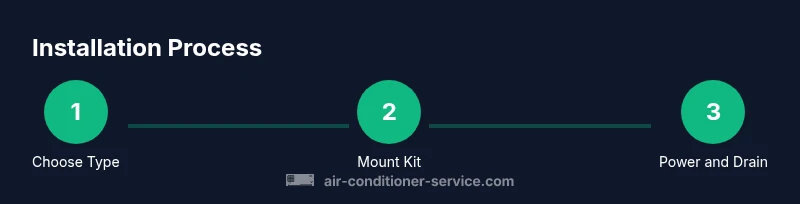
- 1
Determine unit type and location
Assess room size, window or wall constraints, and whether a window unit, wall sleeve, or split system suits the space. Confirm permission if renting. This step sets the groundwork for safe, effective cooling.
Tip: Get a second person to help with measurements and decisions. - 2
Gather tools and confirm kit compatibility
Collect all tools and the mounting kit that matches your unit model. Read the installation manual before drilling or wiring. This avoids mid-project surprises and reduces risk.
Tip: Have a flashlight and extra batteries handy for dim work areas. - 3
Shut off power and test outlets
Switch off the circuit feeding the installation area. Use a voltage tester to confirm no power is present before handling wiring. This protects you from electric shock.
Tip: Mark the breaker in your panel for future reference. - 4
Install mounting bracket or sleeve
Secure the bracket or sleeve to the structure, ensuring it is level and firmly anchored. Use the studs or masonry anchors as required and seal to prevent drafts.
Tip: Double-check level with the unit in place before final tightening. - 5
Position the unit and secure the chassis
Slide the inner and outer sections into place and fasten the unit to the mounting hardware. Leave a small tilt for drainage away from the interior.
Tip: Have a helper guide the unit to avoid bending fins. - 6
Run wiring and provide a dedicated circuit
Connect power according to the manufacturer guidance, using a dedicated circuit or a compliant hard-wired connection. Label cables and secure them to prevent contact with moving parts.
Tip: Do not share the outlet with other heavy loads. - 7
Seal gaps and route drainage
Seal any remaining gaps around the sleeve or window kit. Install or route the condensate drain with a downward slope to avoid leaks or backup.
Tip: Test drainage by pouring water near the drain to confirm flow. - 8
Power on, test and adjust
Plug in the unit, turn it on, and verify cooling, airflow, and temperature difference. Listen for unusual noises and check for vibrations; tighten fasteners as needed.
Tip: Take note of any changes needed to improve efficiency.
Common Questions
Can I install an air conditioner myself?
Window units are often manageable for homeowners, but split systems typically require a licensed professional.
Window units can usually be installed by homeowners, but split systems typically require a professional.
Do I need permits for installation?
Permit requirements vary by location. Check with the local building department before modifying walls or electrical systems.
Permits depend on local codes; contact your building department to be sure.
What size unit do I need for a room?
Follow the manufacturer's BTU guidelines based on room size, insulation, and climate. When in doubt, consult a professional for sizing.
BTU needs depend on room size and insulation; consult guidelines or a pro.
Is it okay to install in a rental property?
Yes, with landlord approval and preferably non-permanent mounting methods that do not alter the building structure.
Yes, but get permission and use non-permanent mounting where possible.
What are common installation mistakes to avoid?
Incorrect sizing, poor sealing, no drainage slope, and unsafe electrical connections are typical pitfalls.
Sizing and sealing mistakes lead to energy waste and poor performance.
What maintenance should follow installation?
Regular filter cleaning, coil checks, and seasonal testing help maintain efficiency and comfort.
Keep filters clean and check the drainage path regularly.
Watch Video
The Essentials
- Choose the right unit for space and insulation.
- Use a dedicated circuit and ensure proper drainage.
- Seal all gaps to maximize efficiency and prevent moisture.
- Test thoroughly and maintain the system regularly.