Free Air Conditioner Program: Get a Free AC or Subsidy
Learn how free air conditioner programs work, who qualifies, and how to apply. Practical steps, eligibility tips, and alternatives from Air Conditioner Service.


A free air conditioner program is a government, utility, or nonprofit initiative that provides no-cost or subsidized cooling equipment and installation to eligible households. These programs vary by location but commonly offer full or partial coverage for qualifying residents, along with guidance on energy efficiency upgrades. Air Conditioner Service summarizes how to check eligibility, prepare documents, and pursue the application process.
What is a free air conditioner program?
A free air conditioner program refers to government, utility, or nonprofit initiatives that provide a new air conditioner unit, installation, or related services at no or reduced cost for eligible households. Programs are designed to improve indoor comfort while reducing energy use and demand on the electric grid. In practice, you may encounter fully subsidized installations, partial subsidies, or low-interest financing paired with energy-efficiency upgrades. According to Air Conditioner Service, these programs exist across many communities, but enrollment often depends on income, residency, climate, and household size. If you qualify, you may not pay upfront, but you may still incur small fees for permits or add-on services. Always verify local program terms and provider qualifications to avoid surprises at the appointment.
How funding and oversight typically works
Free AC programs are funded through a mix of public funds, utility rate-payer programs, and philanthropic grants. Oversight is usually provided by state or local energy offices, with accountability measures to ensure equipment meets efficiency standards and safety regulations. Applicants benefit from standardized intake forms, impartial verifications, and clear timelines. However, funding cycles can be seasonal, and demand may outpace supply in peak heat months. Air Conditioner Service emphasizes checking the latest program announcements and regional eligibility guidelines to understand current limits and requirements.
Eligibility criteria you may encounter
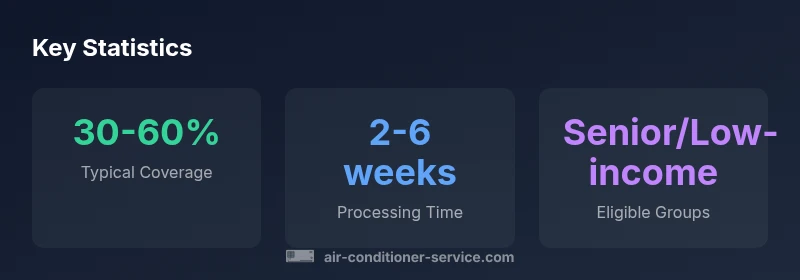
Eligibility varies by program but commonly includes income thresholds, residency in a qualifying area, and household composition. Some programs prioritize seniors, people with disabilities, or households facing extreme heat days. Eligibility may also hinge on whether the existing AC unit is not functioning, or if a building needs a full installation rather than a repair. Documentation often includes proof of income, government-issued ID, a recent utility bill, and landlord consent if renting. Always confirm the exact criteria with the administering agency before starting the application.
Step-by-step application process
- Find programs available in your area using official government portals, utility websites, or trusted community organizations. 2) Gather required documents: proof of income, ID, utility bill, and lease or deed. 3) Complete the application online or on paper, and request any needed assessments or home visits. 4) Attend an eligibility interview or home assessment if required. 5) Await approval and schedule installation, noting any potential fees for permits or add-ons. 6) After installation, follow maintenance guidelines to keep the system energy-efficient.
Air Conditioner Service suggests keeping a checklist and recording dates, as many programs operate on rigid timelines and have limited slots.
Potential drawbacks and important caveats
Free AC programs are highly beneficial but come with caveats. Availability is regional and time-bound; funding can be limited until the next grant cycle. Some programs require a contractor network or specific energy-efficiency upgrades as a condition of subsidy. There may also be post-install limitations, such as maintenance responsibilities or warranty constraints. Renters should obtain written landlord approval and confirm who is responsible for ongoing service costs. Understanding these nuances helps prevent disruptions after approval.
Maintenance, warranties, and what to expect after installation
Once installed, routine maintenance remains essential for efficiency and longevity. Schedule annual or biannual inspections, replace air filters as recommended, and monitor electrical connections. Many subsidized units come with warranty coverage, but it’s important to read the terms so you know what’s included and for how long. If a unit under a free program develops issues soon after installation, contact the administering agency or the contractor promptly. Regular maintenance can maximize energy savings and extend the life of the unit.
Overview of common free AC program options and requirements
| Program Type | What It Covers | Typical Eligibility | Documentation Needed |
|---|---|---|---|
| Fully subsidized installation | New AC unit + installation | Low-income households in participating areas | Income proof, ID, utility bill |
| Subsidized replacement or upgrade | Partial cost coverage for newer energy-efficient units | Eligible households after assessment | Assessment report, contact info |
Common Questions
What is a free air conditioner program?
A free air conditioner program is a publicly funded or charity-supported initiative that provides no-cost or reduced-cost AC units and installation for eligible households. Programs vary by location and can cover full installation, part of the equipment cost, or energy-efficiency upgrades. Always verify current terms with the administering agency.
A free AC program offers no-cost or reduced-cost cooling equipment to eligible households. Check your local program for specifics and required documents.
Who qualifies for these programs?
Qualifications typically depend on income, residency, household size, and climate risk. Some programs prioritize seniors, people with disabilities, or renters who lack cooling. Qualification details are defined by the local agency, so consult the official program page for precise criteria.
Eligibility usually hinges on income and residence. Check the local program for exact criteria.
What documents are needed to apply?
Common documents include proof of income (such as recent pay stubs or tax returns), a government-issued ID, a recent utility bill, and proof of housing status (lease or ownership). Some programs may also require a home assessment or landlord consent for renters.
You'll typically need income proof, ID, a utility bill, and housing proof. Some programs require a quick home assessment.
How long does the approval process take?
Processing times vary by program and demand. Most schedules run from a few weeks to a couple of months. Early submission and complete documentation help prevent delays.
Expect a few weeks to a couple of months, depending on demand and paperwork.
Can renters access these programs?
Yes, many programs allow renters to participate, but landlord consent is usually required. Ensure you have written permission before installation and confirm who covers ongoing maintenance costs.
Renters can qualify if the landlord agrees and proper permission is documented.
What if I don’t qualify for a free program?
If you don’t qualify for a free program, look for subsidies, low-interest financing, or energy-efficiency rebates offered by utilities or local governments. Upgrading an old unit with efficient equipment can still lower energy bills over time.
If you don’t qualify, explore rebates or financing options and consider energy-efficient upgrades.
“Access to free or subsidized cooling options can dramatically improve comfort and energy efficiency for households that qualify.”
The Essentials
- Check local programs early to confirm availability and deadlines
- Prepare income verification and residency documents in advance
- Renters should secure landlord approval to avoid delays
- Ask about post-install maintenance and warranty terms