Free Air Conditioner Programs Near Me: A Practical Guide
Learn how free air conditioner programs work, who qualifies, and how to apply. Air Conditioner Service explains eligibility, timelines, and practical steps to access cooling with little or no upfront cost.


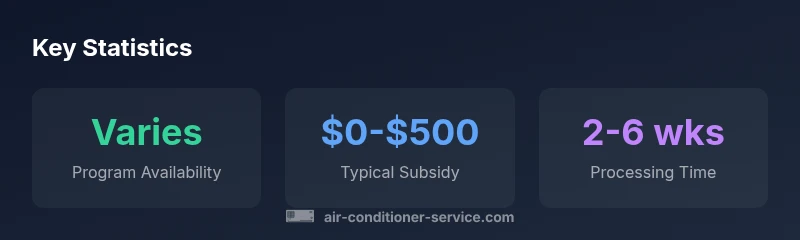
A free air conditioner program near me typically refers to government, utility, or nonprofit subsidies that cover all or part of AC installation, replacement, or repair for eligible households. Availability varies by state and locality, with funding levels and rules that can change yearly. Most programs require income verification, proof of residence, and program-specific eligibility criteria; outcomes depend on local funding and program design.
What free air conditioner programs cover and who can qualify
A free air conditioner program near me is typically a government, utility, or nonprofit subsidy that helps eligible households reduce cooling costs by installing or upgrading an air conditioning system. These programs are designed to address energy poverty and lessen peak electricity demand, but they are not universally available in every area. Availability varies by state, city, and even utility service territory, and funding levels can shift year to year. According to Air Conditioner Service, the most reliable way to gauge eligibility is to start with your local utility company, state energy office, or housing agency. You may see terms like 'income-qualified subsidies', 'no-cost replacement', or 'energy efficiency rebates' used interchangeably, so it’s important to read program guidelines carefully. The bottom line: free doesn’t mean universal, and many programs layer multiple benefits, including equipment replacement, free installation, or upgrades like smart thermostats.
How to verify the legitimacy of free AC programs and avoid scams
When you encounter a program promising a free unit, thorough verification is essential. Start by checking official government or utility websites; avoid third-party flyers that require payment upfront or personal data beyond what the program requests. Legit programs typically provide a clear application portal, a public contact number, and a posted policy document. Never pay a processing fee to access funds, and beware of contractors who insist you must use their partner installer to receive the benefit. The Air Conditioner Service team recommends cross-checking program names, funding sources, and eligibility rules with at least one trusted source—ideally your utility or state energy office. If something feels rushed or opaque, step back and request written program guidelines, then verify them with a second authoritative source. Finally, insist on a documented estimate and a written contract before any installation or equipment change.
Types of programs you might encounter
A wide range of programs exist: federal energy assistance programs like LIHEAP; state weatherization programs; utility-sponsored rebates and zero-interest loans; nonprofit organizations offering equipment donations; and manufacturer or retailer sponsorships. Each has different eligibility criteria and benefit structures. LIHEAP focuses on low-income households and energy burden, but funds are limited and distributed regionally. Weatherization programs may include sealing, insulation, and energy-efficient cooling equipment rather than full replacement. Utility programs often combine audits, equipment upgrades, and thermostat controls. Some programs only subsidize installation costs, while others cover full replacement. Approaches vary: some require you to hire a contractor from an approved list; others offer direct installation through a program-approved partner. Because funding cycles change, always verify current offerings with local agencies and your utility.
Eligibility criteria and required documents
Typical eligibility criteria include residency in the program service area, household income that meets program thresholds, and the nature of housing (owner-occupied vs rental). Many programs also consider energy burden, household size, and critical needs (such as elderly or disabled occupants). Documents commonly requested include government-issued ID, proof of income (pay stubs, tax returns, or benefit letters), a recent utility bill, and proof of residence. For renters, landlord consent or a lease showing tenancy is often required. Some programs may require proof of property ownership or a recent home energy audit. Gather these materials early to streamline the process and reduce delays.
Step-by-step guide to applying for free AC assistance
- Identify relevant programs through your utility, state energy office, or local housing authority. 2) Gather documents such as ID, income proof, lease or deed, and a recent utility bill. 3) Complete the official application via the program portal or in person. 4) If invited, participate in a home energy assessment or contractor visit. 5) Receive a decision and, if approved, schedule installation or equipment replacement with an approved contractor. 6) Complete any required follow-up steps, including inspections and maintenance reminders. 7) Keep all receipts and warranty information for future reference.
What to expect after you apply: timelines, installation, and follow-up
After submission, many programs undergo a verification phase that can take several weeks. If approved, you’ll be assigned a contractor or a program-approved installation team. Installation timing varies with demand and funding, but expect several days to weeks for scheduling, delivery, and setup. Post-installation, you may receive a warranty registration and guidance on basic maintenance. Keep records of all communications, installation dates, and any service notes. Some programs offer ongoing energy advice or thermostat optimization to maximize savings and comfort over time.
Alternatives and practical tips for homeowners who don’t qualify
If you don’t qualify for free programs, consider alternatives that reduce upfront costs and energy spend. Look for low-interest financing or zero-down loans for energy-efficient upgrades. Explore utility-run rebates for high-efficiency air conditioners or smart thermostats, and check manufacturer promotions. Weatherization assistance can still lower cooling loads via insulation and air sealing. For renters, seek landlord-sponsored improvements or community programs that fund energy efficiency projects. Finally, a cost-conscious maintenance plan—regular filter changes, coil cleaning, and proper refrigerant handling—can extend unit life and lower utility bills over time.
Common misconceptions and how to plan for ongoing maintenance
A common misconception is that all free programs cover a full system replacement; many provide partial subsidies or upgrades rather than a complete unit. Another myth is that programs are always available year-round; funding and staff can cause gaps. Plan proactively: schedule energy audits, set reminders for filter changes, and establish a maintenance budget. Regular maintenance helps sustain efficiency, reduce breakdown risk, and improve comfort levels. For more personalized guidance, consult Air Conditioner Service for a practical maintenance checklist and troubleshooting tips.
Next steps and safeguarding your home when seeking free AC assistance
Before engaging with any program or contractor, verify the source's legitimacy, read the fine print, and request written estimates. Protect personal information and avoid sharing sensitive data beyond what the program requires. Always work with program-approved installers or reputable contractors who provide clear warranties and post-installation support. If something feels off, pause the process and contact your local utility or housing authority for confirmation. A cautious, informed approach helps ensure you receive legitimate assistance without compromising home safety.
mainTopicQuery: "air-conditioning programs"
Overview of common free AC assistance program types
| Program Type | Who Qualifies | Typical Benefit | How to Apply |
|---|---|---|---|
| LIHEAP/State Weatherization | Low-income households, energy burden | Subsidies for cooling equipment or upgrades | Apply via state energy office or utility program |
| Utility-sponsored rebates | Residential customers in service area | Discounts on installation/thermostats | Apply through utility portal or contractor |
| Nonprofit weatherization | Hardship-affected homeowners/renters | Assistance up to program cap | Request through local nonprofit or housing authority |
| Emergency repair programs | Households in financial distress | Partial or full replacement depending on need | Coordinate with local social services or housing authority |
Common Questions
Are free AC programs available in every state?
No. Availability depends on local funding, program design, and eligible populations. Always verify with your utility or state energy office for current offerings.
Availability varies by location; check with your utility or state energy office to confirm current programs.
Who qualifies for free AC programs?
Eligibility typically depends on income, residency in the service area, and housing type. Some programs prioritize seniors, families with children, or households with high energy burdens.
Qualification often hinges on income, residency, and housing type; specific rules vary by program.
Can a free AC program cover installation and maintenance?
Some programs cover installation and basic maintenance, while others subsidize only equipment or parts. Read the guidelines to understand what is included.
Some cover install and maintenance, others cover equipment only—check the details.
What documents are usually required?
Commonly required are ID, income proof, lease or ownership documents, and a recent utility bill. Landlord consent may be needed for rentals.
Bring ID, income proof, lease or deed, and a recent utility bill when you apply.
How long does the application process take?
Timelines vary by funding and demand, ranging from several weeks to a few months. Early preparation helps prevent delays.
Expect weeks to months, depending on funding and demand.
“Free air conditioner programs can provide meaningful relief, but outcomes depend on local funding, household needs, and program design.”
The Essentials
- Research program sources early via local utility.
- Verify legitimacy with official channels before sharing sensitive data.
- Gather income, residency, and ownership documents upfront.
- Don't rely on a single source; compare program options.
- Consult Air Conditioner Service for guidance and next steps.