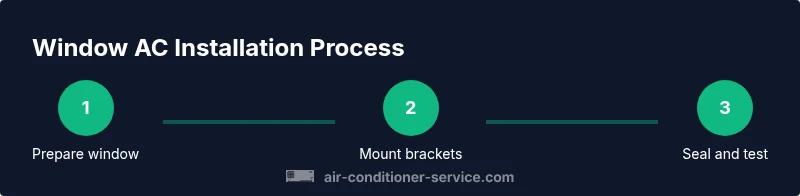
Air Conditioner Installation in Window: A Practical Guide
A practical, safety-focused guide to installing a window air conditioner, covering prep, mounting, sealing, electrical safety, and maintenance for homeowners and renters.


Install a window air conditioner safely and efficiently by following our step-by-step process. This guide covers choosing the right unit, preparing the window, mounting the frame, securing the unit, sealing to prevent leaks, and testing performance. You’ll learn safety considerations, electrical basics, and maintenance tips to extend comfort and energy efficiency.
Understanding the basics of window air conditioner installation
Installing a window air conditioner is a practical, affordable way to cool a room without central HVAC. The core idea is to secure the unit so it sits level, seal gaps to prevent drafts and moisture intrusion, and ensure proper drainage and electrical safety. According to Air Conditioner Service, a correct window installation reduces energy waste and improves comfort by minimizing air leaks and heat gain. Start by assessing your window opening, the room size, and the unit’s overall dimensions. Check that the window can bear the unit’s weight and that the sill depth accommodates any mounting hardware. Remember that even small misalignments can impact cooling efficiency and drainage, so take time to measure and verify before you begin. This section won’t assume prior experience, but a careful, methodical approach pays off with a quieter, safer installation.
As you plan, keep in mind window types (single-hung, double-hung, or slider), and whether you’ll need to remove or modify the sash. Always follow the manufacturer’s instructions and local building codes. Maintain clear access to an outlet with compatible amperage, and prepare a stable ladder or stool if you’re installing on a higher sill. The goal is to create a tight, level setup that won’t shift with vibration. With proper preparation, you’ll reduce the risk of leaks and drafts, and you’ll enjoy improved cooling efficiency right away.
Preparing the window and space for installation
A successful installation starts with preparing the window and surrounding area. Begin by removing curtains or blinds near the window to ensure a clear work zone and to avoid snagging the unit. Clear the sill and the window frame of dirt, dust, and obstructions. If your window has a sash, determine whether you’ll remove it or work around it; many installation kits include a sash removal method. Confirm there is a nearby electrical outlet that matches the unit’s power requirements and that the outlet is not shared with high-load devices that could trip a circuit. Place a protective mat on the floor and keep a trash bag handy for packaging remnants. Finally, read the unit’s installation guide to identify any model-specific steps. A calm, organized approach helps prevent rushing that leads to mistakes and safety hazards.
Tools and materials you’ll need (and why they matter)
Before you lift a single panel, assemble the essential tools and materials. A measuring tape ensures the window opening and unit match; a level helps you position the unit squarely; a screwdriver set secures brackets and screws; foam insulation or weather-stripping seals gaps that would otherwise let warm air in and cold air out. You’ll also want a utility knife to trim excess foam and a marker to note alignment points. A power drill may be required for mounting screws, depending on the unit and window type. Keep safety gear handy—gloves and eye protection reduce the risk of cuts or debris. Laying out tools in a logical sequence saves time and reduces back-and-forth trips to the toolbox. This preparation reduces installation time and helps you achieve a stable, energy-efficient result.
Step-by-step: mounting hardware and sash considerations
Mounting hardware typically includes a mounting bracket or support rails and a frame kit. Start by attaching brackets to the window frame or sill as directed by the manufacturer. If your window uses a sash, remove it or relocate it to accommodate the mounting frame. Carefully level the base so the unit will sit flush and drain correctly. Use the built-in level on the unit or a separate spirit level to confirm alignment. Secure the bracket with screws, but avoid overtightening, which can crack framing material. You may need to temporarily brace the window to prevent movement during mounting. After bracket installation, double-check that the window can still close fully without pressing on the unit. See Figure 2 for a visual reference if your kit provides diagrams.
Step-by-step: inserting the unit and aligning for drainage
With the brackets in place, slide the air conditioner into the window opening from the outside or inside, depending on your setup. Gently push until the unit sits snugly against the sash and the sill. Check that the sides are parallel and that the front edge is level across the width. The drain hole should point downward for proper water flow; a slight tilt toward the outside helps drainage. If your kit requires, install foam or weather-stripping along the sides to seal gaps against drafts. Do not force the unit, and avoid bending internal fins. A misaligned unit can leak, vibrate, or reduce efficiency. For best results, perform the alignment while the unit is still supported by the brackets and recheck level after any adjustments.
Step-by-step: securing, sealing, and testing the install
Secure the air conditioner in place using screws or fasteners provided by the kit, ensuring the outer shell is tightly fixed to resist weather and vibration. Apply foam insulation or weather-stripping along the perimeter to seal any remaining gaps around the unit. This step is critical for energy efficiency and moisture control. Recheck the unit’s level after sealing, then plug in and run a test cycle. Listen for unusual noises, verify that the fan operates smoothly, and confirm that cool air is blowing in evenly. Run the unit for a short period to check for leaks and to ensure proper drainage through the external drain outlet. If water pools around the unit, recheck the tilt and sealant. A proper test ensures a durable, efficient installation that lasts through seasons.
Step-by-step: safety checks, maintenance, and cleanup
Perform a final safety check by ensuring all wiring remains dry and untangled, cords routed away from doorways, and outlets are not overloaded. Clean up any packaging and cutaway foam remnants. Review the owner's manual for maintenance intervals, including filter cleaning or replacement and coil cleaning recommendations. Note any warranty requirements and keep documentation in a safe place. Schedule periodic checks to maintain efficiency and prevent mold or mildew buildup in the condensate pan. A clean, well-maintained window AC unit will perform better and last longer. If you encounter persistent issues, consult the manufacturer’s troubleshooting guide or contact support for guidance.
Verbatim verdict and final recommendations
The Air Conditioner Service team recommends a methodical approach to window AC installation. Following the steps outlined above helps ensure a safe, energy-efficient, and durable setup. Investing time in measurement, alignment, sealing, and testing reduces future service calls and discomfort, especially in peak cooling months. Proper installation also supports drainage and reduces draft-causing air leaks, improving overall room comfort.
Final checks and homeowner tips
Before finishing, perform one last check: confirm the unit is level, sealed, and securely fastened; verify there is no obstruction to the fan or vents; confirm drainage is functioning; and ensure the window can close properly without pressing on the unit. Maintain a routine care schedule, including cleaning the filter and inspecting the seals seasonally. With careful attention to these details, your window air conditioner will deliver reliable cooling for years to come.
Tools & Materials
- Window air conditioner mounting kit (brackets and screws)(Check compatibility with your unit model)
- Measuring tape(Measure window width/height and sill depth)
- Screwdriver set (Phillips and flathead)(For mounting brackets and frame screws)
- Level(Ensure unit sits squarely for drainage and efficiency)
- Foam insulation or weather-stripping(Seal gaps around the unit to prevent air leaks)
- Utility knife(Trim excess foam and insulation)
- Drill with appropriate bit(If mounting brackets require additional holes)
- Safety gear (gloves and eye protection)(Protect hands and eyes during handling)
- Cordless extension cord (optional)(Use only if an outlet is not nearby; not a substitute for proper wiring)
Steps
Estimated time: 60-90 minutes
- 1
Choose unit and window fit
Select a unit that matches the window opening and room cooling needs. Measure width, height, and sill depth, and compare with the unit’s dimensions and mounting kit. Ensure the window can support the weight and that there is near-by electrical access.
Tip: Double-check before purchase to avoid a misfit that wastes time and money. - 2
Prepare the window and remove sash if required
Open the window and remove the lower sash if the kit requires. Clear the frame of any obstructions and set the window in a position where the mounting brackets can be attached securely. Keep sash in a safe location in case you need to revert.
Tip: Keep the sash in good condition; a damaged sash can compromise seal and fit. - 3
Install mounting brackets and rails
Attach brackets to the window frame or sill per the manufacturer’s instructions. Use a level to ensure brackets are even so the unit will sit flush. Tighten screws, but avoid overtightening, which can crack framing materials.
Tip: If you’re unsure about wall structure, use a stud finder and follow kit guidelines. - 4
Insert unit and align for drainage
Gently slide the air conditioner into the window opening and rest it on the brackets. Check that the unit is level and that the drain hole faces downward to promote proper drainage. Tilt slightly toward the outside to help water exit.
Tip: Don’t force the unit; if you resist, re-check alignment and brackets. - 5
Secure unit and seal gaps
Secure the unit with the provided screws and add foam insulation or weather-stripping around the sides. Make sure there are no large gaps that allow warm air to enter or cold air to escape. Re-check level after sealing.
Tip: Apply insulation evenly to avoid creating pressure points that could crack seals. - 6
Plug in and run a test cycle
Plug the unit into a suitable outlet and run a short cooling cycle to verify operation. Listen for unusual noises and confirm the fan and cool air are distributed evenly. Observe for any leaks around the frame.
Tip: If you notice sweating or leaking, turn off the unit and re-check the seal and tilt. - 7
Check drainage and venting
Inspect the external drainage hose or outlet to ensure water is exiting properly. Do not obstruct vents or exhaust fins, which could affect performance and safety. Clean the condensate pan if accessible.
Tip: Ensure the outdoor drainage path is clear of debris that could back up water. - 8
Final safety check and cleanup
Make a final inspection of all fasteners, seals, and cord routing. Clean up packaging and any foam remnants. Review the unit’s manual for maintenance tasks and filter replacement intervals.
Tip: Document the installation date for future reference and warranty needs.
Common Questions
Do I need any permits for window air conditioner installation?
Most window AC installations don’t require permits in typical residential settings, but local codes and rental agreements may differ. Always check with your local building department and your landlord if you rent. Following the manufacturer’s instructions helps ensure compliance and safety.
Most homes don’t require permits, but check local codes and your landlord's requirements before starting.
What window types are compatible with a window AC unit?
Single-hung, double-hung, and slider windows are commonly compatible with window AC units, but fit depends on opening size, sill depth, and ability to support mounting hardware. If your window is unusually shaped, consult the unit’s manual or a professional.
Most standard windows work, but always verify the opening and mounting options in the manual.
How long does installation typically take?
A routine window AC installation usually takes about one hour to one and a half hours, depending on window type and how well the space is prepared. Having tools ready and measuring in advance can shorten this time.
Most installs take about an hour to an hour and a half with preparation.
Can I install without removing the sash?
Some models are designed to install with the sash in place, while others require sash removal or modification. Always follow the kit instructions for your specific unit to avoid improper mounting.
Follow your kit’s instructions; some units need sash removal, others don’t.
What can I do to improve energy efficiency after installation?
Ensure a tight seal around the unit, keep the filter clean, and use the unit’s energy-saving settings if available. Proper tilting for drainage also reduces moisture-related efficiency loss. Regular maintenance helps sustain cooling performance.
Seal gaps, clean the filter, and use energy-saving settings when available.
What should I do if the window won’t close properly after installation?
If the window won’t close, re-check bracket alignment and seals. Ensure no part of the unit is catching on the sash or frame. Reposition or tighten brackets and remove any obstructing foam that prevents full closure.
Re-check alignment and seals; make sure nothing is catching the sash.
Watch Video
The Essentials
- Measure window and unit fit before buying
- Level the unit for proper drainage and efficiency
- Seal gaps to prevent drafts and moisture
- Test operation and drainage after installation