24000 BTU Air Conditioner: Sizing, Efficiency, and Install Tips
Data-driven guide to 24000 BTU air conditioners—sizing, efficiency, installation, maintenance, and cost considerations for homeowners and renters.


Why Size Matters: The 24000 btu air conditioner Benchmark
The 24000 btu air conditioner is a high-capacity unit meant for larger spaces, and sizing it correctly is essential for comfort and efficiency. According to Air Conditioner Service, mis-sizing can cause short cycling, uneven cooling, and higher energy bills. In practice, 24000 btu units are most effective in homes with open floor plans, substantial sun exposure, or rooms that exceed standard ceiling heights. When you size by rule-of-thumb, you risk oversizing in some areas and under-sizing in others, leading to fans running at full blast more often than necessary. A proper load calculation takes into account room area, ceiling height, insulation quality, number and size of windows, occupancy, and local climate. You’ll likely see better humidity control, faster cooling, and steadier temperatures when the system matches the space, especially during peak heat. The takeaway? Start with a solid load assessment and then compare models with appropriate efficiency ratings.
Sizing Foundations: How to Calculate Needs
Sizing a 24000 btu air conditioner begins with understanding the space and how it behaves in your climate. Use a formal load calculation (Manual J) or a trusted sizing guideline rather than relying solely on square footage. Start by measuring the room or zone area, then adjust for ceiling height (higher ceilings require more capacity), insulation quality, window area and shading, occupancy patterns, and sun exposure. Note that garages, kitchens with heavy heat-generating appliances, or multiple adjoining rooms can shift needs. Air Conditioner Service recommends documenting all these factors and running a comparative assessment of different models. A correctly sized unit will run fewer cycles, maintain steadier temperatures, and reduce humidity swings.
Choosing the Right 24k BTU Model: Features That Matter
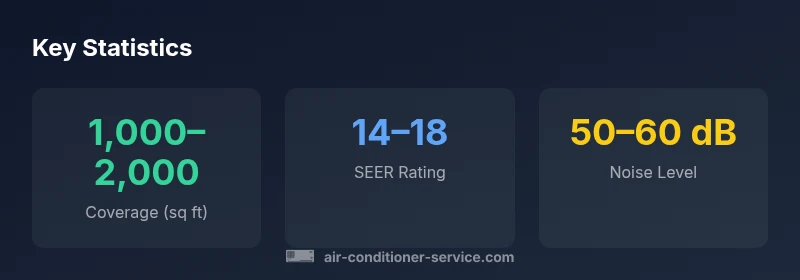
Not all 24k BTU models are created equal. Look for high-efficiency SEER ratings (14–18 is a common range for residential units) and inverter-driven compressors for smoother operation and better part-load performance. Split-system configurations are common for 24k BTU, but window and some portable units exist, each with tradeoffs in ducting, installation, and noise. Pay attention to the AHRI rating, noise at low/high speeds, and whether the model supports smart thermostats. Refrigerant type and warranty terms matter too—avoid units with opaque warranties or unclear service requirements. For climate zones with very hot summers, prioritizing a unit with good dehumidification can improve comfort even at the same cooling capacity.
Energy Efficiency and Costs: What to Expect
Energy efficiency directly influences operating costs over the life of a 24k BTU unit. A higher SEER typically translates to lower monthly energy use, especially during high-load days. However, actual costs depend on climate, insulation, usage patterns, and maintenance. A well-maintained 24k BTU solution with a solid SEER rating should deliver improved comfort with less frequent cycling and better humidity control. Air Conditioner Service notes that efficiency gains compound when paired with proper installation, air sealing, and filter management. Consider how often you’ll run the system, and plan for potential seasonal adjustments that keep energy use predictable without sacrificing comfort.
Installation and Maintenance Best Practices
Professional installation ensures correct refrigerant charge, airflow, and venting, which are essential for a 24k BTU system to perform as designed. Ask technicians to verify ductwork (if applicable), coil cleanliness, and proper thermostat calibration. Regular maintenance—filters every 1–3 months, coil cleaning, and annual professional checkups—helps sustain efficiency and extend lifespan. Documentation of service visits can support warranty coverage. Air Conditioner Service emphasizes keeping a maintenance log to track performance metrics such as runtime, cooling delivered, and any unusual noises, which can help identify early issues before they cause bigger problems.
Window, Split, and Portable Options: Fitment for 24k BTU
A 24k BTU rating is commonly found in split-system configurations, which separate the indoor and outdoor units for efficiency and noise control. Window units at this capacity are less common but exist for specific space constraints; portable options are typically used for temporary cooling or small rentals but may not deliver even distribution in large rooms. When choosing among options, consider ease of installation, space for outdoor unit placement, and potential heat rejection limits. Split systems generally offer better long-term performance and serviceability in residential settings, especially where consistent climate control is needed across multiple zones.
Noise, Comfort, and Air Distribution: Practical Tips
Noise levels at roughly 50–60 dB are common for 24k BTU systems at mid to high speeds, which is acceptable for most living areas but still worth evaluating if you plan to place the outdoor unit near bedrooms. For best air distribution, ensure unobstructed airflow paths, seal ducts or plenums where applicable, and use zoning or variable-speed operation to modulate air without excessive fan noise. Ceiling heights, room geometry, and previous HVAC layout all influence comfort. Simple steps like closing blinds on sunlit windows and adding ceiling fans can reduce cooling loads and improve perceived comfort without increasing energy use.
Real-World Scenarios and Load Factors
Consider two common scenarios: (1) A sun-exposed, two-story living area with high ceilings and open floor plan; a 24k BTU split-system with good humidity control can maintain comfort more consistently than multiple smaller units. (2) A single-story home with insulated walls and moderate sun exposure; a properly sized 24k BTU unit can deliver even cooling, especially if a zoning strategy is used to avoid cooling unoccupied spaces. In both cases, accurate load calculations, smart thermostat control, and professional installation reduce the risk of over- or under-sizing and improve long-term energy efficiency.
Quick Start: Your 24k BTU Readiness Checklist
- Confirm room sizes and insulation levels align with a 24k BTU capacity.
- Obtain a formal load calculation or a trusted sizing guideline.
- Compare SEER ratings (aim for 14–18) and inverter options.
- Plan for a split-system installation if possible; window/portable options may have trade-offs.
- Schedule professional installation and set up a maintenance calendar.