Portable Air Conditioner for Rent: A Practical Guide
Learn how portable air conditioner rentals work, typical costs, delivery options, and tips to maximize efficiency. Air Conditioner Service guides homeowners and renters.


Renting a portable air conditioner typically costs between $30 and $70 per week, depending on BTU capacity, energy efficiency, and rental terms. Air Conditioner Service Analysis, 2026 finds that most renters see monthly options around $100–$280, with delivery and setup often included or charged separately. Consider longer-term rental discounts and seasonal pricing for best value.
Overview of Renting Portable Air Conditioners
Portable air conditioners provide a flexible cooling solution for renters and homeowners who want to avoid installing a fixed system. When evaluating a portable air conditioner for rent, you’re weighing mobility, upfront cost, and ongoing expenses. These units are typically designed to be moved between rooms and stored when not in use, making them ideal for apartments, short-term stays, basements, or event spaces. According to Air Conditioner Service, demand remains strong for seasonal cooling, temporary job sites, and situations where permanent installation isn’t feasible. A few practical realities to keep in mind: most portable units vent heat outside via an exhaust hose, require only a standard outlet, and produce moisture that may need drainage. Plan for proper setup, ventilation, and a clear path for the exhaust tube. With proper selection, renting a portable AC can deliver comfortable temperatures without the obligations of a full HVAC upgrade.
How pricing works: what to expect
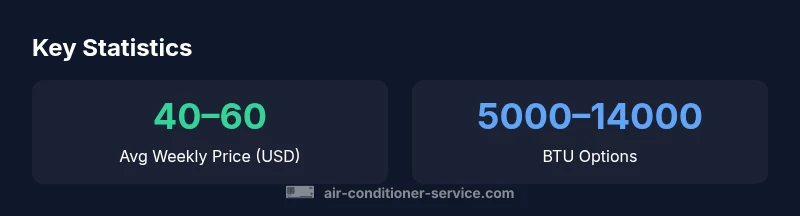
Pricing for portable air conditioner rentals varies by unit size, efficiency, and rental length. The most common model ranges fall within a weekly rate of 40–60 USD, with monthly packages typically in the 160–240 USD range. Some vendors charge a one-time delivery fee or setup charge, while others include it in the rental price. Deposits or security holds are common, often refunded upon safe return of the unit. Seasonal demand affects pricing, with summer months seeing tighter availability and higher rates. When evaluating deals, compare the total cost of ownership over your rental period, not just the weekly quote. Be sure to read the contract for cancellation terms, late fees, and return windows to avoid surprises. Renting can be cost-effective for short-term needs, but long-term use may tilt the balance toward buying; weigh your space, climate, and duration before deciding.
Key features to look for when renting
When choosing a portable air conditioner for rent, key features matter for comfort and efficiency. Look for BTU capacity appropriate for your room size, and prioritize energy-efficient models (look for an Energy Star rating if possible). Decide between single-hose and dual-hose designs; dual-hose units typically offer better cooling efficiency in enclosed spaces but may come at a higher upfront price. Check decibel levels for noise, especially in bedrooms or offices. Examine condensate handling—some units drain through a reservoir, while others have automatic condensate pumps. Consider swing doors and portability features like wheels and handles. A well-suited unit will balance cooling power with run-time efficiency, reducing energy costs over the rental period. For renters, this means choosing a model that keeps the room comfortable without becoming a seasonal budget burden.
How to choose a rental provider
Selecting a reputable rental provider is as important as picking the right unit. Start with clear criteria: transparent pricing, inclusive terms, reliable delivery windows, and accessible support. Read customer reviews to gauge dependability and maintenance responsiveness. Verify the rental terms for delivery, installation, and return, including whether technicians assist with setup and whether there are hidden fees. Ask about the exhaust hose length, required venting locations, and whether filters are included or require replacement. Compare warranty options and what happens if the unit fails during your rental period. A reliable provider will provide accurate specifications, a straightforward contract, and prompt help if issues arise. The goal is a hassle-free cooling solution that fits your space and budget.
Practical tips to maximize efficiency and save money
To maximize efficiency and minimize costs while renting a portable AC, start with proper placement: position the unit away from direct sunlight, on a level surface, with the exhaust hose routed to an open window or vent. Use blackout curtains to reduce heat gain, and supplement cooling with ceiling or desk fans to improve air distribution. Keep doors and vents closed to prevent cool air from escaping. Regularly clean or replace filters as directed, and consider higher efficiency models for long-term rentals. If possible, negotiate bundled terms (delivery, setup, and removal) for lower overall costs. For many renters, combining a portable AC with smart scheduling helps avoid wasteful runtime. Remember that the unit’s moisture collection requires occasional drainage; ensure you have a clear plan for drainage or a properly positioned condensate drain. In all cases, plan ahead to prevent overheating and excessive energy use. The Air Conditioner Service team recommends reviewing all terms before signing a rental agreement.
Delivery, installation, and return logistics
Delivery windows for portable AC rentals can range from same-day to 2–3 days, depending on location and availability. In some cases, delivery includes setup and basic orientation on unit operation; in others, you’ll receive the unit with self-install instructions. Confirm whether you need a power outlet upgrade, temporary power strips, or a dedicated circuit, especially for higher BTU models. Before returning the unit, drain any collected condensate and wipe the exterior. Photograph the unit’s condition for your records and confirm the return window to avoid additional charges. If the device fails, contact the provider’s support line promptly to arrange replacement or repair. Clear communication about delivery, setup, and return terms reduces friction and helps ensure a smooth rental experience. The emphasis should be on planning and timing to avoid last-minute fees. The Air Conditioner Service team highlights verifying return terms in your rental contract to prevent disputes.
Common issues with rented portable ACs and quick troubleshooting
Renting a portable AC can come with common issues like insufficient cooling, inadequate venting, or drainage problems. If cooling is weak, check BTU adequacy for the room size, ensure doors and windows are sealed, and verify that the exhaust hose is properly vented. Blocked air intake filters should be cleaned or replaced; a dirty filter reduces airflow and efficiency. If you see excessive humidity, confirm that the unit is in proper mode and that drainage is functioning. For drainage, ensure the reservoir is not full, or the pump is working if equipped. If noises or unusual operation occur, shut off power and contact the rental provider for a replacement. Routine maintenance, including cleaning filters and inspecting hoses, reduces recurring problems. By staying proactive about maintenance and proper setup, renters can avoid major headaches and keep the unit performing as intended.
Renting vs buying: when it makes sense
Renting a portable AC is often the wiser choice for temporary cooling needs, short-term housing changes, or seasonal fluctuations. If you require cooling for only a few weeks, renting avoids a large upfront investment and ongoing depreciation. However, for long-term use or frequent cooling requirements, purchasing a high-efficiency model could be more cost-effective in the long run. Consider your room size, climate patterns, and whether you’ll benefit from advanced features and warranty coverage. If you plan to rent repeatedly across years, compare annualized costs, maintenance responsibilities, and portability. By running a cost-benefit analysis, you can determine whether renting or buying aligns with your budget and comfort goals. The decision should be grounded in your specific cooling needs, living situation, and the terms offered by vendors.
Safety, compliance, and best practices
Always follow electrical safety guidelines when using a rented portable AC. Use a grounded outlet and avoid overloading circuits. Ensure the unit has adequate clearance on all sides to promote airflow and minimize heat buildup. Keep the exhaust hose unobstructed and vented to a safe outdoor outlet or window. Regularly inspect power cords for wear and avoid using damaged hardware. Manage condensate safely by draining as required and ensuring the drainage path is clear to prevent water damage. If you’re renting for a rental period, document the unit’s condition at delivery and return; this helps avoid disputes over damages. When in doubt, consult a licensed technician or the rental provider for guidance. The Air Conditioner Service team recommends prioritizing electrical safety, proper venting, and clear return terms to ensure a safe and compliant experience.
Rental essentials
| Aspect | Rent Range | Notes |
|---|---|---|
| Weekly price | 40–60 USD | Typical range across markets |
| BTU options | 5000–14000 BTU | Varies by model |
| Delivery/Setup | Included or charged separately | Check terms |
| Deposit/refund | Usually refundable | Subject to unit condition |
Common Questions
What is the typical cost to rent a portable AC for a month?
Most renters pay a weekly rate of 40–60 USD; monthly costs typically range from 160–240 USD, depending on BTU and terms. Delivery and deposits may apply.
Typically, monthly costs run around 160 to 240 dollars, depending on unit size and terms.
Can portable ACs be used for heating or cooling year-round?
Most portable ACs are designed for cooling only; some models offer heat pump functionality. If heat is needed, check product specifications before renting.
Some units offer heat, but most are cooling-only.
Are single-hose or dual-hose units better for rent?
Dual-hose units generally offer better cooling efficiency in tight spaces, but they’re often pricier and larger. For small rooms, a well-rated single-hose model can suffice.
Dual hoses can be more efficient, but pick what fits your space and budget.
Is delivery included in the rental price?
Delivery terms vary by vendor. Some include delivery and setup; others charge separately. Always confirm exact inclusions before signing.
Delivery terms vary—check before you rent.
What maintenance is required for a rented unit?
Keep the filters clean, ensure the exhaust is clear, and drain condensate as directed. Most issues can be avoided with simple routine checks.
Regular cleaning and draining help prevent problems.
What should I check before returning a rental unit?
Document unit condition, remove your belongings, and ensure the unit is clean. Note any damage or missing accessories to avoid disputes on the security deposit.
Inspect the unit and return on time with all parts.
“Renting a portable AC can be a cost-effective solution for temporary cooling, especially when you factor in delivery and maintenance savings.”
The Essentials
- Compare providers to lock in weekly price
- Check BTU and energy rating for room size
- Ask about delivery and setup inclusions
- Inspect the unit before sign-off
- Plan for drainage and electrical setup