Portable AC Unit Near Me: How to Find and Choose Local Portable Air Conditioners
Learn how to locate and select a portable AC unit near you. This guide covers sizing, features, buying strategies, and practical setup tips for homeowners and renters in 2026.


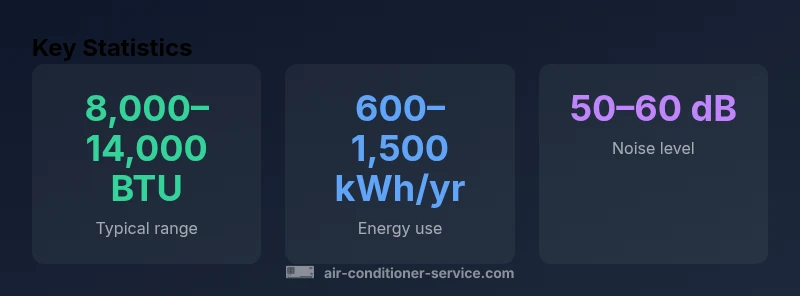
To find a portable AC unit near you, start with local retailers, home improvement stores, and trusted online marketplaces. According to Air Conditioner Service, compare 8,000–14,000 BTU models to fit most small-to-medium rooms, and prioritize energy efficiency (ENERGY STAR). Consider dual-hose designs for higher cooling efficiency in hot climates. Check delivery, pickup, and warranty options to buy quickly and safely.
How portable AC units work and what 'near me' implies
Portable air conditioners are self-contained cooling systems that move heat from inside your space to the outside via an exhaust hose. The basic idea is simple: a compressor, a condenser, an evaporator, and a fan cycle refrigerant to absorb heat. The practical difference for buyers nearby is where you source the unit and how quickly you can get it set up. When you search for a portable ac unit near me, you balance local stock, warranty support, and the ability to access parts or service quickly. There are two common designs: single-hose and dual-hose. A single-hose unit pulls air from your room to cool the condenser, which can marginally increase the room’s humidity. A dual-hose model uses one hose to exhaust warm air and another to draw in fresh air, improving efficiency in hotter spaces. If you’re in a hot climate or a crowded home, near-me availability matters because it keeps you in control of delivery and returns.
How to size a portable AC for a room
Start with the room size in square feet, height, and climate. General guidance assigns about 8,000 BTU for small rooms under 250 sq ft, 10,000–12,000 BTU for 250–450 sq ft, and 12,000–14,000 BTU for larger spaces up to 600 sq ft. If your ceiling is tall or you have persistent sun exposure, size up by a step. Once you have a target BTU range, pick models within that range that include energy-saving features such as an Energy Star label and a variable-speed compressor. Remember that portable units have a finite exhaust capacity; too-small BTU can lead to inefficient cooling and longer run times. For apartments, bedrooms, and home offices, the typical 7,000–12,000 BTU range is common. Air Conditioner Service data indicates most households select 8,000–12,000 BTU for mid-sized rooms, while larger living areas may need up to 14,000 BTU. Also consider the venting window location, vent kit quality, and the possibility of using a dual-hose design to optimize performance.
Key features that affect performance and cost
Look for energy efficiency: higher EER and ENERGY STAR label translates to lower operating costs. A built-in dehumidifier helps remove moisture from humid spaces and can reduce the need for a separate unit. Noise levels matter; typical portable units run around 50–60 dB during operation. Features like a programmable timer, auto restart after a power outage, and remote control add convenience. Some models include smart controls and app-based diagnostics. When evaluating cost, prioritize features that save energy and improve comfort rather than chasing the lowest upfront price. Always check warranty terms and whether parts like the compressor and fan are covered. This is especially important if you plan to use the unit in a rented space where returns are common. For near-me options, confirm the retailer offers local service centers or easy return options.
Single-hose vs dual-hose portable AC: pros and cons
Single-hose units are typically cheaper and compact, but they draw room air for cooling and expel hot air through the same hose, which can cause a slight humidity increase and less efficient cooling in hot spaces. Dual-hose units pull air from the outside for cooling and vent the hot air through a separate exhaust, providing more consistent cooling and better efficiency, especially in warm climates. The downside is cost, size, and setup complexity. If you live in a sunny apartment or want faster cooling, a dual-hose model is worth the extra upfront cost and installation effort. When shopping near me, ask about the window kit compatibility for both designs and the availability of replacement hoses or extensions.
How to search for 'portable ac unit near me' effectively
Start with a targeted search phrase: 'portable ac unit near me' plus your city or ZIP code. Check major retailers (both online and in-store) and local appliance shops. Call ahead to confirm stock and pickup options, especially during peak summer. Read customer reviews focusing on reliability and after-sales service. Compare delivery times, installation support, and warranty terms. If you’re a renter, verify that the retailer’s return policy and warranty are friendly to subtenants and that the unit can be moved between units. For quick results, look for models with widely available parts and replacement hoses in your area, and consider reserving a unit for pickup or delivery within 24 hours. Air Conditioner Service’s recommended approach is to narrow down to a couple of well-rated options and then verify local stock before finalizing a purchase.
Placement, ventilation, and setup tips
Choose a location that keeps the exhaust hose unobstructed and away from heat sources and heavy foot traffic. Place the unit on a level, sturdy surface with enough clearance for air intake and exhaust. Install the vent kit into a window or sliding door; ensure a snug seal to minimize air leakage. Use foam weather stripping to seal gaps around the window kit; this improves cooling efficiency and reduces energy loss. Keep the unit away from drapes, furniture, or electronics that can block airflow. If possible, position the indoor air intake away from heat-producing devices to reduce load. For near-me options, ensure you have the correct window kit size and that you can easily drain condensation if the unit has a reservoir or continuous drainage option.
Maintenance and troubleshooting basics
Regular filter cleaning extends the life of portable AC units. Remove and clean the filter every 2–4 weeks during heavy use; replace if damaged. Inspect the exhaust hose for kinks or obstructions; replace if needed. Check the condensate drain and drain line for clogs; empty or reroute as needed. Wipe coils with a soft brush to remove dust; avoid using water jets that could damage components. If you notice reduced cooling, check BTU sizing, airflow obstructions, or refrigerant leaks—these issues typically require professional service. Store units properly in winter, clean the exterior, and detach hoses to prevent mold growth during long storage. With regular maintenance, your portable ac near me purchase will perform reliably across seasons.
Budgeting, warranties, and buying tips
Budget considerations: while 8,000–12,000 BTU models are common for many rooms, prices typically range in the hundreds of dollars depending on features and brand. Expect to pay more for dual-hose units or models with smart features and robust warranties. Most portable ACs come with a 1-year warranty on the compressor and parts, with optional extended coverage offered by some retailers. When buying near me, compare warranty terms, service options, and whether the retailer offers in-store pickup or curbside delivery. Read return policies and verify whether the unit includes parts like window kits and hoses. If possible, choose a model with replacement hoses readily available in your area to minimize downtime.
Seasonal buying guide and safety considerations
Seasonality affects availability and price. Start your search during spring for the best selection and avoid peak heat periods when possible. Look for efficiency improvements in newer models; energy-efficient units reduce operating costs and heat waste. Safety considerations include ensuring the unit uses a dedicated circuit or a GFCI-protected outlet; avoid running on extension cords, which can be hazardous. When shopping for near-me options, verify that you can easily return a unit if it doesn’t meet cooling expectations and ensure the retailer offers local service for repairs or warranty claims. Finally, consider a seasonal storage plan and professional installation for more complex setups.
Portable AC venting and sizing reference
| Category | Details | Notes |
|---|---|---|
| Single-hose portable AC | 7,000–12,000 BTU | Higher energy use in hot temps; vent through window |
| Dual-hose portable AC | 8,000–14,000 BTU | Better efficiency; venting separate exhaust hose & intake |
| Placement considerations | Vent through window; keep clearance 6–12 inches | Ensure proper venting and avoid airflow obstruction |
Common Questions
How do I know what BTU I need for my room?
Use room size and climate as the baseline. Typical guidance ranges from 7,000–12,000 BTU for smaller spaces to 12,000–14,000 BTU for larger rooms. Consider ceiling height and sun exposure, then select models in that range with Energy Star efficiency.
For BTU, start with room size and climate, then choose a model in that BTU range with good Energy Star efficiency.
Are dual-hose models worth it?
Yes. Dual-hose units typically deliver better cooling efficiency and lower room humidity, especially in hot spaces. They cost more and may require a larger window kit.
Dual-hose models are generally more efficient, though pricier and bulkier.
Can I vent a portable AC through any window?
Most portable units vent through standard windows or sliding doors with a window kit. Some setups may require adapters for unusual openings. Always seal gaps to prevent air leaks.
Yes, most windows work with a kit; seal gaps for best results.
What maintenance does a portable AC need?
Clean or replace the filter monthly during heavy use, inspect hoses for kinks, drain condensate if applicable, and keep coils free of dust. Regular checks prevent reduced cooling.
Clean filters, check hoses, and drain condensate regularly.
Do portable ACs come with warranties?
Most portable ACs include a 1-year warranty on parts and labor, with some brands offering extended coverage. Check the retailer’s policy for in-store service and returns.
Most come with about a one-year warranty; check retailer terms.
Is it cheaper to buy online or in-store?
Online prices are often competitive, with convenient shipping, while in-store purchase allows immediate pickup and immediate testing. Compare total costs, including delivery, taxes, and return options.
Online can be cheaper, but in-store lets you test and take it home today.
“Choosing a portable AC should center on room size, efficiency, and practical venting; local availability matters for quick fixes.”
The Essentials
- Match BTU to room size for effective cooling.
- Choose energy-efficient models with proper venting.
- Check local stores and delivery options.
- Compare warranties and return policies before buying.