Air Conditioner Window Unit Near Me: Practical Guide for Shoppers
Find the right window air conditioner near you. Compare BTU sizing, efficiency, noise, installation steps, and costs with practical tips from Air Conditioner Service.


Finding the right window air conditioner near you begins with matching BTU to room size, checking energy efficiency, and confirming the unit fits your window. For most bedrooms or living spaces, look at 5,000–12,000 BTU units, compare noise ratings, and review installation requirements. Air Conditioner Service recommends starting with a quick in-store check and confirming warranty coverage before purchase.
Why a window unit near me makes sense in 2026
For homeowners and renters, a window unit near you often represents the most practical cooling option for small to mid-sized spaces. When you search 'air conditioner window unit near me', you're balancing cost, sizing, noise, and ease of installation. According to Air Conditioner Service, window units remain a versatile choice because they can be installed quickly, require minimal tools, and avoid the structural work of a full air conditioning system. The Air Conditioner Service team found that for many living situations—renters in apartments, first-time homeowners, or seasonal dwellings—a properly sized window unit delivers reliable comfort without the heavy upfront investment of central cooling.
Beyond cost, the decision should consider window compatibility, room layout, and expected usage patterns. In practice, most rooms under 400 square feet can be cooled effectively with a window unit, while larger rooms may need multi-unit configurations or alternative solutions. The guide that follows blends sizing guidance, energy considerations, and practical installation tips so you can shop confidently when you’re trying to locate an option near you.
How to evaluate options when you search 'air conditioner window unit near me'
When you start shopping, begin with the basics: room size, climate, and window compatibility. A practical rule of thumb is 5,000–12,000 BTU for typical bedrooms or small living rooms, but you may need more in hotter climates or larger spaces. Look for energy efficiency ratings (EER or SEER) and prefer units with an Energy Star label where available, as these indicate better long-term efficiency. Check window compatibility: width, sash thickness, and the ability to support the unit with a mounting kit. Noise matters too; aim for 40–60 dB for comfortable daily use. Installation requirements vary: many window units are DIY-friendly, but heavy models or unusually sized windows may require professional help. Review warranties and service networks—knowing you can obtain parts or service near your location is crucial. Finally, search for in-store stock and delivery options near your location, and note model numbers, price ranges, and energy labels to compare apples-to-apples. Air Conditioner Service analysis shows that a structured search reduces buyer regret and post-purchase service needs.
Sizing and installation: what to expect
Sizing a window unit correctly is the single most important step to avoid under- or over-cooling a space. Start by measuring the window: width, height, and the sill depth to ensure the unit can seal properly. Consider room orientation and sun exposure, which affects cooling requirements. Once you select a unit, installing it typically involves removing the window sash, placing the unit into the window frame, and securing it with mounting brackets or screws. Use weatherstripping or foam insulation to seal gaps and prevent warm air leakage. Electrical considerations matter: most units use a standard 115V outlet, but higher-capacity models may need dedicated circuits. If you’re unsure about window integrity or electrical load, contact a local HVAC professional or a reliable installer from near you. The aim is a snug fit that minimizes air leaks while allowing the unit to vent properly.
Energy efficiency and operating costs
Energy efficiency is a key factor in total cost of ownership for a window unit. Look at the EER (older terminology) or SEER values when available; higher numbers generally indicate more efficient operation. Energy-efficient models may cost more upfront but can save money over time through lower electricity usage. In practice, you’ll see better results when pairing proper sizing with efficient features such as programmable timers, energy saver modes, and smart controls. Keep in mind that window units can contribute to seasonal energy costs, so using them in the right space and temperature range matters. Air Conditioner Service analysis suggests that choosing the right unit size and efficiency class can significantly affect monthly bills, especially in warm months.
Pros and cons by room type and climate
In a small bedroom or apartment living area, a window unit can provide fast cooling with minimal disruption. In kitchens with heat-producing appliances or high sun exposure, choose units with higher BTU and robust venting. In rooms facing direct sun, consider models with reflective coatings or better insulation to maintain comfort. In colder climates, a window unit may be less necessary during non-peak seasons, but it can still be a practical backup for heat waves. For multi-room layouts or larger spaces, you might need two or more window units or explore alternatives like portable units or ducted systems. The key is to align cooling needs with window compatibility and a realistic budget.
Installation steps and what a pro will do
While many window units are designed for DIY installation, complex window configurations or heavy units benefit from professional help. If you hire a pro, expect a quick assessment, a secure mounting setup, and a proper seal to prevent air leaks. Typical steps include: 1) Confirm window and sill support; 2) Remove the screen and check mounting points; 3) Slide the unit into the opening and secure it with brackets; 4) Seal gaps with foam or weatherstripping; 5) Connect a ground fault circuit interrupter (GFCI) outlet if required and test operation; 6) Demonstrate drainage and drain pan usage to prevent overflow. A professional will also ensure proper venting and advise on long-term maintenance.
Maintenance tips and when to replace
Regular maintenance keeps window units performing well. Clean or replace filters monthly during peak season, wipe condensate drains, and inspect for unusual noises or vibrations. Check seals around the unit and ensure the venting system remains unobstructed. If you notice persistent poor cooling, unusual odors, or frequent cycling, it may be time to consider replacement. Air Conditioner Service recommends scheduling annual checks to maintain efficiency and extend the unit’s life. The decision to replace should factor in utility costs, potential warranty coverage, and the overall condition of the window opening.
Comparison of cooling options for different needs
| System Type | Typical BTU Range | Noise Level (dB) | Typical Install Time | Typical Cost Range (USD) | Best For |
|---|---|---|---|---|---|
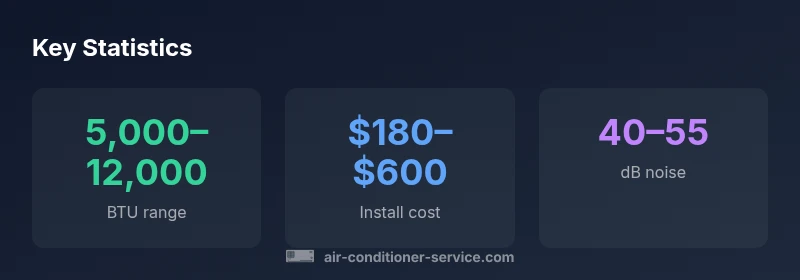
| Window unit | 5000–12000 BTU | 40–55 dB | 30–60 minutes | $180–$600 | Small rooms, renters |
| Portable AC | 8000–14000 BTU | 50–60 dB | 30–90 minutes | $250–$700 | Flexibility, no window mounting |
| Central AC | 24000–60000+ BTU | 40–80 dB | Several hours | $5000–$15000 | Whole-home cooling |
Common Questions
Is a window unit near me the best option for small rooms?
For many small rooms, a window unit can be the most cost-effective and quickest cooling option. It’s important to size the unit correctly and ensure proper installation to maximize comfort and efficiency.
Window units are great for small spaces when properly sized; they’re easy to install and economical for renters.
Do I need professional installation for a window unit?
Most window units are designed for DIY installation, but heavy units or awkward windows may require a professional. Always follow the manufacturer’s instructions and local building codes.
Most people can install a window unit themselves, but get help if your window is tricky or, if in doubt, hire a pro.
How can I compare window units when searching near me?
Compare BTU ranges, energy efficiency (EER/SEER), noise levels, window compatibility, and warranty terms. List model numbers to compare features side-by-side and check for local stock near your location.
Look at size, efficiency, noise, and window fit to compare options easily.
What can I do to reduce energy costs with a window unit?
Choose the properly sized unit, use energy-saving modes, avoid leaving it running when the room is empty, and seal gaps around the window. Consider sequencing multiple smaller units for larger spaces.
Size it right and use energy-saving modes to keep bills in check.
Are window units suitable for apartments?
Yes, window units are commonly used in apartments. Always check building policies and ensure the unit fits your window and window frame. Consider sound levels if you share walls with neighbors.
Many apartments allow window units; just verify window fit and building rules.
“Choosing the right window unit means balancing room size, window compatibility, and comfort, with proper installation and a solid warranty. When in doubt, consult a local professional who understands your space.”
The Essentials
- Assess room size before buying to pick the right BTU
- Prioritize energy efficiency and proper venting
- Check window compatibility and mounting requirements
- Consider installation costs and warranties before purchasing
- Use a professional if you’re unsure about installation