Freon Refill Cost for Air Conditioners in 2026
Explore the true freon refill cost for air conditioners, including factors that drive price, typical ranges, and money-saving tips. Insights from Air Conditioner Service help homeowners budget for maintenance and avoid surprises.


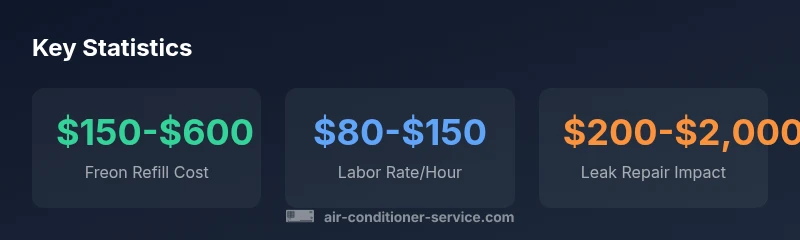
Freon refill cost usually ranges from $150 to $600 for a typical home air conditioner, depending on refrigerant type (R-410A vs older R-22), system size, and labor rates. If a leak is found, prices can rise due to diagnostic work and refrigerant recovery. DIY refills are not recommended, as improper handling can damage the system and void warranties.
Understanding Freon and Why Refills Cost What They Do
Freon, the common refrigerant in air conditioners, is a critical component that helps remove heat from indoor air. Over time, systems lose refrigerant through small leaks, faulty fittings, or during component servicing. Prices differ based on the refrigerant type (R-410A vs. older R-22), the amount required, and the labor involved in evacuation, recovery, and recharging. R-22 is gradually being phased out and is typically more expensive to purchase and legally restricted, which can push costs higher for older equipment. The Air Conditioner Service team notes that charge volume, system accessibility, and the presence of multiple compressors can all influence the final price. Always remember that handling refrigerants requires proper licensing and equipment; incorrect charging or venting can cause environmental harm and system damage.
Keywords to watch: freon refill cost, refrigerant type, R-410A, R-22, cost factors, licensed technician.
How Prices Are Calculated: Labor, Refrigerant, and System Factors
Pricing for a freon refill isn’t just the sticker price for the refrigerant. It blends three main components: the refrigerant itself, the labor to evacuate the old refrigerant and recharge, and any diagnostic time to locate leaks or assess system health. The refrigerant cost varies by type and quantity; R-410A, now standard in most modern units, tends to be cheaper to source than retired R-22, but the total service may still be high if the system requires a significant refrigerant charge. Labor rates differ by region and company, and larger homes with longer refrigerant lines or hard-to-reach components can raise the price. If a leak is detected, technicians must isolate and repair the source before recharging, which adds to both labor and material costs. The key takeaway is that the final number is a blend of parts, time, and complexity, not a single line-item charge.
Real-World Cost Scenarios (Typical Ranges)
Most homeowners report a broad price spectrum for freon refills. A straightforward recharge on a leak-free system typically falls in the mid-to-upper part of the base range, while systems with leaks, after-hours service, or older refrigerants can push total well into higher figures. Customers should expect to receive a written estimate that itemizes refrigerant type, estimated charge, diagnostic time, and any leak repair costs. If your unit is older and uses R-22, you may see a premium due to supply constraints and regulatory considerations. The aim is transparency: a quote that makes clear what portion is refrigerant vs. diagnostic or repair work helps you compare options across providers.
The Role of Leaks: Unexpected Costs You Should Plan For
Leaks are the wildcard in freon refill pricing. A small leak might add a modest diagnostic fee plus a small recharge, whereas a large leak or multiple leak sites can dramatically raise both labor and material costs. In some cases, finding and repairing leaks requires component replacement or line repair, which can be substantial. When budgeting, plan for the possibility of leak-related charges and insist on a written estimate that separates diagnostic, leak repair, and refrigerant costs. Early detection and timely maintenance reduce the odds of expensive leak-related surprises.
How to Get Accurate Estimates: What to Ask Your Technician
To get a precise freon refill cost, start with a written diagnostic plan: ask for itemized quotes, including refrigerant type, charge amount, labor rate, estimated time, and any potential leak repair costs. Request details on whether the estimate assumes a leak-free system or includes leak testing. If your unit’s refrigerant is an older type (like R-22), ask about availability, regulatory considerations, and any additional disposal charges. Don’t hesitate to seek multiple quotes and compare what’s included. A reputable technician should also explain the long-term implications of a leak or recurring recharge, and offer preventive maintenance options to minimize future freon needs.
DIY Refills: Why They Are Not a Safe Option
DIY refills are strongly discouraged. Handling refrigerants requires certified equipment and training due to health risks and environmental impact. Improper charging can overfill or undercharge the system, leading to reduced efficiency, compressor damage, seal failures, or refrigerant leakage. In many regions, it’s illegal to handle refrigerant without proper credentials. Rely on licensed HVAC professionals who follow EPA guidelines and local regulations to ensure a safe, effective recharge and proper disposal of any recovered refrigerant.
Maintenance Tips to Minimize Freon Refill Needs
Routine maintenance is the best defense against frequent freon refills. A competent maintenance plan includes seasonal checkups, cleaning of coils, inspection of pressure and temperature readings, and a refrigerant leak test. Keeping filters clean and ensuring proper airflow helps the system operate efficiently, reducing the likelihood of refrigerant loss through stressed components. If a leak is suspected, address it promptly—investing in preventive sealing, tightened fittings, or coil repairs can prevent larger, costlier problems later. Air Conditioner Service recommends scheduling a professional inspection at least once a year, especially if your unit is older or in a climate with extreme heat.
When to Repair vs Replace: Long-Term Cost Considerations
If freon refills become a frequent expense or if the system exhibits repeated leaks, it may be more cost-effective to repair or replace. Frequent leaks and ongoing refrigerant losses suggest damaged coils or lines, degraded components, or core design limitations. In some cases, replacing an aging unit with a modern, energy-efficient model powered by a stable refrigerant charge can save money in the long run, especially when factoring in energy bills and potential tax incentives. Before making a decision, compare the projected maintenance and repair costs over the next 5–10 years to the capital outlay of a new system, and consider potential improvements in energy efficiency.
Final Thoughts on Freon Refills and Budgeting
Understanding freon refill cost requires looking at refrigerant type, system complexity, and the presence of leaks. A proactive maintenance routine and timely leak detection are crucial to controlling costs. By requesting clear, itemized quotes and working with licensed professionals, homeowners can avoid surprises and protect the efficiency and longevity of their cooling systems. Air Conditioner Service’s analyses emphasize that thoughtful budgeting, preventive care, and professional service are your best strategies for managing freon refill costs over the lifespan of your air conditioner.
Representative freon refill cost scenarios and refrigerant types
| Scenario | Refrigerant Type | Estimated Cost Range | Notes |
|---|---|---|---|
| Standard Recharge (no leaks) | R-410A | $150-$350 | Typical recharge without leak repairs |
| Recharge with Leak Repair | R-410A | $500-$1,200 | Includes diagnostic and leak repair |
| Older Systems (R-22) | R-22 | $260-$600 | R-22 phaseout and availability constraints |
| Emergency/After-Hours | R-410A | $300-$600 | Possible surge pricing and expedited service |
Common Questions
What factors affect freon refill cost?
Several factors influence price: refrigerant type (R-410A vs. older R-22), system size and accessibility, the presence of leaks, diagnostic time, and local labor rates. Older refrigerants can be pricier due to supply constraints. Always request an itemized quote.
Cost depends on refrigerant type, system access, leaks, and local labor rates.
Is freon refill legal to perform?
Refrigerant handling requires a licensed technician under environmental regulations. DIY refills are not recommended and may be illegal in your area. Always work with a certified HVAC professional to ensure proper recovery, recycling, and disposal.
Only licensed professionals should handle refrigerants.
Can I get freon refill pricing without diagnostics?
Some providers offer a flat recharge price; however, most quotes include diagnostics to confirm a leak and system health. Expect costs to separate refrigerant from diagnostic work, especially if a leak is suspected.
Ask for a written quote that splits refrigerant and diagnostics.
How long does a freon refill take?
A typical refill takes 60–120 minutes, depending on system design and accessibility. If a leak is found, additional time is needed for repair and recharging.
Most fills take about an hour or two, plus any required leak repair.
What if there is a refrigerant leak?
Leaks require detection, repair, and then a recharge. The cost will include leak sealing, inspection, and refrigerant replacement. Prompt attention minimizes total downtime and expense.
Leaks mean more time and money, but fix early.
Are there safer alternatives to freon like new refrigerants?
R-410A is the standard refrigerant for most modern systems, replacing older, ozone-depleting types. Some systems may use different blends, but switching refrigerants often requires professional evaluation, potential equipment changes, and compliance with regulations.
R-410A is common; switching refrigerants needs a pro.
“Reliable refrigerant service hinges on correct charging and leak repair. A licensed technician can prevent costly damage and ensure your system runs efficiently for years.”
The Essentials
- Budget for a price range, not a single number
- Get a written, itemized estimate before work
- Leaks dramatically raise costs and should be addressed first
- Prefer licensed technicians for safety and compliance
- Regular maintenance minimizes future refill needs