Which AC Can Be Used in Winter: Practical Heating Guide
Discover which air conditioners can heat your home in winter, how heat pumps work, and practical tips for sizing, installation, and energy efficiency. Practical guidance from Air Conditioner Service.


In winter, the AC that can effectively provide heating is a heat pump or an air conditioner with a reversing valve that operates in heating mode. Cooling-only units require supplemental heating. For very cold climates, select models with auxiliary heat or dual-stage systems. These options optimize efficiency and reliability during cold snaps.
Which AC can be used in winter: practical heating options for homes
According to Air Conditioner Service, the question which ac can be used in winter has a practical answer: only heating-capable units—primarily heat pumps—are designed to provide effective heating in cold weather. If your system is strictly cooling-only, it will struggle to maintain comfortable indoor temperatures as outdoor temperatures fall. For homeowners and renters aiming to stay warm without running electric resistance heaters all day, investing in a heat pump or a cooling system with a built-in heating mode is essential. The key takeaway is that winter comfort depends on the heating capability of the unit, not just its cooling capacity. This is why the majority of winter-ready setups rely on heat pumps or hybrids that combine cooling with heating functions. The Air Conditioner Service team recommends evaluating whether your current unit supports heating operation or if an upgrade is warranted to meet winter comfort goals.
How heat pumps work in winter
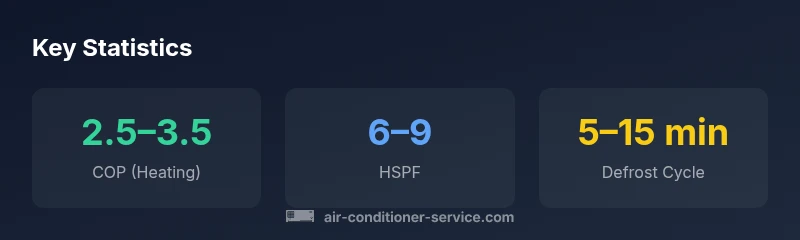
Heat pumps transfer heat rather than generate it by burning fuel. In heating mode, the outdoor coil absorbs heat from the ambient air (even when it feels cold) and transfers it inside via the refrigerant cycle. Modern heat pumps use a reversing valve to switch between heating and cooling, and many units automatically adjust compressor speed for efficiency. In winter, efficiency falls as outdoor temperatures drop, so higher-efficiency models or those with auxiliary electric heat perform better. Proper defrost control is essential to prevent ice buildup on outdoor coils. Regular maintenance ensures the reversing valve and sensors respond correctly to cold-season demands, keeping you warm with lower energy use. The goal is to maximize the unit’s Coefficient of Performance (COP) and Heating Seasonal Performance Factor (HSPF) through correct sizing and seasonal adjustments.
Climate considerations: choosing winter-ready systems
Climate plays a critical role in determining whether a heat pump will meet winter heating needs. In mild-wrost climates, a standard heat pump may suffice with occasional auxiliary heat during peak cold spells. In colder regions, look for cold-climate heat pumps rated for low outdoor temperatures, with enhanced defrost cycles and higher HSPF ratings. If you experience prolonged subfreezing conditions, you might opt for dual fuel setups that pair a heat pump with a gas furnace or electric resistance heat as a backup. For homes with large heating loads, a ducted system or a mini-split with a high-capacity outdoor unit may be more effective. Always verify that your chosen system can operate efficiently at the coldest temperatures you expect, so winters stay comfortable without excessive energy use.
Sizing and installation considerations
Proper sizing is crucial for winter performance. An undersized unit will struggle to reach the thermostat setpoint during cold snaps, while an oversized unit may short-cycle and waste energy. A professional HVAC contractor should perform a Manual J load calculation to determine the correct size, then select a model with suitable COP/HSPF and a robust defrost strategy. Installation details such as refrigerant lines, duct sealing, and outdoor unit placement affect winter performance as much as the refrigerant choice. Ensure proper thermostat integration, zoning (if applicable), and clear outdoor space around the condenser to reduce ice accumulation and airflow restrictions. Regular maintenance, including filter changes and coil cleaning, helps sustain efficiency as temperatures drop.
Alternatives when winter heating needs exceed heat pump capacity
If your climate regularly pushes below the optimal range for heat pumps, you have alternatives. A traditional furnace with ducts paired with a heat pump can still deliver seasonal energy savings, while mini-splits with separate heating zones can target high-usage areas without heating the entire home. Electric resistance heaters can act as a backup, but they are expensive to run compared with heat pumps. Gas furnaces or dual-fuel systems can provide reliable warmth in extreme winter conditions. When considering alternatives, weigh upfront installation costs against long-term operating costs and climate-specific needs.
Maintenance tips to maximize winter performance
Winter maintenance helps heat pumps and air conditioners perform reliably. Keep the outdoor unit clear of snow and debris, ensure proper drainage around the pad, and verify that the thermostat communicates correctly with the outdoor unit. Schedule seasonal inspections to check refrigerant levels, inspect the reversing valve, test defrost controls, and confirm that auxiliary heat elements engage properly. Program the thermostat for efficient operation, use a smart schedule to minimize heat loss, and consider a humidity control strategy to maintain comfort while reducing workload on your heating system.
Energy efficiency and cost considerations in winter
Energy efficiency in winter hinges on the system’s COP/HSPF and how often auxiliary heat runs. Heat pumps typically use electricity more efficiently than electric resistance heat, especially when temperatures are not extremely low. When winter weather is severe, the efficiency gap increases, so choosing a high-efficiency model and maintaining it matters. Consider integrating a programmable or smart thermostat and weatherization improvements (insulation, air sealing) to reduce heat loss. While exact operating costs vary by climate and electricity rates, a well-sized, well-maintained heat pump can offer favorable total costs compared with older, less efficient heating options.
Step-by-step guide to upgrading to a winter-ready setup
- Assess your climate and current system capabilities.
- Have a qualified HVAC professional perform a load calculation (Manual J).
- Compare heat pumps with appropriate COP/HSPF ratings for winter performance.
- Consider auxiliary heat options and reliability features (defrost, backup heat).
- Plan for duct sealing and thermostat integration.
- Schedule seasonal maintenance and performance tests.
- Review warranties and service plans with Air Conditioner Service.
- Monitor energy use and comfort after installation to optimize settings.
How to assess if your current system can be used in winter
Use a simple self-check: confirm that your current unit has a heating mode or is paired with a backup heating system. Inspect outdoor clearance, verify defrost capability, and review the seasonal efficiency ratings. If you find that your unit struggles during cold snaps, consult a licensed technician for an upgrade plan that aligns with your climate and home design.
Comparison of heat pump vs cooling-only air conditioners for winter use
| System Type | Heating Capability | Efficiency Metrics | Climate Suitability | Backup Heating |
|---|---|---|---|---|
| Heat pump (air-source) | Heating and cooling | COP 2.5–3.5; HSPF 6–9 | Cold to moderate climates | Auxiliary heat often recommended |
| Cooling-only AC | Cooling only; no heating mode | N/A (no heating) | Warm to mild climates | Requires separate heat source |
Common Questions
Can a standard air conditioner heat my home in winter?
A standard AC without heating mode will not provide reliable heating. You'd need a heat pump or auxiliary heat. Consider a winter-ready upgrade if cold-season comfort is a priority.
A standard AC alone won’t heat your home reliably. Use a heat pump or add auxiliary heating as needed.
What is a heat pump and how does it work in winter?
A heat pump moves heat from outdoors to indoors using the refrigerant cycle. In heating mode, it extracts heat from outside air and delivers it inside, with efficiency depending on outdoor temperatures.
A heat pump moves heat from outside to inside; it’s designed for winter heating with varying efficiency by temperature.
Do I need auxiliary heat with a heat pump?
Many cold-climate heat pumps use auxiliary electric heat when temperatures dip below a certain point. Check your unit’s specs for backup heat and performance at low temperatures.
Yes, in very cold weather you may need some auxiliary heat with a heat pump.
Can I retrofit my cooling-only AC to heat in winter?
Not with a simple retrofit; you typically need a heat pump upgrade or a separate heating system. A professional assessment can reveal viable upgrade paths.
A simple retrofit won’t add heating capability; upgrading to a heat pump is usually required.
How much does winter operation cost with a heat pump?
Costs vary by climate, electricity rates, and efficiency. Heat pumps are generally more economical than electric resistance heating but quantify locally with a professional assessment.
Costs depend on climate and usage; talk to a local pro to estimate your options.
“Winter heating with an air conditioner isn’t magic; it comes down to choosing the right heat pump, correct sizing, and maintenance.”
The Essentials
- Prioritize a heat pump for winter heating.
- Check COP and HSPF ratings during purchase.
- Ensure proper defrost and backup heat options.
- Consider climate before upgrading.
- Consult Air Conditioner Service for a winter-ready plan.