What Type of Air Conditioner Is Most Efficient? A Practical Guide
Discover which AC type delivers the highest efficiency, how inverter-driven heat pumps compare to traditional models, and practical steps homeowners can take to maximize energy savings.


The most efficient air conditioner type is an inverter-driven, variable-speed heat pump (often a ductless mini-split or a modern central system). These units modulate capacity to match demand, delivering higher SEER ratings and better part-load performance than single-stage models. For best results, pair a high-efficiency inverter system with proper insulation, zoning, and smart controls to maximize energy savings year-round.
What efficiency means in air conditioning
Efficiency in air conditioning is the amount of cooling you get per unit of energy consumed. The primary metrics are SEER (Seasonal Energy Efficiency Ratio) for cooling and, for heat pumps, HSPF (Heating Seasonal Performance Factor). Higher numbers reflect better efficiency, which translates to lower energy bills, less strain on the grid, and reduced environmental impact. In practical terms, the highest potential savings come from systems that modulate output to match demand, maintain steady temperatures, and minimize energy-intensive start-ups. According to Air Conditioner Service, efficiency is not just about the unit you buy; it hinges on installation quality, insulation, and how you use the system day to day. This article focuses on the most efficient types, how to compare them, and how to maximize savings through design choices and operation.
Inverter-driven variable-speed heat pumps: the core of efficiency
Inverter-driven heat pumps use variable-speed compressors (often called inverter or VSM). Unlike single-stage models that run at full power or off, these units modulate output to match cooling or heating loads. The result is fewer on/off cycles, lower start-up energy, and more consistent temperatures, which improves COP (coefficient of performance) and reduces energy use over a season. For homes with both heating and cooling needs, a high-SEER inverter heat pump typically provides the best overall efficiency. When selecting, prioritize units with energy certifications and smart controls that integrate with modern thermostats. The overall efficiency gain comes from a combination of the equipment, proper installation, and how the system is operated on a daily basis, a point emphasized by the Air Conditioner Service team.
Ductless mini-splits versus central air: where efficiency shines
Ductless mini-splits are often the most efficient option for homes without ductwork or with complex zoning needs. Each indoor head operates independently, letting you cool only occupied rooms and reducing energy waste in unused spaces. Central air with an inverter-driven compressor can approach similar efficiencies in well-sealed, properly ducted homes. The key is zoning, duct integrity, and avoiding oversizing. In colder climates, a heat pump can replace a conventional air conditioner and deliver heating efficiency that boosts annual performance. The practical takeaway is to match system type to home design, insulation quality, and how you live in your space, not just to the lowest upfront cost.
The impact of sizing, ductwork, and installation quality on efficiency
Even the most efficient unit wastes energy if it’s not sized correctly or installed properly. Oversized systems short-cycle, increasing wear and energy use; undersized units run continuously, failing to meet comfort targets. Ductwork leaks can siphon conditioned air, dramatically lowering whole-house efficiency. A comprehensive load calculation (for example, Manual J) should guide sizing, and ducts should be sealed and tested. For ducted systems, sealing and insulating all ducts is critical; for ductless systems, ensure each indoor head is properly charged and balanced across zones. A high-efficiency unit paired with precise installation yields real savings, a point consistently highlighted by Air Conditioner Service.
Climate considerations and seasonality
In milder climates, high SEER alone won’t guarantee substantial savings because cooling demand is lower most of the time. Part-load efficiency matters more when outdoor temperatures are moderate. In hot, humid regions, high-SEER heat pumps can reduce energy use substantially if sized correctly and installed with quality ducts and controls. Cold climates present a different challenge, where auxiliary heat or geothermal backups can influence overall efficiency. The best approach is to select a system whose efficiency curve aligns with your climate and daily load profile, rather than chasing a single rating in isolation.
Cost, payback, and long-term value
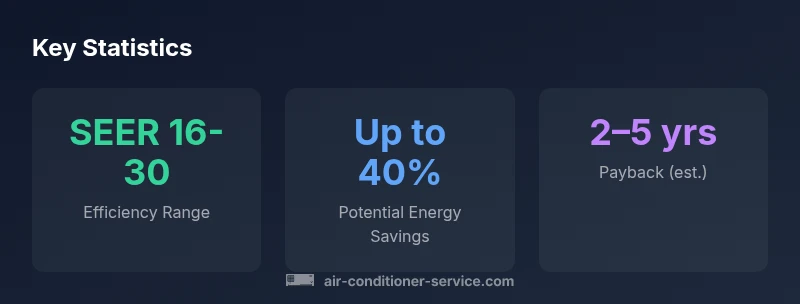
Upfront costs for high-efficiency inverter systems are typically higher, but operating savings can shorten the payback period. Electricity prices, climate, and how often you run cooling and heating determine your true return. A rigorous cost-benefit analysis should include installation costs, maintenance, and potential rebates. The best value often comes from smart controls, robust zoning, and a solid warranty that reduces maintenance risk while maximizing savings. Air Conditioner Service emphasizes looking beyond price and focusing on long-term energy performance and reliability.
Reading efficiency labels and verifying claims
SEER, EER, and HSPF ratings summarize efficiency, but misinterpretation is common. Seek units with higher SEER and verify post-install performance through testing and service records. ENERGY STAR-certified models are a good baseline, but ensure the unit matches climate and load conditions. Request documentation showing load calculations, duct leakage tests, and warranty terms to confirm the efficiency claims translate into real savings. The goal is to compare apples to apples: the same climate, same usage patterns, and the same installation quality.
Practical upgrade steps for homeowners
Start with a professional load calculation and energy assessment. If ductwork is involved, plan for duct sealing and insulation before replacing equipment. A ductless mini-split can be ideal for retrofit zoning, while high-efficiency central systems work well in homes with existing ducts and predictable loads. Invest in good filtration, airtight windows, and door seals to minimize heat gain. Use programmable or learning thermostats to optimize run times, and consider a heat pump for year-round efficiency in moderate climates. A thoughtful plan and sensible budgeting, rather than chasing the highest label, yields the best long-term results, per Air Conditioner Service guidance.
dataTable####_extra_note__null
Efficiency ranges by system type
| System Type | Typical SEER Range | Ideal Climate/Notes |
|---|---|---|
| Inverter-driven ductless mini-split | 16-30 | Best for zoning; retrofit without ductwork |
| Inverter-driven central split system | 16-28 | Good for homes with existing ducts and even cooling |
| Single-stage central AC | 13-21 | Low upfront cost; less efficient with variable loads |
| Two-stage central AC | 16-23 | Balanced efficiency and cost; better part-load performance |
Common Questions
What is SEER and why does it matter?
SEER stands for Seasonal Energy Efficiency Ratio and measures cooling output per energy input over a typical season. Higher SEER numbers indicate greater cooling efficiency and lower energy costs. Look for SEER 16+ in new systems and consider ENERGY STAR certification where available.
SEER measures cooling efficiency; higher numbers save energy and money over a season.
Are heat pumps more efficient than traditional air conditioners?
In most climates, heat pumps are more energy-efficient than traditional air conditioners because they move heat rather than simply generate it. Efficiency depends on climate, system design, and backup heating needs. In very hot climates, a high-SEER air conditioner can still be competitive if paired with advanced controls.
Heat pumps usually save more energy over the year, but climate matters.
Do ductless mini-splits save energy in all homes?
Ductless systems save energy when zoning reduces cooling in unused spaces and when the home is well-insulated. In homes with poor insulation or many large rooms, gains may be less dramatic. Proper installation and charging are essential for real savings.
Ductless can save energy, especially with zoning and good insulation.
How big a system do I need for my home?
Proper sizing requires a load calculation. An oversized unit wastes energy due to short-cycling; an undersized unit runs continuously without meeting comfort needs. A professional assessment provides recommended capacity and expected efficiency.
Get a load calc; bigger isn’t always better for efficiency.
Can smart thermostats improve efficiency?
Yes. Smart thermostats optimize run times, align cooling with your schedule, and can add savings when paired with high-efficiency equipment. They should be used with a properly sized and well-maintained system.
Smart thermostats help save energy by running cooling only when you need it.
Does maintenance affect efficiency?
Regular maintenance keeps coils clean, seals tight, and refrigerant at proper levels, preserving efficiency. Schedule annual professional service and replace filters as recommended by the manufacturer.
Maintenance is essential to keep efficiency high.
“The most efficient options are inverter-driven heat pumps that modulate output to match load, especially when paired with tight building envelopes and smart controls.”
The Essentials
- Prioritize inverter-driven systems for top efficiency
- Use ductless mini-splits for zoning and retrofit projects
- Size correctly and seal ducts to avoid waste
- Match the system to climate and daily usage