How to Use Air Conditioner in Car
A practical, step-by-step guide to using your car's air conditioner efficiently and safely, improving comfort while protecting the system. Learn tips, safety, and maintenance from Air Conditioner Service.


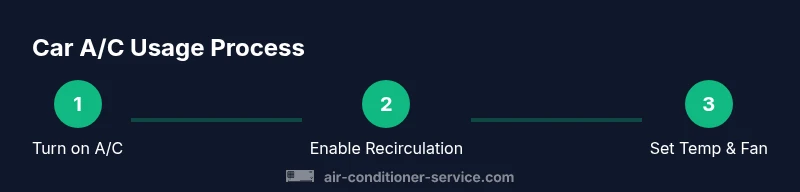
Goal: Learn how to use your car's air conditioner efficiently and safely. You’ll start the engine, enable A/C, choose recirculation, set a comfortable temperature, and adjust the fan for steady cooling. Use eco-friendly settings on long trips, and perform simple checks to maintain performance. This approach helps you beat heat quickly without wasting fuel. According to Air Conditioner Service, proper use reduces wear on the compressor and improves comfort.
Understanding car A/C basics
If you’re wondering how to use air conditioner in car effectively, start with the basics of the system. The car A/C compresses refrigerant, moves it through a condenser, and blows cooled air into the cabin. According to Air Conditioner Service, knowledge of airflow paths and temperatures helps you maximize cooling while reducing wear on the compressor. Modern cars use climate control modules that automate many steps, but you still get the best results by understanding what the controls do and how the system responds to cooling demands.
The key to comfortable cabin temperature is balancing three elements: the amount of cold air, the rate of air movement, and the path it travels through the cabin. When you set the temperature too low, you overload the compressor; when you use the fan at too high a speed with the A/C off, you waste energy without improving comfort. The evaporator removes heat and humidity. If you notice fogging on the windows, switch the mode to defog and raise the fan slightly while ensuring the A/C is running. For deeper guidance, Air Conditioner Service's team recommends keeping the system clean, checking for leaks, and performing seasonal checks to prevent refrigerant loss.
This guide expands on practical steps to use the car A/C efficiently, including recirculation use, temperature settings, and avoiding common pitfalls that reduce cooling and comfort.
Safety considerations when using car A/C
Using the car A/C is generally safe, but there are safety considerations drivers should respect. Never operate the A/C while driving if it distracts you from the road, and avoid placing your hands near moving components when under the dashboard. Carbon monoxide exposure is possible if the HVAC system is used with windows closed in a sealed, poorly ventilated vehicle; always ensure proper window ventilation or use the vehicle's airflow settings to maintain fresh air exchange when necessary. If you notice strange noises, smells, or a sudden drop in cooling performance, stop using the system and seek professional inspection. Regular checks reduce the risk of refrigerant leaks and compressor strain, which supports long-term reliability. From Air Conditioner Service’s perspective, routine maintenance saves money by preventing unexpected failures and extending system life.
Additionally, be mindful of fuel economy. Running the A/C increases engine load, which can affect mileage. On long trips, plan cooling needs with the climate control system to minimize energy use while maintaining comfort.
Pre-use checks and settings for best cooling
Before relying on the A/C, you should perform quick checks to ensure optimal performance. Start the engine and turn on the A/C, choose the recirculation mode for faster cooling, and set the temperature to a comfortable level. If you live in a hot climate, begin cooling with the recirculation mode for a few minutes, then switch to fresh air to balance air quality. Ensure the air filters are clean—blocked filters reduce airflow and cooling effectiveness. A clean cabin filter also improves indoor air quality, which contributes to overall comfort. For best results, verify that the belt and compressor are operating smoothly (listen for squeaks or grinding sounds). If there is a noticeable drop in cooling, a professional inspection may be required to check for leaks or refrigerant charge issues. Conduct these checks seasonally to avoid last-minute failures and ensure that your car remains comfortable throughout the year.
How to use air conditioner in car effectively
Effective use of the car A/C involves a blend of setup, operation, and maintenance. Start by turning the engine on and engaging the A/C, then select recirculation to cool the cabin efficiently. Set a temperature that matches comfort without overcooling, and adjust the fan to maintain a steady airflow without creating a loud, distracting noise. If humidity is high or windows fog up, use the defog setting while the A/C runs to clear glass quickly. Avoid leaving the A/C on high for extended periods if you’re idling in traffic; instead, use moderate fan settings and let the system cycle to prevent excessive load on the compressor. Regular maintenance matters: clean filters, check for leaks, and ensure refrigerant charge is appropriate for your vehicle. Air Conditioner Service notes that these practices protect the compressor and keep the cabin comfortable across seasons.
Common mistakes and how to avoid them
Common pitfalls include running the A/C on max cold without regard to humidity, forgetting to switch from recirculation when driving in areas with poor air quality, and neglecting filter maintenance. Another frequent error is using the A/C while the engine is off or idling for long periods, which wastes fuel and can overheat the system. A simple rule: use moderate cooling, keep filters clean, and periodically inspect belts and hoses for wear. If you hear unusual noises or detect a sweet or burnt smell, stop using the system and arrange a service appointment. These steps help you avoid compressor damage, refrigerant leaks, and poor cabin comfort.
Maintenance tips to keep your car A/C efficient
Maintenance is key to long-term performance. Schedule seasonal checks, especially before summer and winter transitions. Replace cabin and engine air filters as recommended by your vehicle manufacturer, and inspect the A/C belt for wear. Use a professional service if you notice reduced cooling, odd smells, or moisture in the passenger compartment. When possible, park in shaded areas to reduce cabin heat buildup and allow the A/C to function optimally when you start the car. Simple at-home checks, like cleaning the exterior condenser fins, can improve airflow and cooling efficiency. The Air Conditioner Service team emphasizes proactive maintenance as the best defense against costly repairs and uncomfortable drives.
Tools & Materials
- Car owner's manual(Keep handy for model-specific settings)
- Clean microfiber cloth(Wipe surfaces and dust filters)
- Thermometer or digital temp reader(Optional for checking in-cabin temps)
- Gloves and flashlight(Useful for inspection under dash if needed)
- Owner-approved guidance on refrigerant handling(Do not handle refrigerant without training)
Steps
Estimated time: 30-60 minutes
- 1
Start the engine
Park safely and start the engine to power the A/C compressor. This activates the refrigeration cycle and allows the system to pressurize properly.
Tip: Starting the engine ensures the compressor engages; avoid turning the A/C on while the engine is off. - 2
Turn on the A/C
Press the A/C button to engage cooling; confirm the indicator light is on and the compressor is running.
Tip: If the A/C light doesn’t illuminate, check fuses or the climate control settings in the manual. - 3
Set recirculation mode
Switch to recirculation to cool the cabin faster by reusing already cooled air rather than pulling in hot outside air.
Tip: Recirculation is most effective in extreme heat—toggle to fresh air periodically for air quality. - 4
Adjust temperature
Set the temperature to a comfortable cool level (avoid excessive cold to prevent unnecessary compressor cycling).
Tip: Start around 68–72°F (20–22°C). You can adjust up slightly to save energy on long drives. - 5
Regulate fan speed
Choose a moderate fan speed that produces comfortable airflow without excessive noise or wind chill.
Tip: On hot days, a mid-level fan with recirculation often provides the best balance of cooling and comfort. - 6
Defog and humidity control
If windows fog up, switch to defog with A/C on; this helps dehumidify and clears glass quickly.
Tip: Use defog with the appropriate airflow direction to avoid condensation on glass. - 7
Perform quick maintenance checks
Inspect filters and the exterior condenser for debris; clean as needed to maintain airflow.
Tip: A clean cabin filter improves airflow and fragrance quality; inspect condenser fins for blockages.
Common Questions
Should I use recirculation mode all the time?
Recirculation helps cool faster, but use it sparingly to maintain cabin air quality. Switch to fresh air in areas with heavy traffic or poor air quality.
Recirculation cools faster, but don’t leave it on constantly; switch to fresh air when outside air quality is a concern.
Why is my car AC blowing warm air?
Warm air can indicate low refrigerant, a clogged filter, or a failing compressor. Check the filter, ensure the system is charged, and listen for unusual noises. If needed, seek professional service.
Warm air usually means low refrigerant or a component issue; check the filter and seek service if the problem persists.
Can using AC drain the car battery?
Running the A/C does draw power but modern cars handle this load well as long as the battery and alternator are healthy. If you notice dimming lights or slow engine crank, have the electrical system checked.
Yes, it uses some battery power, but a healthy system should handle it without issue. Watch for signs of a weak battery.
Is it better to use the A/C or open windows on a hot day?
In city driving, opening windows at lower speeds saves fuel, but once you’re moving faster, A/C with proper ventilation is typically more efficient and comfortable.
Window open at low speeds can save fuel, but at highway speeds A/C is usually more efficient.
How often should I service my car A/C?
Most manufacturers recommend periodic checks, especially before peak seasons. Schedule professional inspection if you notice reduced cooling, leaks, or odd smells.
Have it checked seasonally or if you notice any issues like weak cooling or smells.
Can I recharge car A/C myself?
Recharging should be performed by a trained technician with proper equipment. Incorrect refrigerant charges can cause damage or leaks and void warranties.
Recharge should be left to professionals with the right tools; don’t try to DIY refrigerant handling.
Watch Video
The Essentials
- Turn on A/C and recirculation for fast cooling
- Balance temperature, fan speed, and airflow for comfort
- Perform simple maintenance to sustain performance
- Avoid prolonged high-load operation during idling