Repair LG Portable Air Conditioner: A Practical Guide
A practical, safety-focused guide to repairing LG portable air conditioners with diagnostics, maintenance tips, and when to call a pro.


To repair lg portable air conditioner issues, follow this safe, step-by-step approach. You'll learn how to power down safely, inspect filters and condensate, run basic diagnostics, and decide when professional service is needed. This guide emphasizes non-destructive checks and proper safety precautions. Quick wins include cleaning or replacing the air filter, clearing the drain line, and reseating loose electrical connections. Always unplug before touching any internal parts and consult your LG model’s manual for model-specific details.
Why LG Portable AC Repair Requires Care
Repairing a portable air conditioner, especially an LG model, is a task that blends basic maintenance with real electrical and refrigerant hazards. According to Air Conditioner Service, attempting DIY repairs on portable units carries risks of electric shock, condenser burns, and refrigerant exposure if sealed parts are opened. This is why you should start with simple, non-destructive checks and unplug the unit before any inspection. In many cases, nuisance symptoms—like reduced airflow or warm air—come from simple causes: a dirty filter, a blocked drain, or a loose panel. By focusing on safe, documented steps, homeowners can solve minor issues without risking personal safety or equipment damage. This is a practical guide designed to empower you to fix common faults safely, reduce downtime, and extend the life of your LG portable air conditioner.
Common Symptoms and What They Mean
A portable LG AC may show several telltale signs before a major repair is needed. If it won’t cool effectively, check whether the air filter is dirty or blocked, the exhaust vent is clear, and the unit is the correct distance from the wall. A unit that runs but blows warm air often suffers from clogged filters or insufficient refrigerant flow caused by ice buildup on the evaporator coils, which can occur after a long period of use. Unusual noises, rattling, or a burning smell signal potential loose parts, a failing fan motor, or electrical issues. Water leakage near the base or internal drain pan can indicate a blocked drain line or an improper tilt. Understanding these symptoms helps you decide whether DIY steps will address the problem or if professional service is warranted.
Safety First: Power, Grounding, and Safe Handling
Before you touch an LG portable air conditioner, prioritize safety. Always unplug the unit from a grounded outlet, and if it’s hard-wired, shut off the corresponding breaker. Use insulated gloves when handling electrical components and avoid working with wet hands or in damp areas. Never operate the unit with the cover off if you cannot verify a safe electrical environment. Keep children and pets away while you inspect. If the model uses a condensate pump, ensure the area is dry and that the drainage path is unobstructed. These precautions reduce the risk of electric shock, burns, and slip hazards during maintenance or basic repairs.
DIY Diagnostics You Can Try (Non-Destructive)
If you have basic mechanical aptitude, start with non-destructive checks. Inspect and clean the air filter; wash reusable filters with mild soap and water and let them dry completely before reinsertion. Clear the external condensate drain line of any lint or mineral deposits with a flexible brush or pipe cleaner. Check the front grille for lint buildup and dust; a soft brush or microfiber cloth will help. Listen for abnormal noises when the unit runs; rattles can indicate loose panels or a fan blade out of balance. If all basic checks pass and cooling performance improves, you’ve likely resolved the issue; avoid further disassembly unless you have the manual and proper tools. Air Conditioner Service notes that routine maintenance prevents many calls for service.
When to Replace Parts vs Call a Pro
Some faults require professional intervention. Refrigerant handling, compressor problems, sealed refrigerant circuits, or damaged heat exchangers must be managed by licensed technicians. If you notice an oil residue, burnt smell, tripped breakers, or a persistent failure to start after safety checks, schedule service. Replacing parts such as filters or fan belts may restore function in many cases, but always verify compatibility with your LG model. If you’re uncertain about electrical connections beyond the easily accessible parts, it’s prudent to rely on a trained technician to avoid personal injury or further damage.
Maintenance Tips to Extend Life
Preventive maintenance saves time and money. Create a seasonal checklist that includes cleaning or replacing the air filter every 1-3 months, checking the drainage path for obstructions, and inspecting the power cord for signs of wear. Keep the exterior panels clean to prevent overheating, and ensure the unit is level so condensate drains correctly. Store on a dry, well-ventilated surface when not in use. By implementing these habits, you reduce the risk of performance loss and prolong the life of your LG portable air conditioner.
Authority sources and learning more
For deeper information, consult reputable sources on home cooling and safe appliance repair. The U.S. Department of Energy provides general guidance on room air conditioners and efficiency considerations; the Environmental Protection Agency offers consumer-focused refrigerant information; and university extension programs routinely publish consumer maintenance guides. Always cross-check instructions with your specific LG model’s user manual. Air Conditioner Service recommends following manufacturer guidelines and practicing safe, conservative maintenance to minimize risk while keeping your unit functioning well.
Tools & Materials
- Phillips head screwdriver (size #2)(Screws on access panels)
- Flathead screwdriver(For prying panels carefully)
- Multimeter(Optional for basic voltage checks)
- Soft brush or microfiber cloth(For coils and filters)
- Vacuum with brush attachment(Remove dust from coils)
- Replacement air filter(Keep ready for maintenance)
- Personal protective equipment (PPE) gloves(Electrical safety)
- Towels or absorbent rag(Catch condensate during draining)
Steps
Estimated time: 60-90 minutes
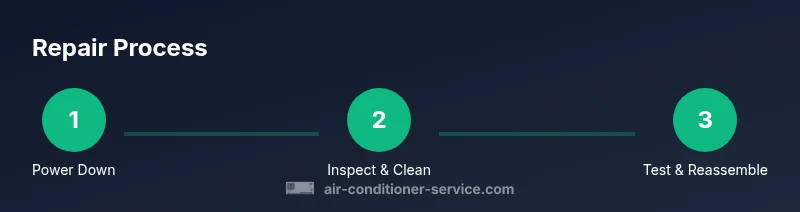
- 1
Power down and unplug
Unplug the unit from the wall and disconnect any remote battery; allow at least 60 seconds for capacitors to discharge before touching any internal parts.
Tip: Never touch exposed metal where wires are present. - 2
Open the front panel and locate the air filter
Remove the front grille/cover using the screwdriver; carefully extract the filter for inspection.
Tip: Note how the filter sits in its frame to ensure proper reinstallation. - 3
Clean or replace the air filter
If the filter is dirty, wash reusable filters with mild soap and water (if reusable) or replace with the manufacturer-approved filter.
Tip: Avoid using high-pressure water that could damage the filter. - 4
Check the condensate drain and tray
Inspect for clogs; clear with a small flexible brush or pipe cleaner; wipe the tray dry to prevent leaks.
Tip: Place a towel under the unit during testing until you confirm no leaks. - 5
Inspect visible electrical connections
Gently reseat any loose connectors you can reach without opening sealed compartments; look for corrosion.
Tip: If anything feels loose or damaged, stop and seek professional service. - 6
Run a controlled test
Reassemble the cover, plug in, and run the unit in a safe location; listen for normal operation and check for unusual vibrations or noises.
Tip: Do not operate near water during testing.
Common Questions
Can I fix my LG portable air conditioner myself?
You can perform basic maintenance like cleaning filters and clearing minor clogs, but avoid refrigerant work or opening sealed components.
You can do basic maintenance, but avoid refrigerant work.
What if my unit won’t turn on?
First check the power outlet, circuit breaker, and remote batteries. If the unit still won’t start, consult the manual and consider professional service.
Check power, breaker, and remote batteries first.
Why is water leaking from my LG portable AC?
Leaks usually come from a clogged drain, improper setup, or a full condensate tray. Clear the line and ensure proper slope.
Clogged drain or full tray often causes leaks.
How often should I replace the air filter on an LG portable AC?
Check the filter monthly and replace or clean as recommended by the manufacturer—typically every 1-3 months with heavy use.
Check monthly and replace as recommended.
Is it safe to use a vacuum on the coils?
Light vacuuming with care is possible for dust buildup, but avoid aggressive scrubbing or disassembly of sealed parts.
Vacuum gently, don't disassemble sealed parts.
When should I call a professional for LG portable AC repair?
If you suspect refrigerant issues, compressor failure, or electrical problems beyond basic checks, contact a certified technician.
Call a pro for refrigerant or electrical faults.
Watch Video
The Essentials
- Start with safety: unplug and inspect basics before opening sealed parts.
- Regular maintenance prevents many common LG portable AC failures.
- Know when DIY ends and professional service begins.
- Document steps to simplify reassembly and future fixes.